
If you're heading to Morocco for the Africa Cup of Nations 2025, you're in for more than just incredible football. This North African gem offers a journey that will leave you speechless, and I'm here to share the perfect one week Morocco itinerary CAN 2025 fans can follow between matches.
After years of exploring every corner of this country, I've mapped out a route that captures Morocco's soul without rushing. Whether you're here for the tournament or just using it as an excuse to finally visit, this week-long adventure will show you why Morocco steals hearts.
Day 1-2: Casablanca – Where Modern Morocco Meets the Atlantic
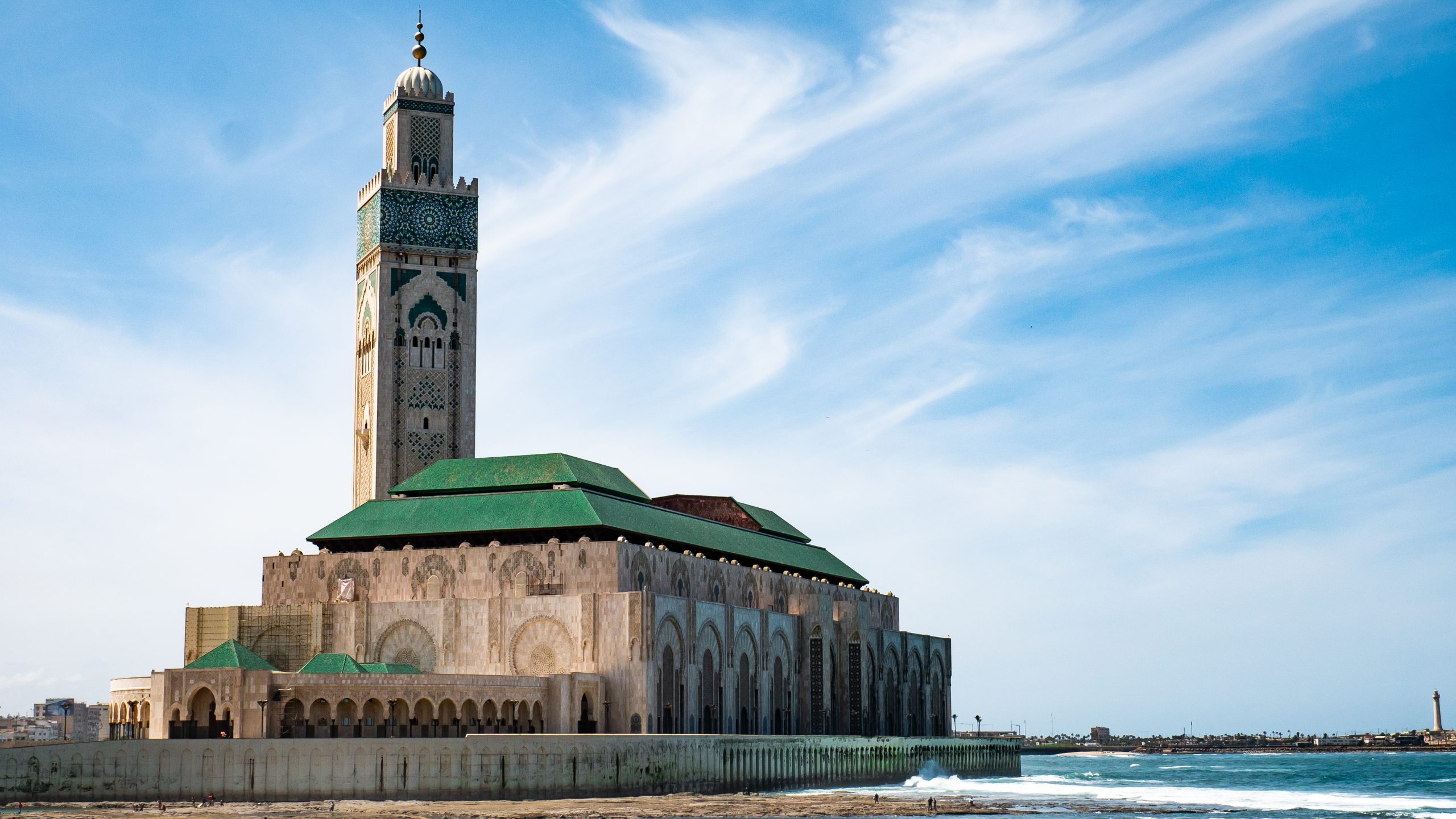
Your Moroccan adventure begins in Casablanca, or as locals call it, "Casa Blanca." This isn't just Morocco's economic capital—it's where you'll see the country's European influences blend beautifully with Moroccan tradition.
Hassan II Mosque: An Architectural Wonder
Start your journey at the Hassan II Mosque, and trust me when I say this: arrive early. The mosque sits right on the Atlantic Ocean, and watching the morning light hit its minaret is something I never tire of. This is one of the few mosques in Morocco that non-Muslims can enter, and you should absolutely take that opportunity.
The craftsmanship here tells you everything about Moroccan attention to detail. The intricate tilework, carved cedar ceilings, and marble floors were created by thousands of Moroccan artisans. When I first visited, I spent three hours just looking up at the ceilings.
The Corniche: Casablanca's Coastal Charm
After the mosque, head to the Corniche for a walk along the waterfront. The sea breeze, palm trees, and the mix of old and new Casablanca create a perfect afternoon atmosphere. This is where Casablancans come to relax, and you should do the same.
Your First Moroccan Tagine
For dinner, find a local restaurant and order a heavy Moroccan tagine. My recommendation? Lamb with prunes and almonds. The slow-cooked meat falls off the bone, and the sweet-savory combination is purely Moroccan. Pair it with fresh Moroccan bread for scooping up every bit of sauce.
Day 3-4: Marrakech – The Red City That Never Sleeps
On your second day, catch the train to Marrakech. This journey itself is worth the price—you'll watch Morocco's landscape transform from coastal plains to the approaching Atlas Mountains.
The Journey to the Red City
The train ride takes about three hours, and I always recommend sitting on the left side. The greenery along the route surprises most visitors who expect Morocco to be all desert. You'll pass olive groves, orange orchards, and small villages that seem frozen in time.
When you arrive in Marrakech, the city's energy hits you immediately. The red clay buildings that give the city its nickname glow in the afternoon sun, and the distant snow-capped Atlas Mountains create a backdrop that seems almost unreal.
Jemaa el-Fna: Morocco's Beating Heart
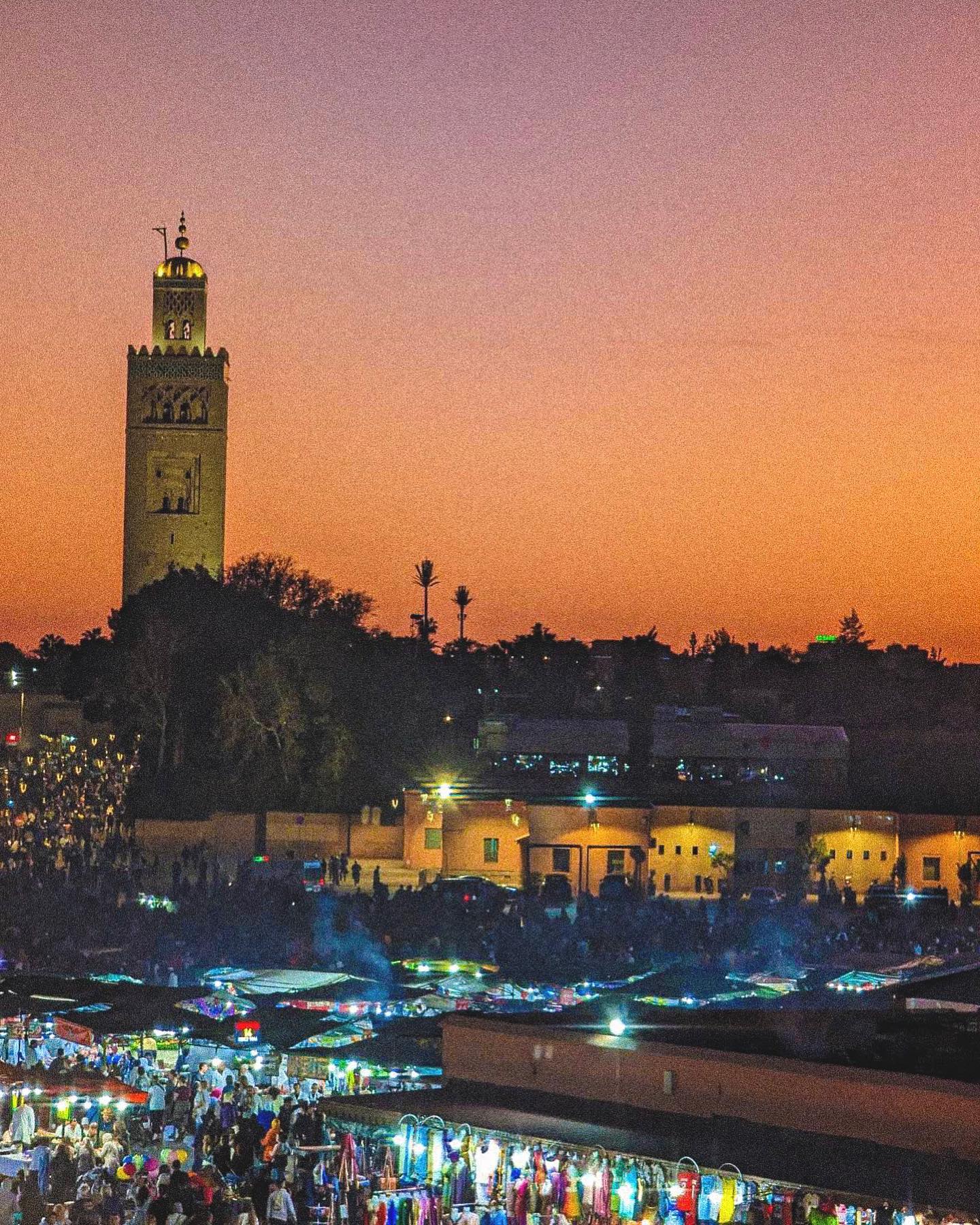
Head straight to Jemaa el-Fna square. This UNESCO World Heritage site becomes more alive as the sun sets. Snake charmers, storytellers, musicians, and food stalls create a sensory experience that's uniquely Moroccan. The smoke from grills, the sound of drums, the calls of orange juice vendors—it's organized chaos at its finest.
Grab a fresh orange juice from one of the stalls (they're everywhere and cost about 4 dirhams). Then just wander and take it all in.
The Ancient Souks
Behind Jemaa el-Fna lie Marrakech's famous souks. These covered markets will remind you of Khan el-Khalili in Cairo if you've been there, but with a distinctly Moroccan flavor. Leather goods, spices, carpets, lanterns—the variety is overwhelming.
A tip from experience: the artisans in these souks have been perfecting their crafts for generations. That leather bag you're looking at? Someone likely spent days making it by hand. Bargaining is expected, but remember you're dealing with master craftspeople, not factory outlets.
Spend your evening at one of the rooftop restaurants overlooking the square. Watching sunset over Marrakech while sipping mint tea is a moment you'll replay in your mind for years.
Day 5-6: Chefchaouen – The Blue Pearl of Morocco
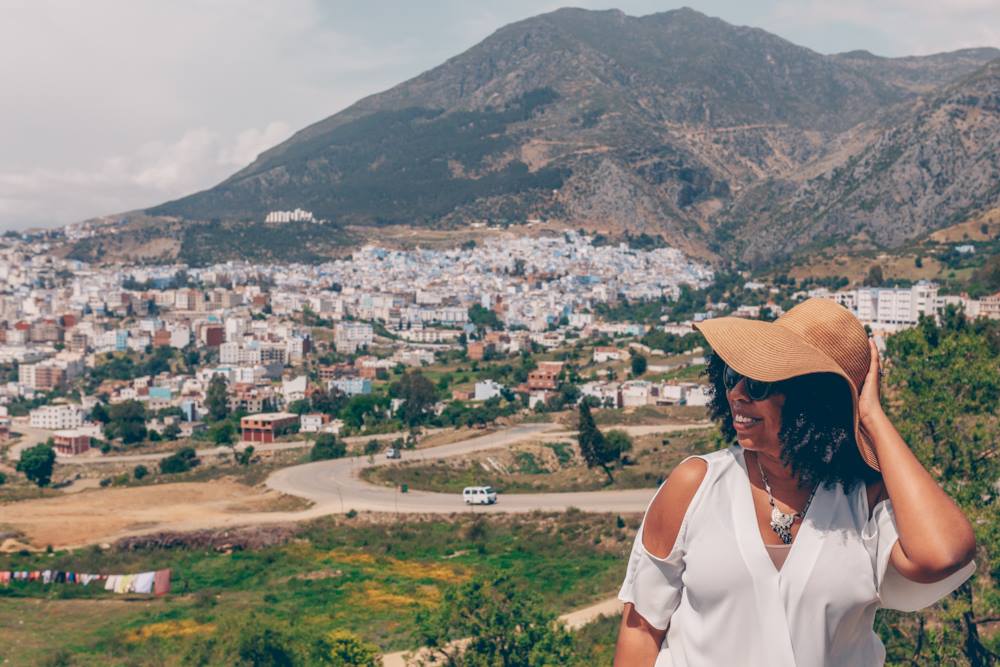
Next, make your way to Chefchaouen, the blue city you've definitely seen on social media. But photos don't capture what it feels like to walk these streets.
Why Everything is Blue
First-time visitors always ask: why is everything painted blue? The tradition started with Jewish refugees in the 1930s who believed blue symbolized heaven and served as a reminder of God's power. Today, residents maintain the tradition, repainting their homes in various shades of blue.
The Spanish Mosque Viewpoint
The best view of Chefchaouen comes from the Spanish Mosque, perched on a hill overlooking the medina. The hike takes about 20 minutes, and I recommend going just before sunset. From up there, the entire blue medina spreads below you, tucked into the Rif Mountains.
On my last visit, I met an elderly man at the mosque who'd lived in Chefchaouen his entire life. He told me that no matter how many tourists visit, the city never loses its peaceful soul. Walking back down as the call to prayer echoed through the mountains, I understood exactly what he meant.
Getting Lost in the Blue Streets
In Chefchaouen, getting lost is the whole point. Unlike Marrakech's bustling souks, Chefchaouen's medina feels intimate and calm. Every corner offers a new photo opportunity, but try putting your phone down for a while. Notice the hand-painted doorways, the cascading bougainvillea, the cats sleeping in patches of sunlight.
The locals here are among the friendliest I've encountered anywhere in Morocco. A simple "Salam" opens doors to genuine conversations and recommendations you won't find in any guidebook.
Day 7: Tangier – Where Africa Meets Europe
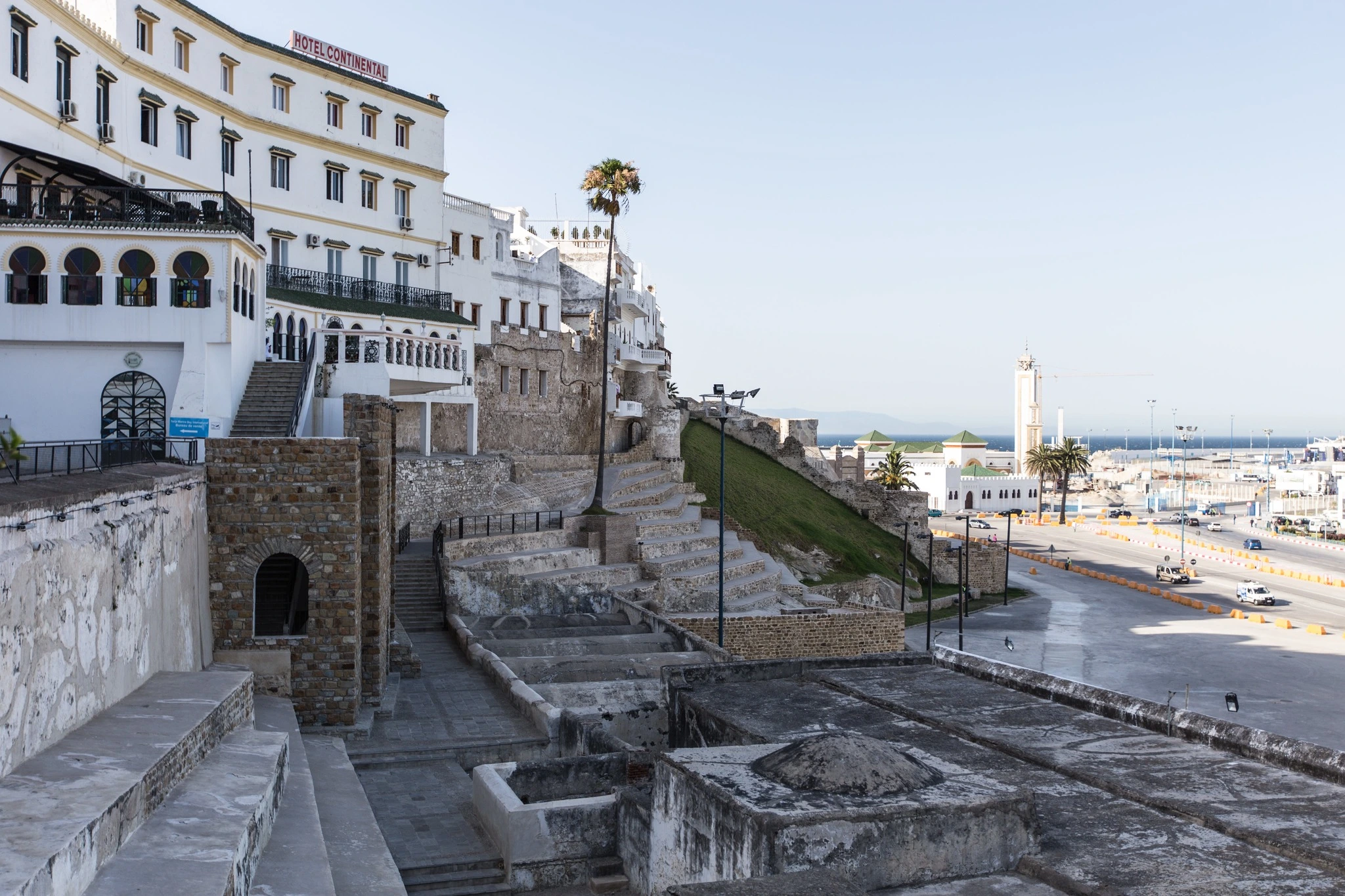
Your final stop is Tangier, the city that sits at the crossroads of continents. From Chefchaouen, it's about a two-hour drive through beautiful mountain landscapes.
Tangier's Café Culture
Tangier has always been a city of cafés, and its café culture rivals any European city. Find a spot along the waterfront, order a Moroccan mint tea (try it with pine nuts if they offer it), and watch the Strait of Gibraltar.
On clear days, you can see Spain across the water. This geographical position has made Tangier a meeting point of cultures for centuries—Phoenicians, Romans, Portuguese, Spanish, French, and Moroccans have all left their mark.
The Final Moroccan Meal
Before heading to the airport, have one last proper Moroccan meal. In Tangier, try the fresh seafood tagine—the Atlantic fish here is incredible. Or stick with the classics: chicken with preserved lemons and olives never disappoints.
Practical Tips for Your Week in Morocco
Transportation Between Cities
Trains connect Casablanca and Marrakech efficiently and comfortably. For Chefchaouen and Tangier, you'll need either buses (CTM is reliable) or shared taxis. Shared taxis are faster but leave only when full—usually that means squeezing seven people into a car meant for five. It's part of the experience!
Budget Considerations
Morocco offers incredible value, but prices vary significantly. Budget around $30-50 per day for decent accommodation, $15-25 for food, and $20-40 for transportation between cities. The biggest expense? Probably all the souvenirs you'll want to buy.
Cultural Awareness
Morocco is a Muslim country, and showing respect for local customs enriches your experience. Dress modestly when visiting religious sites—shoulders and knees covered is the general rule. During prayer times, you'll hear the call to prayer five times daily. It's beautiful, not disruptive.
Learn a few Arabic phrases. "Shukran" (thank you), "Salam" (hello/peace), and "Inshallah" (God willing) go a long way. Most Moroccans appreciate even the smallest effort to speak their language.
What to Pack
Layers! Morocco's weather varies dramatically. Marrakech might be warm during the day but cool at night. Chefchaouen in the mountains can be chilly. Comfortable walking shoes are essential—Morocco's medinas are made for wandering, and you'll do plenty of it.
Beyond the Itinerary
This one-week route barely scratches the surface of Morocco. I didn't mention the Sahara Desert (because you need at least three extra days), the Roman ruins of Volubilis, the imperial cities of Fes and Meknes, or the coastal towns of Essaouira and Agadir.
Consider this your introduction to Morocco, not a comprehensive tour. The country has a way of calling you back, and I guarantee you'll start planning your return trip before your plane even takes off.
Join the Conversation
Have you been to Morocco before? Are you planning to visit for CAN 2025? I'd love to hear about your experiences or answer any questions about this itinerary. Drop a comment below and let's talk about this incredible country.
If you're looking for more specific guides about any of these cities, I've written detailed posts about Marrakech's hidden gems, the best restaurants in Casablanca, and photography tips for Chefchaouen that dive much deeper into each destination.
Safe travels, and may your Moroccan adventure be everything you hope for. The kingdom is waiting!