
When I first moved to Morocco, I was quickly introduced to what locals consider an essential wellness ritual – the hammam visit. At the heart of this experience lies a mysterious olive-based substance that has transformed my skincare routine forever. The benefits of Moroccan black soap extend far beyond ordinary cleansing, offering travelers an authentic glimpse into centuries-old Moroccan beauty traditions. This jelly-like substance, locally known as "savon beldi," isn't just a souvenir – it's a cultural immersion that brings the essence of Moroccan self-care back home with you. As I guide visitors through Morocco's medinas, I always recommend experiencing Moroccan black soap for exfoliation in a traditional hammam setting before purchasing some to take home.
Let me share how this ancient wellness practice became a highlight of my Moroccan cultural exploration, and how you can incorporate it into your own travel experience and daily routine.
What Is Moroccan Black Soap?
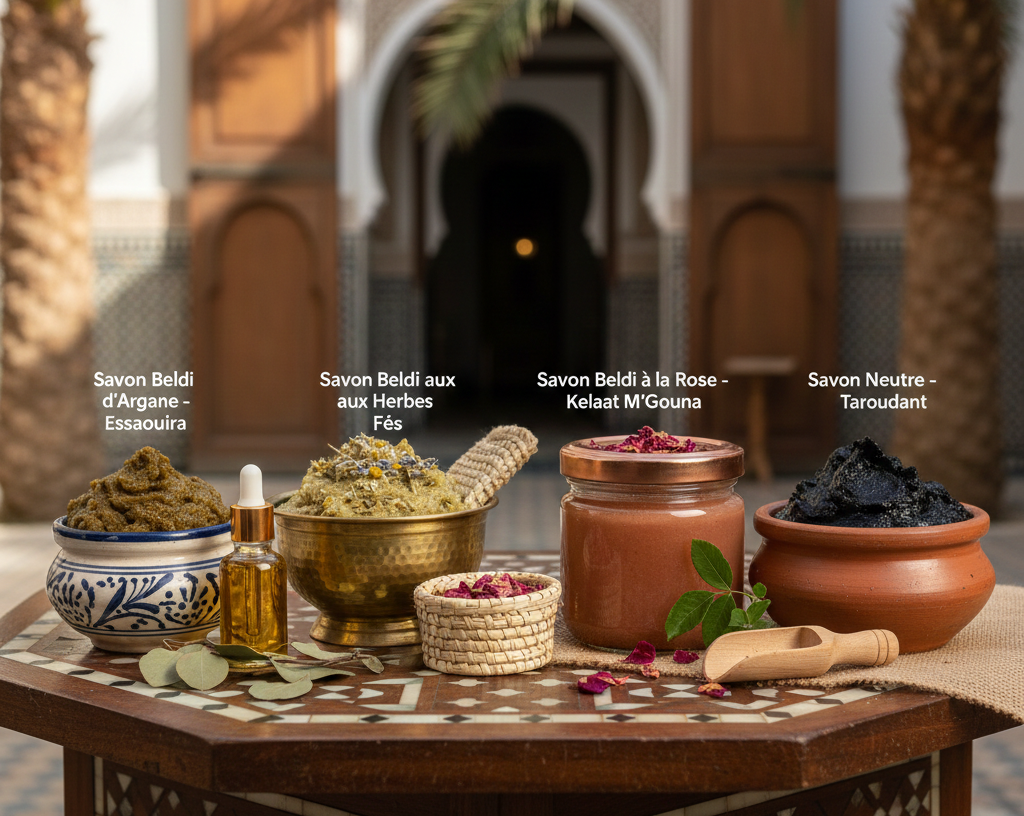
Before we dive into application methods, it's important to understand what makes this product so special. Unlike Western soaps, authentic Moroccan black soap isn't actually soap in the traditional sense. It's made from saponified olive oil mixed with crushed olives and macerated in salt and potash (potassium hydroxide). The result is a brownish-green, gel-like substance with a distinctive earthy scent.
This natural product has been part of Moroccan heritage for centuries, particularly within Amazigh (Berber) wellness traditions. You'll find it sold in every medina across Morocco, from Marrakech to Fez, often alongside other natural beauty products like rhassoul clay and argan oil.
The Step-by-Step Hammam Experience with Moroccan Black Soap
Experiencing the benefits of Moroccan black soap in an authentic setting involves a ritual that has remained largely unchanged for generations. Here's how to use it properly, whether at a traditional hammam in Morocco or recreating the experience at home:
1. Preparation
Begin by finding a reputable hammam if you're in Morocco. For travelers seeking authentic experiences, I recommend asking your riad host or hotel concierge for local recommendations rather than tourist-oriented spas. The most authentic hammams are often unassuming neighborhood establishments where locals go.
If recreating at home:
- Set your bathroom to be warm and steamy
- Prepare hot (not scalding) water
- Gather your black soap, kessa glove (the special exfoliation mitt), and a large bowl or bucket
2. Initial Cleansing
In a traditional hammam, you'll first spend 10-15 minutes in a steam room to open your pores. This essential step prepares your skin for the Moroccan black soap exfoliation process that follows.
At home, take a warm shower or soak in a steamy bathroom for similar effects.
3. Applying the Black Soap
- Scoop a tablespoon of the soap (more for full-body application)
- Apply it to damp (not dripping wet) skin
- Spread evenly across your body, avoiding the face for first-timers
- Allow it to sit for 5-10 minutes while you relax in the steam
In authentic Moroccan hammams, an attendant called a "tellak" might apply the soap for you. Don't be surprised by the vigorous application – it's part of the experience!
4. The Exfoliation Process
This is where the magic happens:
- Using a kessa glove (the special exfoliation mitt), begin scrubbing in circular motions
- Start from your extremities and work toward your heart
- Apply firm pressure but stop if it becomes painful
- Marvel as rolls of dead skin (called "gommage") appear
- Rinse thoroughly with warm water
When experiencing Moroccan black soap for exfoliation in an authentic hammam, be prepared for a thorough scrubbing that might feel intense but leaves your skin incredibly renewed.
5. Final Rinse and Moisturizing
- Rinse completely with clean water
- Follow with a cool water rinse to close pores
- Apply argan oil or a natural moisturizer to seal in hydration
Tips for Maximum Benefits from Your Moroccan Black Soap Experience
After countless hammam visits across Morocco, from bustling Marrakech to the laid-back coastal town of Essaouira, I've gathered some insights to help you make the most of this cultural experience:
1. Shop wisely: Purchase your soap from reputable sources in the medina. Quality black soap should feel smooth, not gritty, and have a mild olive scent. Ask for "savon beldi" and look for natural variations without artificial fragrances.
2. Frequency matters: Limit black soap exfoliation to once weekly, as overuse can strip the skin's natural oils.
3. Respect cultural norms: In traditional hammams, Moroccans bathe in undergarments or naked, with strict gender separation. Tourist hammams often provide disposable underwear and may have different protocols.
4. Hydration is key: Drink plenty of water before and after your hammam experience, as the steam room can be dehydrating.
5. Experience variations: Different regions of Morocco offer subtle variations. In the Atlas Mountains, Amazigh communities sometimes add local herbs, while coastal areas might incorporate sea minerals.
6. Pack properly: If bringing Moroccan black soap home, store it in a sealed container to maintain its consistency and prevent drying out.
Alternative Methods and Regional Variations
While the traditional hammam experience represents the authentic way to enjoy the benefits of Moroccan black soap, there are regional variations worth exploring during your Moroccan journey:
The Amazigh Mountain Method
In the High Atlas Mountains, particularly around Ourika Valley and Imlil, Amazigh communities sometimes enhance their black soap with local herbs like thyme and rosemary. These additions provide extra antiseptic properties and unique fragrances that reflect the biodiversity of the mountain regions.
Coastal Adaptations
In coastal cities like Essaouira and Agadir, some local producers incorporate sea minerals or seaweed into their black soap formulations, adding trace minerals that benefit the skin. These variations reflect Morocco's diverse landscapes and regional beauty traditions.
Modern Spa Interpretations
Luxury hotels in Marrakech, Rabat, and Casablanca often offer contemporary interpretations of the hammam ritual. These may include aromatherapy elements or fusion techniques that combine traditional Moroccan black soap exfoliation with international spa practices. While less authentic, they provide a gentler introduction for travelers hesitant about traditional hammams.
At-Home Simplified Version
When back home, you can create a simplified version:
- Apply in a hot shower after 5 minutes of steam
- Use a regular washcloth if you don't have a kessa mitt
- Leave on for just 3-5 minutes before scrubbing
- Focus on rough areas like elbows, knees and feet
Bringing Morocco's Wellness Tradition Home
The benefits of Moroccan black soap extend far beyond its immediate exfoliating properties. As a traveler in Morocco, partaking in this ritual connects you with centuries of wellness tradition and offers insight into everyday Moroccan life that typical sightseeing cannot provide. Beyond the silky-smooth skin you'll enjoy, it's the cultural context that makes this experience truly meaningful.
When you return home with your jar of black soap, each use becomes a sensory journey back to Morocco – perhaps recalling the echoing sounds of a Marrakech hammam, the scent of mint tea that often follows the ritual, or the incredible lightness you felt walking back through the medina afterward.
I've found that Moroccan black soap for exfoliation remains one of the most authentic souvenirs you can bring back from your travels. It transforms an ordinary shower into a mindful ritual, a moment to reconnect with travel memories and practice self-care in a way that honors Morocco's rich heritage of natural wellness.
Have you experienced a traditional hammam in Morocco? Or perhaps you've tried incorporating black soap into your routine at home? I'd love to hear about your experiences in the comments below. And if you're planning a trip to Morocco and have questions about finding authentic hammams or purchasing quality black soap, feel free to ask!
Note: If you have sensitive skin or skin conditions, consider consulting with a dermatologist before trying Moroccan black soap, or test on a small area first.