
My first encounter with beldi black soap Moroccan tradition happened in a small hammam tucked away in Fez's ancient medina. As steam filled the dim room and the scent of eucalyptus hung in the air, the hammam attendant handed me a small clay bowl containing what looked like dark olive jam. Little did I know this mysterious substance would become one of my favorite Moroccan souvenirs and skincare staples. The traditional Moroccan beldi soap, made from olive oil, potash, and essential oils, has been part of Moroccan bathing rituals for centuries, and experiencing it firsthand offers a window into the country's rich cultural heritage and wellness traditions.
As your unofficial Morocco travel guide, I'm excited to share everything about this ancient beauty secret that continues to captivate visitors and locals alike. Let's dive into the wonderful world of black soap and discover how it represents Morocco's commitment to natural wellness and time-honored traditions.
What Is Beldi Black Soap and Why It Matters
Before we get to the hammam experience, it's important to understand what makes this product special. Traditional beldi black soap Moroccan artisans create is entirely different from the commercial "black soaps" you might find elsewhere. This soft, gel-like substance is made primarily from macerated olives and olive oil mixed with potassium hydroxide. The resulting product is rich in vitamin E and has natural exfoliating properties.
What makes it uniquely Moroccan is how it's integrated into the hammam ritual - a cultural practice that blends cleanliness, community, and self-care in a way that reflects Morocco's mixed Amazigh, Arab, and Andalusian heritage.
Step-by-Step Guide to Using Beldi Black Soap in a Traditional Hammam
Whether you're visiting a public hammam in Marrakech or treating yourself to a luxury spa experience, here's how to properly experience the Moroccan beldi soap ritual:
1. Prepare for the Hammam
- Bring the essentials: A change of clothes, towel, flip-flops, and your own kessa (exfoliation glove) if you prefer
- Arrive hydrated: The hammam is hot and you'll sweat profusely
- Know the etiquette: In traditional public hammams, women typically wear underwear bottoms while men wear shorts
2. The Warming Stage
- Enter the hot room and sit for 10-15 minutes
- Allow your pores to open in the steam
- Rinse your body with warm water to prepare your skin
3. Apply the Beldi Black Soap
- Take a small amount (about 1-2 tablespoons) of the beldi black soap Moroccan hammams provide
- Gently spread it all over your body, avoiding the face
- Let it sit for 5-10 minutes while your body continues to sweat
- This allows the soap's olive oil to soften your skin and dissolve impurities
4. The Exfoliation Process
- An attendant (or yourself) will use a kessa glove in vigorous circular motions
- You'll be amazed (and perhaps slightly horrified) by the amount of dead skin that rolls off
- This deep exfoliation is what leaves your skin incredibly soft afterward
5. Rinse and Relax
- Thoroughly rinse with warm water
- Apply rhassoul clay mask if desired (another Moroccan natural beauty treatment)
- Relax and rehydrate after the treatment
Tips for Getting the Most from Your Beldi Soap Experience
Finding Authentic Products
Not all black soaps are created equal. Here's how to spot genuine Moroccan beldi soap:
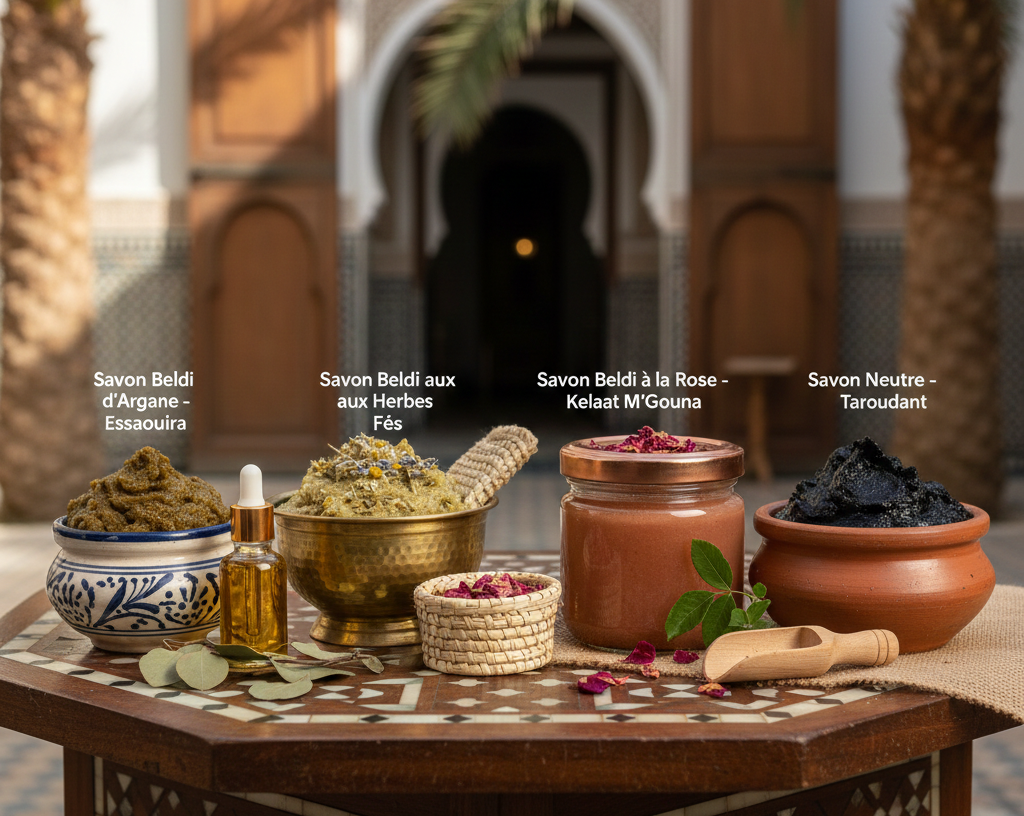
- Texture: Should be soft and paste-like, not hard like regular soap
- Color: Ranges from brownish-green to black depending on olive ripeness
- Scent: Traditional varieties smell like olives with hints of eucalyptus
- Ingredients: Simple list with olive oil as the primary component
- Purchase locations: Buy from cooperatives, local markets, or reputable spas rather than tourist shops
Choosing Scent Varieties
While eucalyptus is traditional, you might also find:
- Rose: Particularly popular in Marrakech and the Rose Valley region
- Orange blossom: Common in northern Morocco
- Argan: A specialty of the Souss region
- Mint: Refreshing and invigorating
Using Beldi Soap at Home
If you're not able to visit a traditional hammam, you can recreate a simplified experience at home:
- Create steam by running a hot shower
- Apply the soap and wait 10 minutes
- Use a kessa glove or loofah for exfoliation
- Finish with a moisturizer, preferably argan oil for an authentic touch
Alternative Methods and Regional Variations
Morocco's diverse cultural landscape means hammam practices vary across regions:
Regional Hammam Differences
- Fez: Known for more traditional, no-frills hammam experiences
- Marrakech: Famous for luxury spa-style hammams with additional treatments
- Mountain communities: Often include local herbs like thyme and rosemary
- Coastal areas: Might incorporate sea salt and marine elements
Beyond the Hammam: Other Uses
The versatility of beldi soap extends beyond the hammam ritual:
- Hair treatment: Some Moroccans use it as a natural hair mask
- Face mask: When diluted and applied briefly
- Hand treatment: Particularly beneficial for hardworking hands
- Foot care: Combined with pumice stone for foot exfoliation
Contemporary Wellness Adaptations
Modern Moroccan spas have evolved the traditional hammam to include:
- Aromatherapy combinations
- Extended massage treatments
- Fusion techniques that incorporate international wellness practices
- Express versions for time-constrained travelers
Beldi Soap: A Window into Moroccan Cultural Heritage
The hammam tradition with beldi black soap Moroccan culture has preserved for centuries is more than just a bathing ritual. It represents the Moroccan approach to wellness that values:
- Community connection: Traditional hammams are social spaces where news is exchanged and relationships maintained
- Sustainable practices: Using natural, locally-sourced ingredients
- Intergenerational knowledge: Techniques passed down through families
- Cultural fusion: Reflecting Morocco's position as a crossroads of civilizations
For travelers, participating in this ritual offers an authentic glimpse into Moroccan life that goes beyond the typical tourist experience. As you plan your Morocco itinerary, I highly recommend including a traditional hammam experience alongside visits to medinas, desert excursions, and mountain treks.
Bringing a Piece of Morocco Home
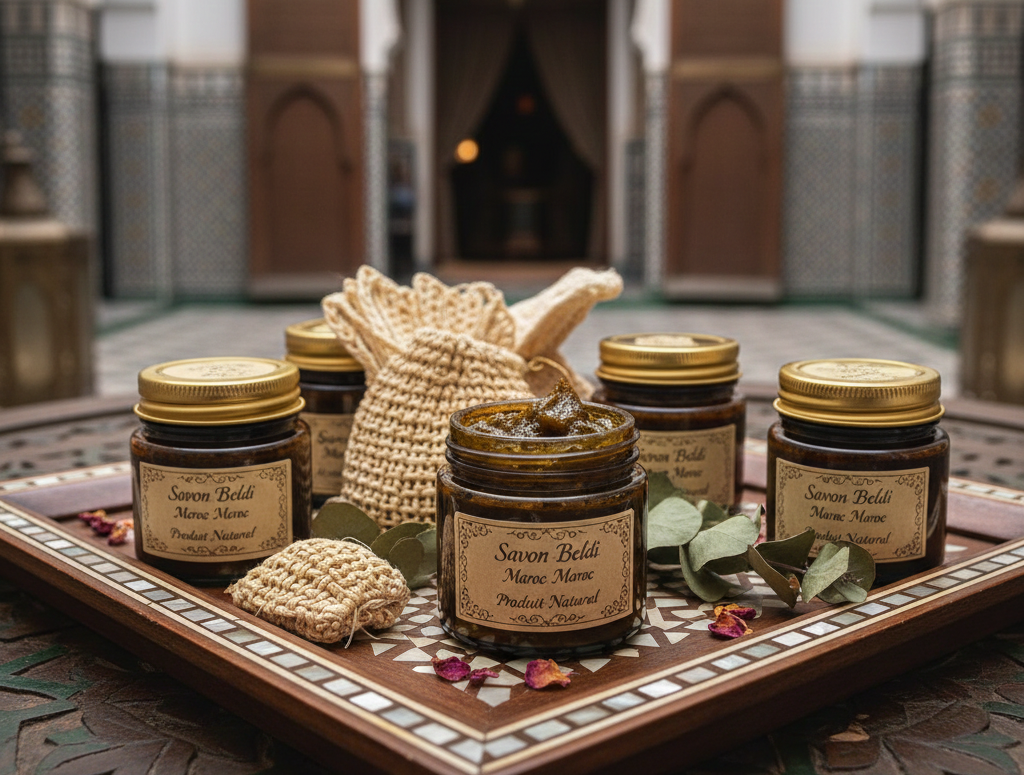
There's something magical about the way Moroccan beldi soap transforms skin and captivates the senses. After my first hammam experience, I understood why this ancient ritual has endured for centuries and why the beldi black soap Moroccan culture values so highly has gained international recognition.
Whether you're planning a visit to Morocco or simply interested in incorporating natural skincare from around the world into your routine, beldi soap offers both physical benefits and a connection to Morocco's rich cultural tapestry. I now keep a jar in my bathroom as a sensory souvenir - each use transporting me back to that steamy hammam in Fez where I first discovered this remarkable tradition.
Have you experienced a traditional Moroccan hammam or used beldi black soap? I'd love to hear about your experience in the comments below! And if you're planning a trip to Morocco, feel free to ask any questions about hammam etiquette or where to find the most authentic experiences.
Remember to pin this guide for your future Morocco travels!