
There's something magical about standing at 4,167 meters, looking out over the rippling Atlas Mountains as the morning sun bathes everything in golden light. My first Mount Toubkal 3 day trek remains one of my most cherished Moroccan adventures, combining physical challenge with incredible cultural immersion. If you're considering tackling North Africa's highest peak, this comprehensive Mount Toubkal trek itinerary will guide you through everything you need to know – from preparation to summit day celebrations. Unlike day hikes or rushed two-day options, the three-day format allows you to acclimatize properly, connect with local Amazigh communities, and truly savor this magnificent landscape.
Day-by-Day Toubkal Trek Itinerary
Day 1: Marrakech to Imlil to Armed Refuge
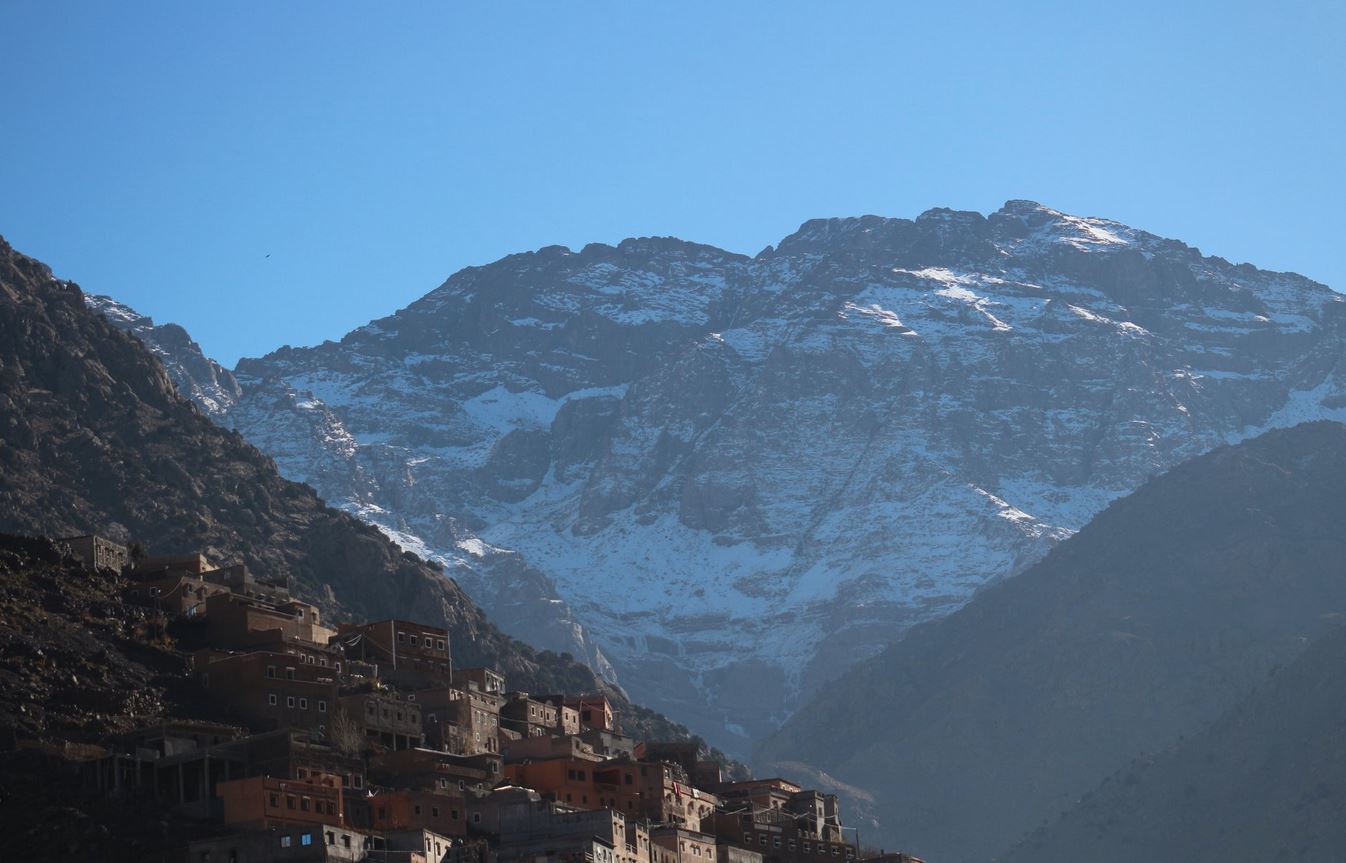
Your Mount Toubkal 3 day trek begins in the bustling city of Marrakech. Most trekkers arrange transportation to Imlil (about 90 minutes by car) through their guide service or accommodation. I recommend leaving Marrakech by 8:00 AM to maximize your first day on the trail.
08:00 - Depart Marrakech
09:30 - Arrive in Imlil (1,740m), meet your guide and arrange mules for luggage
10:00 - Begin trekking through walnut groves and traditional Amazigh villages
12:30 - Lunch stop in Aroumd (1,960m), a picturesque Berber village
13:30 - Continue trek upward through increasingly dramatic scenery
16:00 - Arrive at Refuge du Toubkal (3,207m), your accommodation for the next two nights
The first day of hiking takes approximately 5-6 hours at a comfortable pace, covering about 12km with a 1,467m elevation gain. The path is well-trodden and relatively straightforward, though increasingly steep as you approach the refuge.
What struck me most was the cultural transition as we moved upward. Each village we passed seemed to operate in its own time capsule, with terraced fields and irrigation systems dating back centuries. Our guide Mohammed shared stories of Amazigh traditions as we walked, making this segment of the Mount Toubkal trek itinerary as culturally rich as it was scenic.
Day 2: Acclimatization Day and Preparation
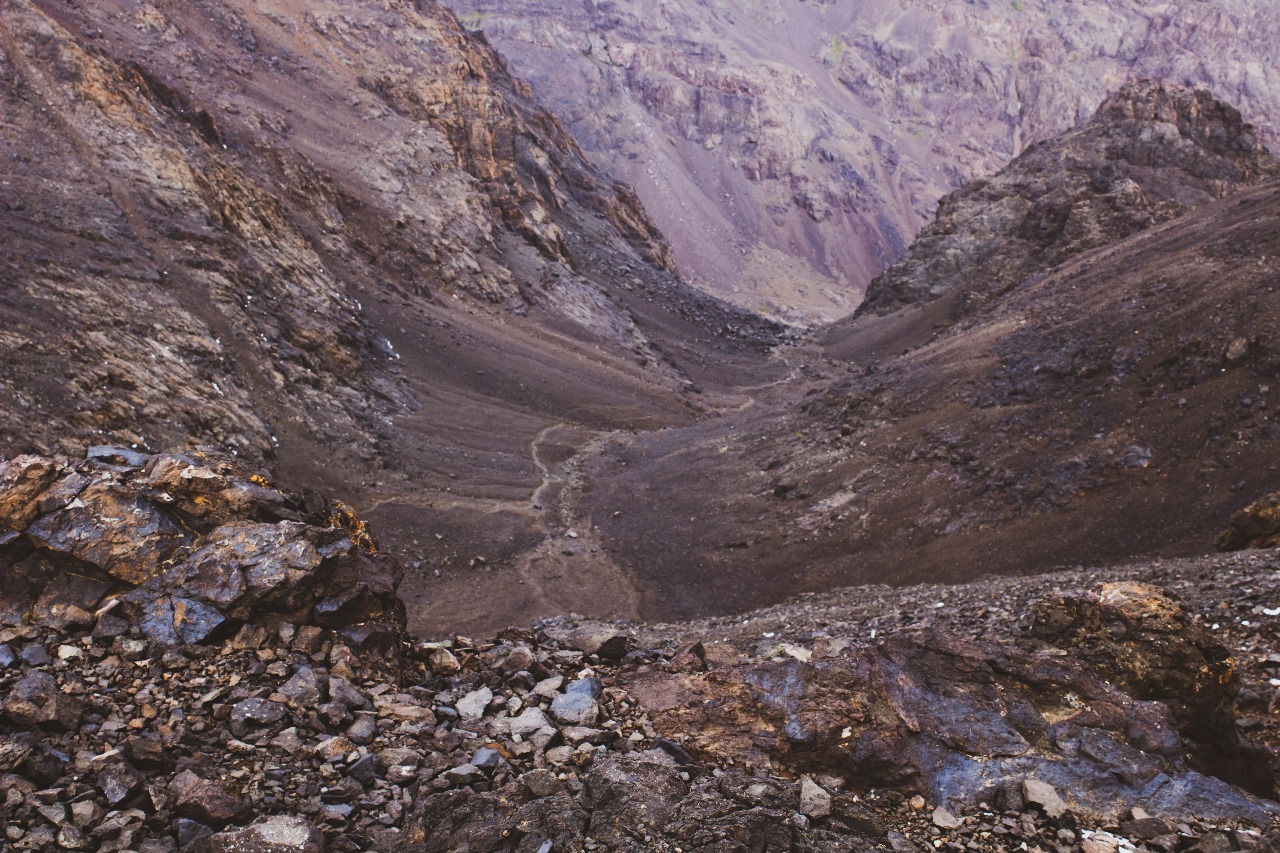
Many trekkers rush straight to the summit on day two, but a proper acclimatization day significantly increases your summit success chances while decreasing altitude sickness risks.
08:00 - Breakfast at the refuge
09:00 - Depart for acclimatization hike to either:
- Tizi Ouagane pass (3,750m)
- Ras Ouanoukrim (4,083m) for more experienced hikers
14:00 - Return to refuge for late lunch
16:00 - Equipment check and summit preparation
18:00 - Early dinner and briefing for summit day
20:00 - Early bedtime
The acclimatization hike typically takes 4-5 hours and offers spectacular views while helping your body adjust to the altitude. I chose the Tizi Ouagane route and found the extra day made my eventual summit significantly more enjoyable.
Back at the refuge, I spent time connecting with other trekkers from across the globe. The refuge has a wonderfully international atmosphere, with climbers sharing stories over mint tea and simple but hearty Moroccan meals.
Day 3: Summit Day and Descent to Imlil

Summit day is the highlight of your Mount Toubkal 3 day trek, requiring an early start but rewarding you with unforgettable panoramic views.
05:00 - Wake up and light breakfast
05:30 - Begin summit ascent in darkness (headlamp required)
08:30-09:30 - Reach Toubkal summit (4,167m)
10:30 - Begin descent to refuge
12:30 - Reach refuge, rest and lunch
13:30 - Descend to Imlil
17:00 - Arrive in Imlil, celebration tea or optional hammam
18:30 - Return to Marrakech (if desired)
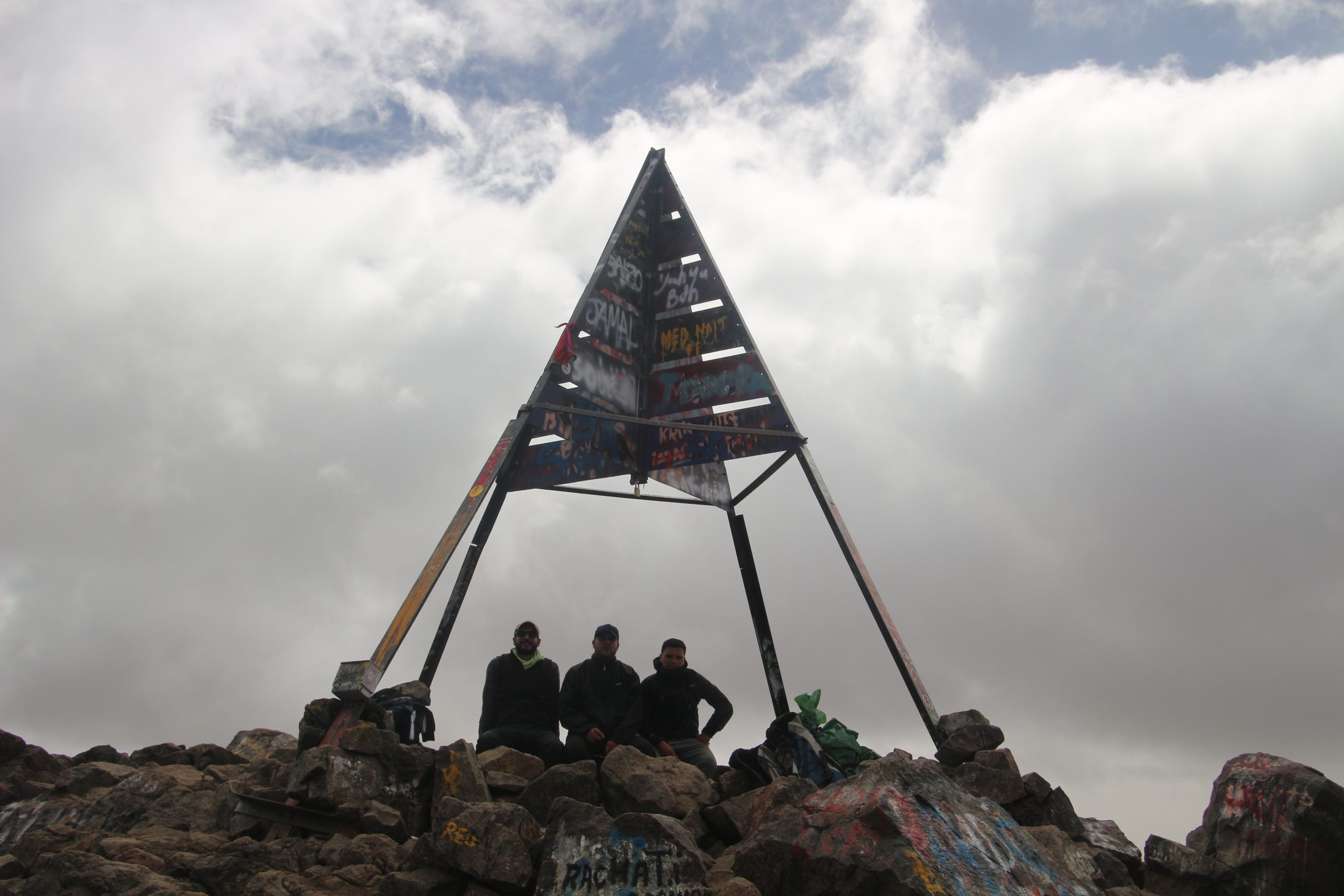
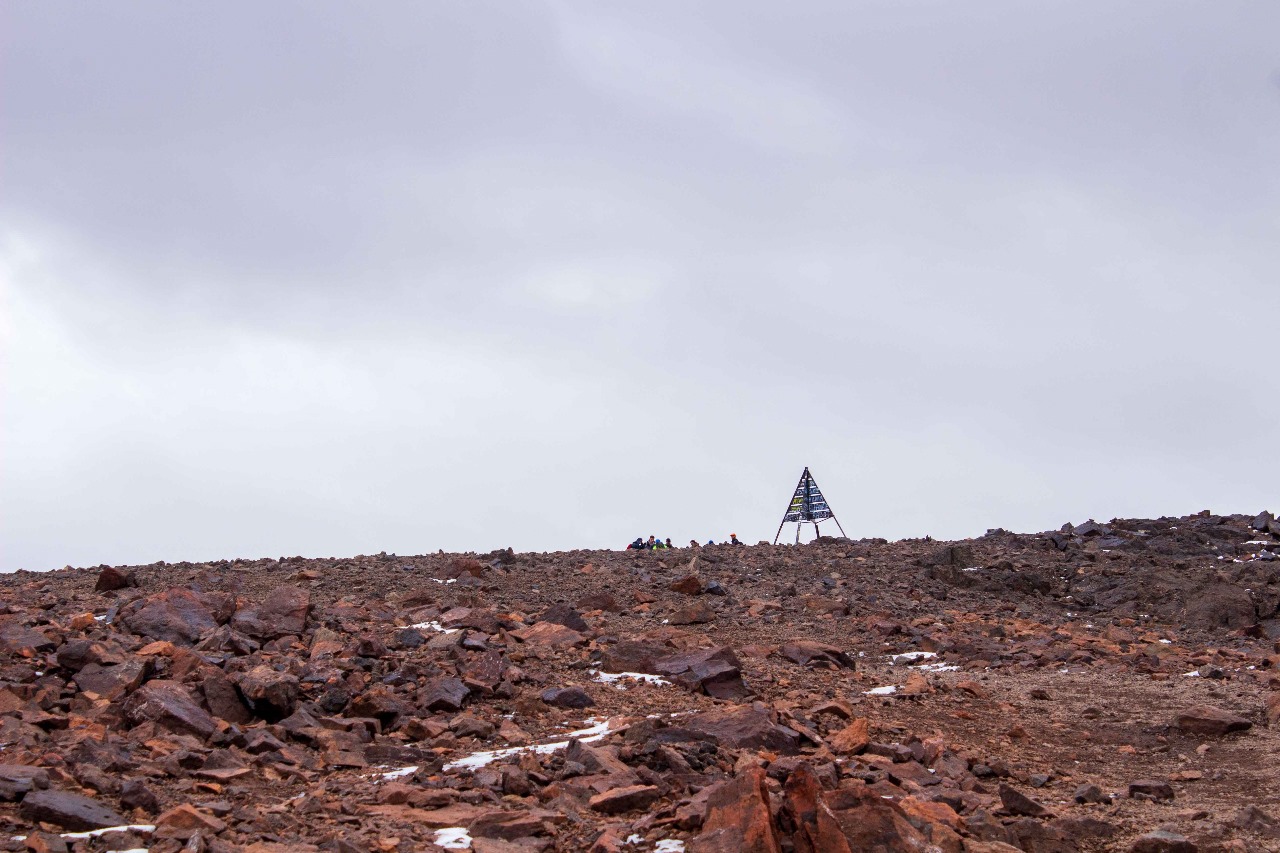
The summit ascent involves approximately 960m of elevation gain over 3-4 hours. The terrain becomes more technical, with some scrambling required near the top and potential snow/ice depending on the season. Reaching the summit—marked by the iconic metal pyramid—is an emotional moment for most trekkers.
The most challenging part of the Mount Toubkal trek itinerary is actually the long descent (about 2,400m elevation loss), which tests different muscle groups and requires careful footing. When I finally reached Imlil, my legs were jelly, but the sense of accomplishment was indescribable.
Essential Tips for Your Toubkal Trek
When to Go
The optimal trekking seasons for Mount Toubkal are:
- May to October: Summer season with minimal snow and warmer temperatures (though July-August can be extremely hot at lower elevations)
- March to April: Spring season with potential snow but fewer crowds
- November to February: Winter ascents require proper mountaineering equipment and experience
I trekked in late September and found it perfect—comfortable daytime temperatures, cool nights, and minimal crowds after the summer peak.
Packing Essentials
For a successful Mount Toubkal 3 day trek, pack:
- Sturdy hiking boots (already broken in)
- Layers of clothing (temperatures range dramatically)
- Warm hat and gloves (essential even in summer)
- Down jacket for evenings
- Rain/wind shell
- Sunscreen, sunglasses, and hat
- Headlamp with extra batteries
- 2-3 liters water capacity
- Snacks for energy boosts
- Personal medications and basic first aid
- Walking poles (optional but helpful for the descent)
- Camera (you'll want to capture these views!)
In winter (November-April), add:
- Crampons
- Ice axe
- Thermal base layers
Accommodation Options
The standard accommodation on a Mount Toubkal trek itinerary is the Refuge du Toubkal (sometimes called Refuge Les Mouflons), which offers:
- Dormitory-style rooms
- Hot meals
- Basic washing facilities
- Warm common areas
For those preferring more comfort, some premium guides offer:
- Private room options (very limited)
- Camping alternatives in summer months
- Lodge accommodations in Imlil before/after the trek
Cultural Considerations
Remember that you're trekking through traditional Amazigh (Berber) communities:
- Dress modestly, especially in villages
- Ask permission before photographing locals
- Learn a few Amazigh greetings (your guide can teach you)
- Support local economies by purchasing handicrafts or tea in villages
Alternative Trekking Options
If the standard Mount Toubkal 3 day trek doesn't fit your plans, consider these alternatives:
2-Day Express Trek
For those with limited time, the two-day option skips acclimatization:
- Day 1: Imlil to Refuge
- Day 2: Summit and return to Imlil
While possible, this compressed itinerary increases altitude sickness risks and offers less cultural immersion.
4-5 Day Circuit Trek
For a more comprehensive experience, extend your Mount Toubkal trek itinerary to include:
- Additional peaks (Ouanoukrim, Ras, Timesguida)
- Multiple Berber villages
- Remote high-altitude passes
- Lake Ifni
- Diverse ecosystems from juniper forests to high alpine terrain
Winter Ascent
For experienced mountaineers, a winter summit offers a completely different challenge with:
- Snow and ice terrain requiring technical gear
- Dramatically reduced crowds
- Crystalline visibility on clear days
- A true expedition feel
Is the Mount Toubkal Trek Right For You?
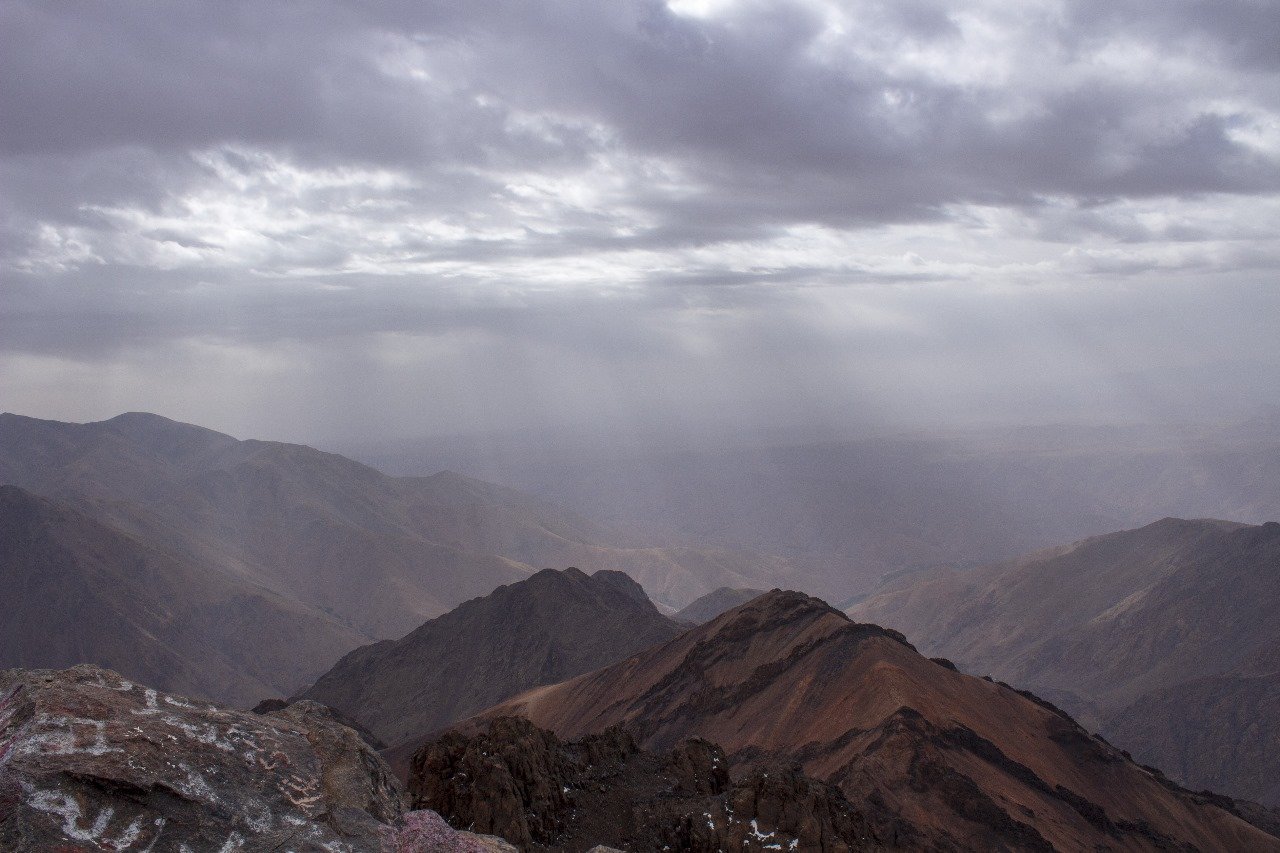
The Mount Toubkal 3 day trek represents the perfect balance of challenge and accessibility. Unlike many world-famous mountain treks requiring weeks of time and technical expertise, Toubkal offers a genuinely achievable high-altitude experience that fits within most travelers' Morocco itineraries.
What makes this journey special isn't just the summit achievement but the cultural tapestry woven throughout your experience. As you follow the carefully planned Mount Toubkal trek itinerary, you'll witness traditional Amazigh village life largely unchanged for centuries, sample authentic mountain cuisine, and perhaps gain new perspective on what truly matters in life.
After completing this trek myself, I returned to Marrakech with sore legs, countless photographs, and a profound appreciation for both Morocco's natural grandeur and its hospitable mountain communities. Whether you're an experienced hiker or embarking on your first real mountain adventure, Toubkal offers rewards well worth the effort.
Have you trekked Mount Toubkal or are you planning to? What aspects of this iconic Moroccan adventure most appeal to you? Share your experiences or questions in the comments below, and I'll do my best to help you prepare for your own unforgettable Atlas Mountain journey!
Note: While this article provides comprehensive guidance, always trek with a certified local guide, check current conditions before departure, and ensure proper travel insurance coverage for high-altitude activities.