
Forget what you think you know about Rabat. This isn't some science fiction dream—it's happening right now in Morocco's capital. While other cities try to copy Dubai or Paris, Rabat is writing its own story. The Rabat urban transformation has turned a sleepy government town into one of Africa's most innovative cities, and I've watched it happen.
Last year, I took the train from Casablanca to Rabat. The journey that used to take hours now flies by in just 45 minutes on Africa's fastest train. When I stepped off at the new Rabat-Agdal station, I felt like I'd walked into the future. Glass, steel, and light everywhere. But here's what surprised me most—this modern marvel connects seamlessly with trams, buses, and electric vehicles. No confusion, no stress. Just smooth movement through the city.
This is Rabat's secret. The city isn't trying to be somewhere else. It's becoming the best version of itself.
The Silver Snake That Changed Everything
The first thing you notice about modern Rabat is the tramway. Locals call it the "silver snake" because of how it curves through the city, connecting Rabat with its sister city Salé across the Bouregreg River.
I rode the tram on a Friday afternoon. The car was clean, air-conditioned, and filled with families heading to the beach, students going home, and elderly couples out for shopping. A young mother with two kids sat across from me. She told me she used to spend two hours in traffic every day. Now? Twenty minutes on the tram, and she reads books during her commute.
The tramway did something bigger than just move people. For years, the Bouregreg River divided Rabat and Salé like an invisible wall. People on one side rarely visited the other. The tram changed that overnight. Now, families cross the river for dinner. Students attend universities on the opposite bank. The two cities breathe as one.
Modern Connections at Rabat-Agdal Station
The new Rabat-Agdal station is where Morocco's urban transformation really shows itself. This isn't just a train station—it's a transport hub where everything connects.
Step off the high-speed train from Tangier, and you can immediately hop on a tram, catch an electric bus, or grab a taxi. No walking kilometers with your luggage. No confusing signs. The Moroccans designed this station like a living organism where every part works together.
My tip? If you're visiting Rabat, arrive by train. The station itself is worth seeing, and you'll understand why this city is different from the moment you arrive.
Turning Trash Into Treasure
Here's something most tourists never see, but it's one of Rabat's most brilliant moves. About 20 kilometers outside the city, there's a place that used to be Morocco's shame. Mountains of garbage, bad smells, and pollution. Today, it's a clean energy factory.
The Oum Azza waste treatment center transforms Rabat's organic waste into biogas through a process called methanization. Think about that—yesterday's food scraps, garden clippings, and organic waste ferment in special tanks. The gas they produce generates electricity that flows back into the city's power grid.
A friend who works in urban planning explained it to me over coffee in the medina. "Hassan," he said, "we light our streets at night with what we threw away in the morning. This is circular economy in action."
No other African city has done this on such a scale. Rabat took its biggest environmental problem and turned it into clean energy. That's not just smart—it's revolutionary.
Reaching for the Sky: The Mohammed VI Tower
You can see it from almost anywhere in Rabat now—a 250-meter tower piercing the sky. The Mohammed VI Tower isn't just the tallest building in the Maghreb. It's a statement.
I visited the tower district on a windy afternoon. An engineer on-site told me the building was designed to withstand the strongest Atlantic winds and potential earthquakes. The south-facing wall is covered in solar panels, soaking up sun to power the building. Rainwater doesn't go to waste either—it's collected and recycled.
But what impressed me most? The architect thought about Rabat's climate. The tower doesn't fight against Morocco's weather; it works with it.
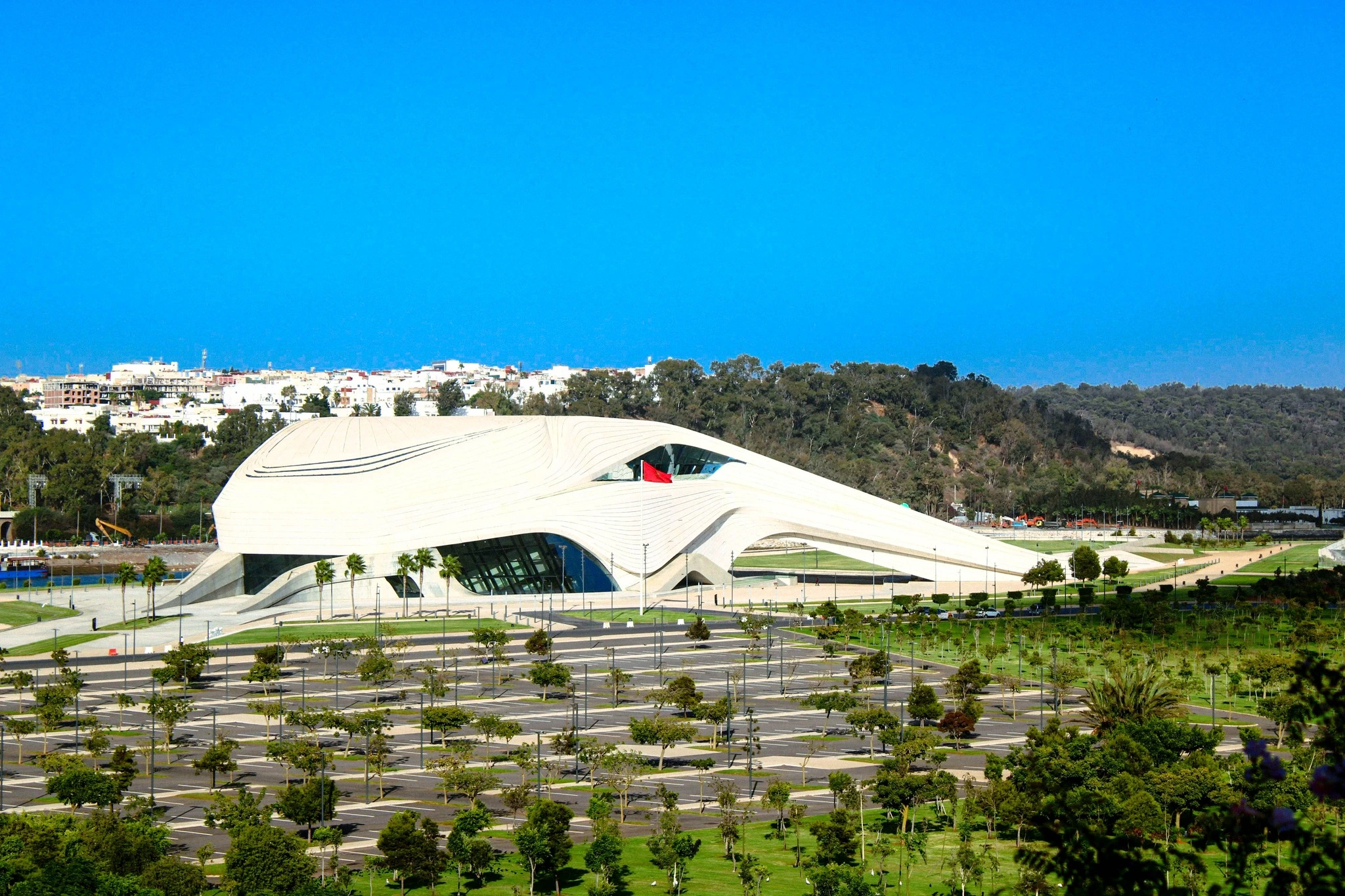
At the tower's base sits the Grand Theater designed by the famous architect Zaha Hadid. The building's curves follow the flow of the Bouregreg River. Standing there, you realize Rabat's modernization isn't about forgetting tradition. It's about honoring the land while building the future.
A Green City That Doesn't Drink
Rabat calls itself a green city, and it means it literally. Parks, gardens, and green spaces have bloomed across the capital. I love walking through the Bouregreg Gardens on weekend mornings. Families picnic, children play, and the air feels fresh.
Here's what most visitors don't know: none of these green spaces use drinking water. Zero drops of precious potable water go to watering lawns or gardens.
Instead, Rabat built a massive water treatment plant that purifies wastewater. This recycled water keeps every park green, every tree healthy. The city breathes fresh air without draining the region's water resources.
Walking through these parks, you wouldn't know the water came from treatment plants. The grass is green, flowers bloom, and birds sing. This is how smart cities work—they find solutions that benefit everyone.
What Rabat's Transformation Means for Travelers
So why should you care about trams, waste treatment, and recycled water? Because Rabat's urban transformation makes it one of the easiest, cleanest, and most pleasant cities to visit in Morocco.
Getting around is simple. Buy a tram card, and you can reach most major sites without hassle. The Hassan Tower, the Kasbah of the Udayas, the royal palace—all connected by clean, reliable public transport.
The air is cleaner. Fewer cars mean less pollution. You can actually breathe while walking through the city center.
The infrastructure works. Trains run on time. Buses are modern. The city feels organized without losing its Moroccan soul.
I've taken my cousins from the countryside to Rabat. They were amazed. "This is Morocco?" they asked. Yes, it is. A Morocco that respects its past while building its future.
Beyond the Tourist Trail
Most travel guides tell you to visit the Hassan Tower and the Kasbah, then move on to Fez or Marrakech. They're missing the real story.
Take the tram to Salé and walk along the river. Watch the sun set over the Bouregreg from the new riverfront cafes. Visit on a Friday and see Moroccan families enjoying their capital city—modern, clean, and proud.
The Mohammed VI Museum of Modern and Contemporary Art shows Morocco's artistic evolution. The Andalusian Gardens offer quiet moments away from crowds. And if you ride the tram to the end of the line, you'll see neighborhoods where real Rabatis live, work, and dream.
A Model for Africa's Future
Rabat isn't finished. Construction cranes dot the skyline. New projects emerge every year. But the city has already proven something important: African cities don't need to copy Europe or the Gulf. They can create their own models.
By combining heavy infrastructure investment, intelligent resource management, and bold architecture, Morocco sends a clear message. Modernization doesn't mean abandoning identity or ignoring ecology.
Rabat is no longer just Morocco's political capital. It's become a laboratory for an Africa that looks forward with its own solutions and its own light.
Your Turn to Discover Rabat
Have you visited Rabat recently? Did you notice the changes? Or are you planning your first trip and wondering what to expect?
I'd love to hear your thoughts. Drop a comment below and tell me:
- What aspect of Rabat's transformation interests you most?
- Have you experienced the tram or high-speed train?
- What surprised you about Morocco's capital?
And if you're still planning your Morocco adventure, check out my guide to [Morocco's transport options] and [sustainable travel in Morocco] to make the most of your journey.
Rabat is waiting. This is Morocco's future, happening now.