
One of the questions I get asked most often by visitors planning a trip to Marrakech is: “Where can I buy an authentic jellaba – the kind Moroccans actually wear, not the touristy stuff?”
After more than a decade of living in Morocco, I can tell you this: finding a great jellaba in Marrakech is absolutely doable, but knowing where to look (and how to shop) makes all the difference. So grab a mint tea and let me walk you through the best spots to find men’s jellabas that locals themselves swear by.
But First – What Exactly Is a Jellaba?
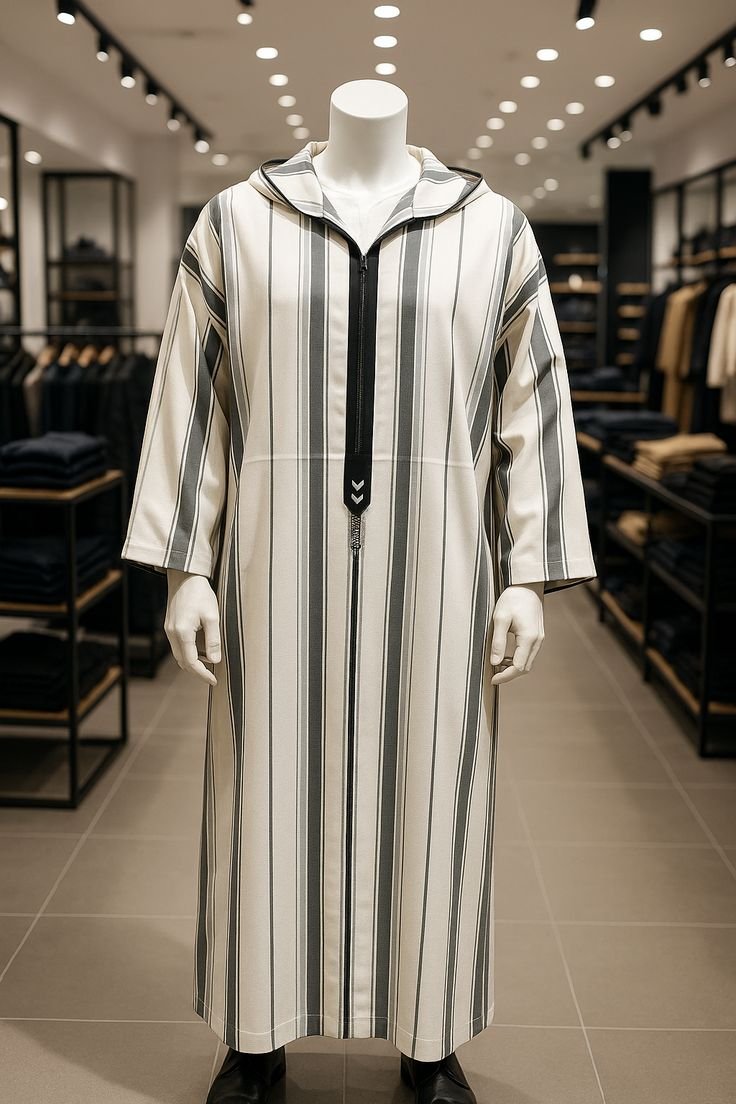
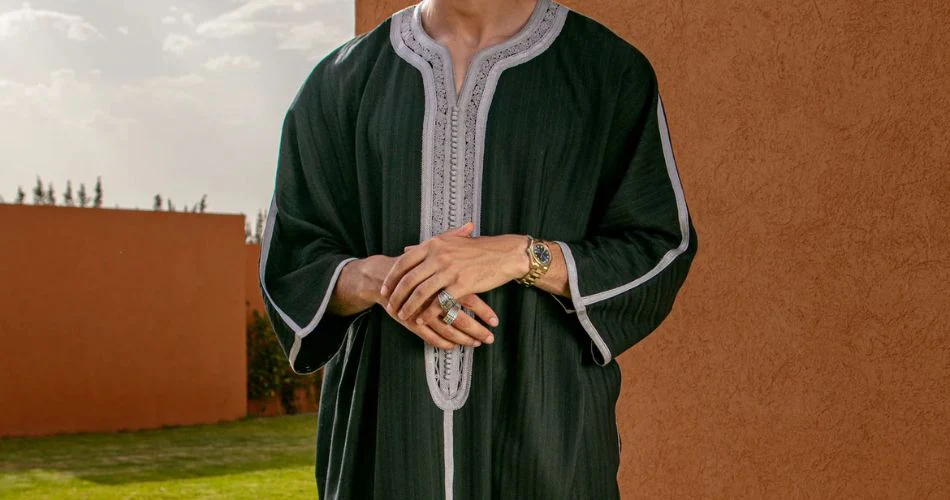
If you’re not familiar, the jellaba (also spelled djellaba) is the quintessential Moroccan garment – a long, loose-fitting hooded robe worn by both men and women. For men, jellabas typically come in earthy tones like cream, brown, grey, and navy, and they’re worn over regular clothes. They’re perfect for everything from a casual stroll through the medina to Friday prayers at the mosque. The pointed hood (called a qob) is one of its most distinctive features, and honestly, once you see how practical it is on a chilly Marrakech evening, you’ll want one for yourself.
Forget the “Tourist Shops vs. Local Shops” Myth
Here’s something that surprises many visitors: the souks of Marrakech aren’t just for tourists. Yes, you’ll see plenty of souvenir shops near Jemaa el-Fna, but the deeper you venture into the medina’s labyrinth of alleyways, the more you’ll find yourself shopping alongside Marrakchis who have been buying their clothes here for generations. The souks are where locals shop too – and not many tourists actually buy jellabas, so the shops selling them tend to cater primarily to a Moroccan clientele. That’s good news for you.
The Best Souks for Men’s Jellabas
Souk El Kebir & Souk El Khemis
These are the main areas for traditional Moroccan clothing in the medina, and they should be your first stop. Souk El Kebir (“the Big Souk”) is packed with shops selling all kinds of traditional garments, and you’ll find a wonderful selection of men’s jellabas here. Souk El Khemis is another excellent option. Both of these areas have a distinctly local feel – you won’t find fridge magnets and “I Heart Marrakech” t-shirts here. What you will find are rows of neatly folded jellabas in every fabric and color imaginable.
Souk Semmarine
The covered main artery of the souk does have some jellaba shops as well. While this souk is busier with tourists, it’s still a legitimate shopping area for locals. Keep your eyes open as you walk through – the traditional clothing shops here are worth a browse.
The Hidden Gem: The Four Alleys Past the Spice Souk
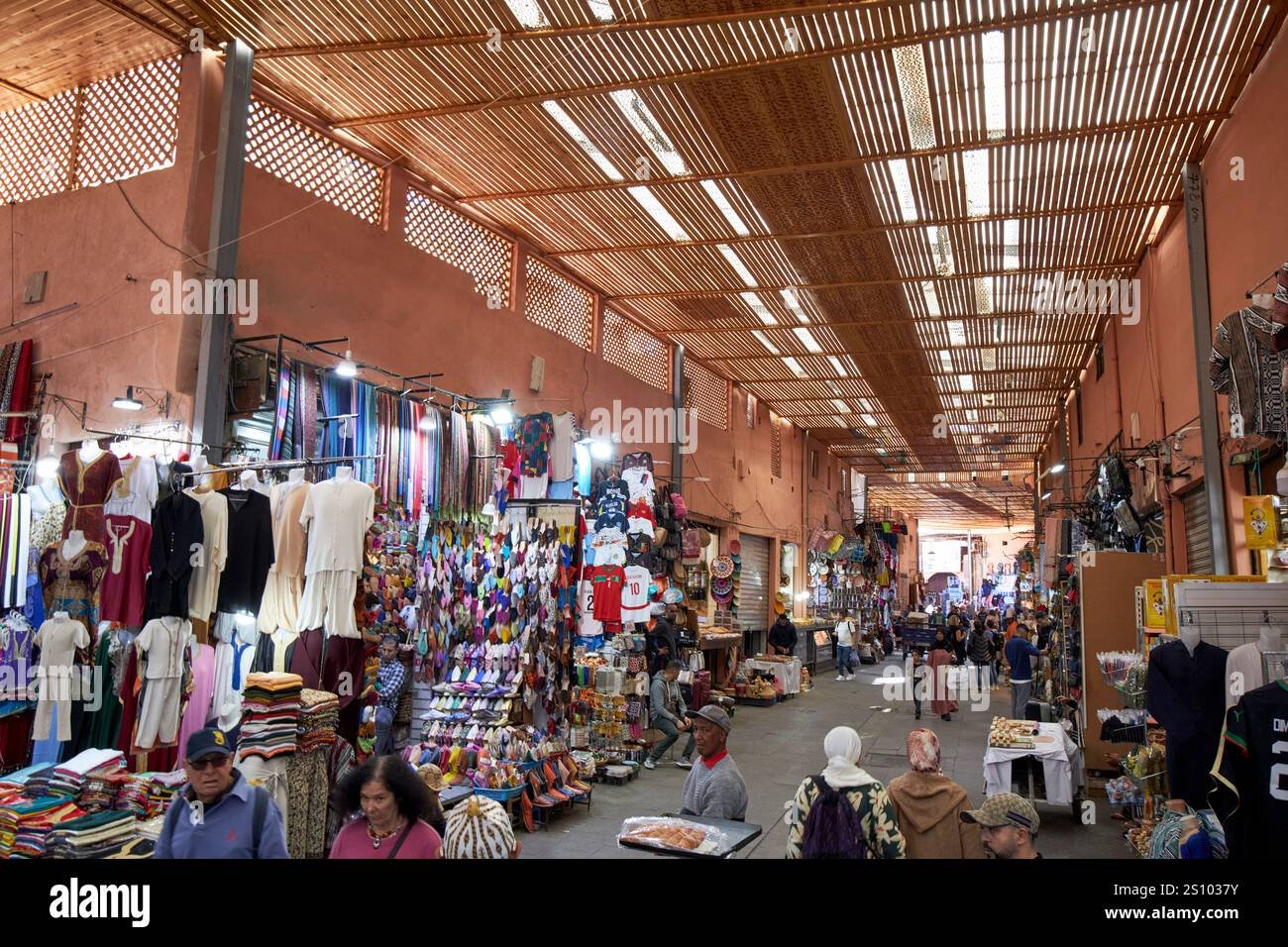
Now, this is where things get really interesting. Just past the Rahba Kedima (the famous Spice Souk, which you’ll find on your right as you walk along the main alley), there are four streets branching off to your left, connected by a cross alley in the middle. This area is the heart of Marrakech’s traditional clothing trade. These four narrow streets are absolutely packed with tiny shops selling jellabas and other traditional garments. Many of the other shops in the medina actually buy their stock from here – so you’re essentially going straight to the source.
Past this clothing area, you’ll also find two streets dedicated to leather shops, backed by the street of shoes – so you could easily make a full traditional wardrobe stop out of this one trip!
Souk Laksour: The Wholesale Secret
Here’s an insider tip that most guides won’t tell you about. If you head a bit further down Souk Laksour street (past the pharmacy near La Place, also known as Jemaa el-Fna Square), you’ll find a small clothing mall on your right. This is primarily a wholesale spot – the kind of place where other shop owners come to stock up. Each shop inside specializes in a particular type of garment, and the prices can be significantly lower than what you’d find elsewhere. Just remember: even at a wholesale spot, you’ll still need to negotiate (more on that below!).
How Much Should You Pay for a Jellaba?
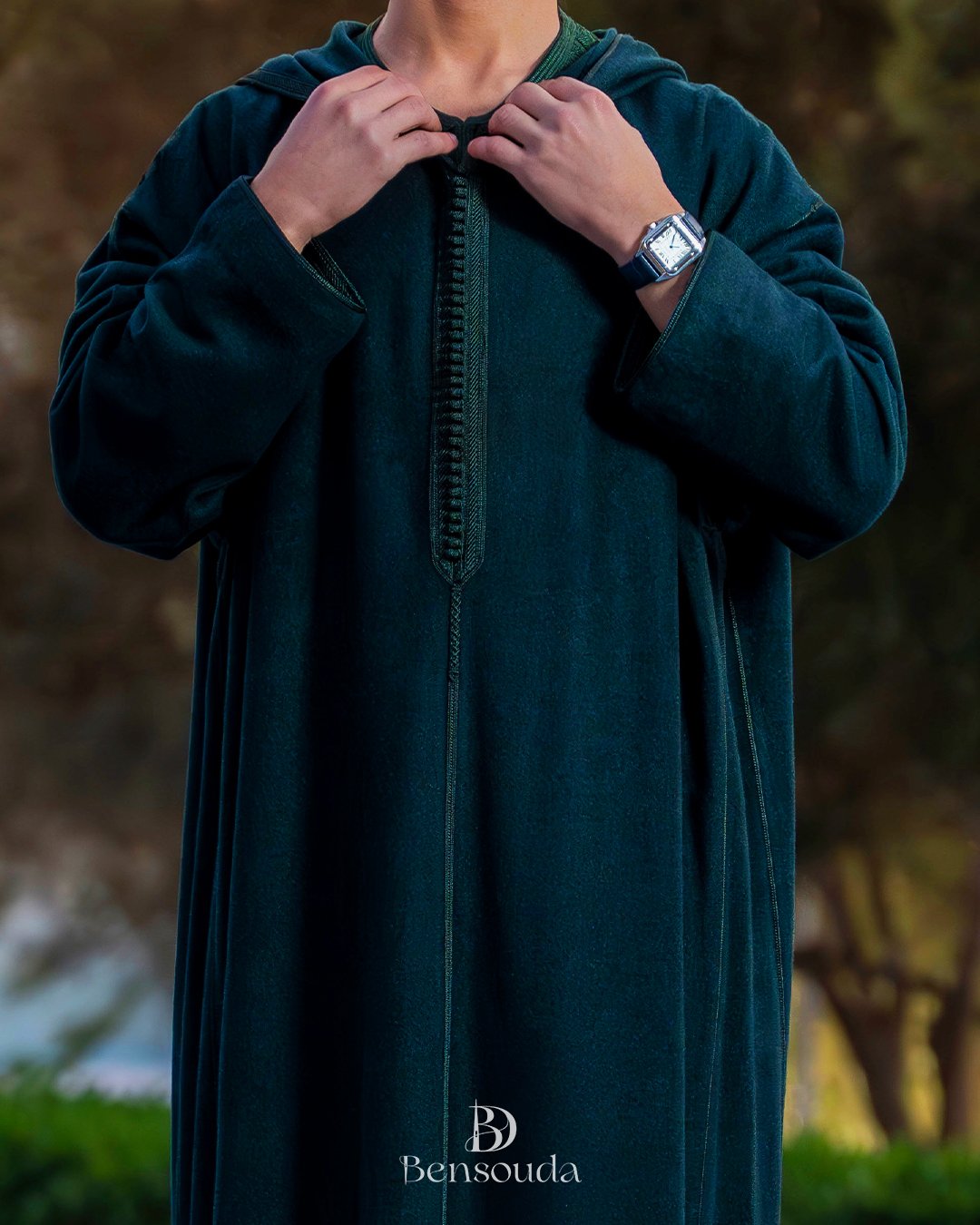
This is the million-dirham question, isn’t it? Here’s a rough pricing guide to help you know what’s fair:
Jellaba Type | Price Range (MAD) |
Standard / everyday jellaba | 100 – 150 DH |
Fine quality jellaba | 200 – 300 DH |
Custom bespoke / tailored jellaba | 500 DH and up |
Keep in mind that with strong haggling skills, you might get even better prices. These numbers are a good baseline so you know you’re not being wildly overcharged.
The Art of Haggling: Tips for Getting a Good Price
Let’s be honest – as a visitor, you’re going to be seen as what locals lovingly call “a wallet on legs.” It’s not personal – it’s just the way market culture works. But with the right approach, you can still walk away with a great deal and a smile on your face. Here are my tried-and-tested tips after years of souk shopping:
- Never accept the first price. The initial asking price is almost always inflated. Start by offering about a third to half of what they quote you, and work your way up from there.
- Be friendly but firm. A warm smile and a bit of chat go a long way. Vendors appreciate when you engage genuinely. Try a few words of Darija (Moroccan Arabic) – even a simple “bezzaf!” (“too much!”) will earn you some laughs and maybe a better price.
- Walk away if needed. The classic move. If the price isn’t coming down, politely say thank you and start to leave. You’ll often be called back with a better offer.
- Compare before you commit. Visit a few shops before making a purchase. This gives you a sense of the going rate and puts you in a stronger bargaining position.
- Check the quality. Look at the stitching, the fabric weight, and the finish. A well-made jellaba should have neat, even seams and the fabric should feel substantial. Ask the vendor about the material – wool jellabas are warmer and pricier, while cotton and synthetic blends are lighter and more affordable.
Going Bespoke: The Ultimate Jellaba Experience
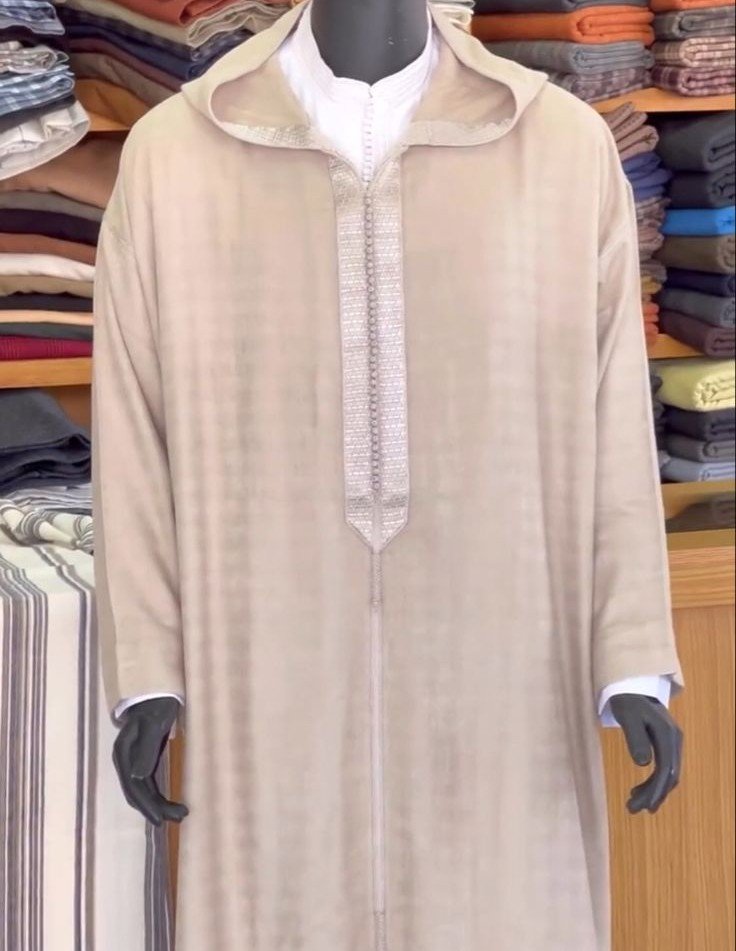
If you really want to take your jellaba game to the next level, consider having one custom-made. There are talented tailors scattered throughout the medina who can create a jellaba to your exact measurements. A bespoke jellaba starts at around 500 DH and goes up depending on the fabric and embroidery you choose. It usually takes a day or two, so plan ahead if this is something you’re interested in. Trust me – there’s something incredibly special about wearing a garment that was made just for you in the heart of Marrakech.
Quick Navigation Guide
Getting around the medina can feel like navigating a maze (it literally is one!). Here’s how to find the key shopping areas:
- From Jemaa el-Fna: Head into the main souk entrance (Souk Semmarine) and keep walking deeper into the medina.
- For the Four Alleys: Pass through the Spice Souk (Rahba Kedima) on your right, then look for four streets branching off to your left.
- For the wholesale mall: Walk down Souk Laksour past the pharmacy near the square – the small mall will be on your right.
Don’t stress too much about following exact routes – half the fun is getting a little lost and stumbling upon unexpected gems. That’s the magic of Marrakech!
Final Thoughts
Buying a jellaba in Marrakech isn’t just a shopping trip – it’s a cultural experience. From the sensory overload of the souks to the thrill of a successful haggle, it’s one of those things that makes visiting Morocco so unforgettable. Whether you’re picking up a simple everyday jellaba or investing in a bespoke masterpiece, you’ll be bringing home more than just a garment – you’ll be carrying a piece of Moroccan tradition.
Have you bought a jellaba in Marrakech? I’d love to hear about your experience! Drop a comment below or send me a message – and if you found this guide helpful, share it with someone who’s planning a trip to the Red City.
Until next time, stay bewildered! 