Things to Do in Casablanca: A Local's Complete Guide (2026)
Updated
Most travelers skip Casablanca entirely. They land at the airport, catch a train to Marrakech, and never look back. I used to tell people to do exactly that. Then I actually spent time exploring Morocco’s largest city — really exploring it, beyond the tourist checklist — and I completely changed my mind.
I’ve been living in Morocco since 2013, and I’ve spent years getting to know Casablanca’s hidden corners, its cheap fish stalls deep in the port, its secret rooftop views, and the spots where only locals hang out. This isn’t the Casablanca guide you’ll find in a guidebook. This is the city I know and love, warts and all.
Here’s everything worth doing in Casa — from the jaw-dropping landmarks to the places most tourists never find.
1. Stand in Awe at the Hassan II Mosque
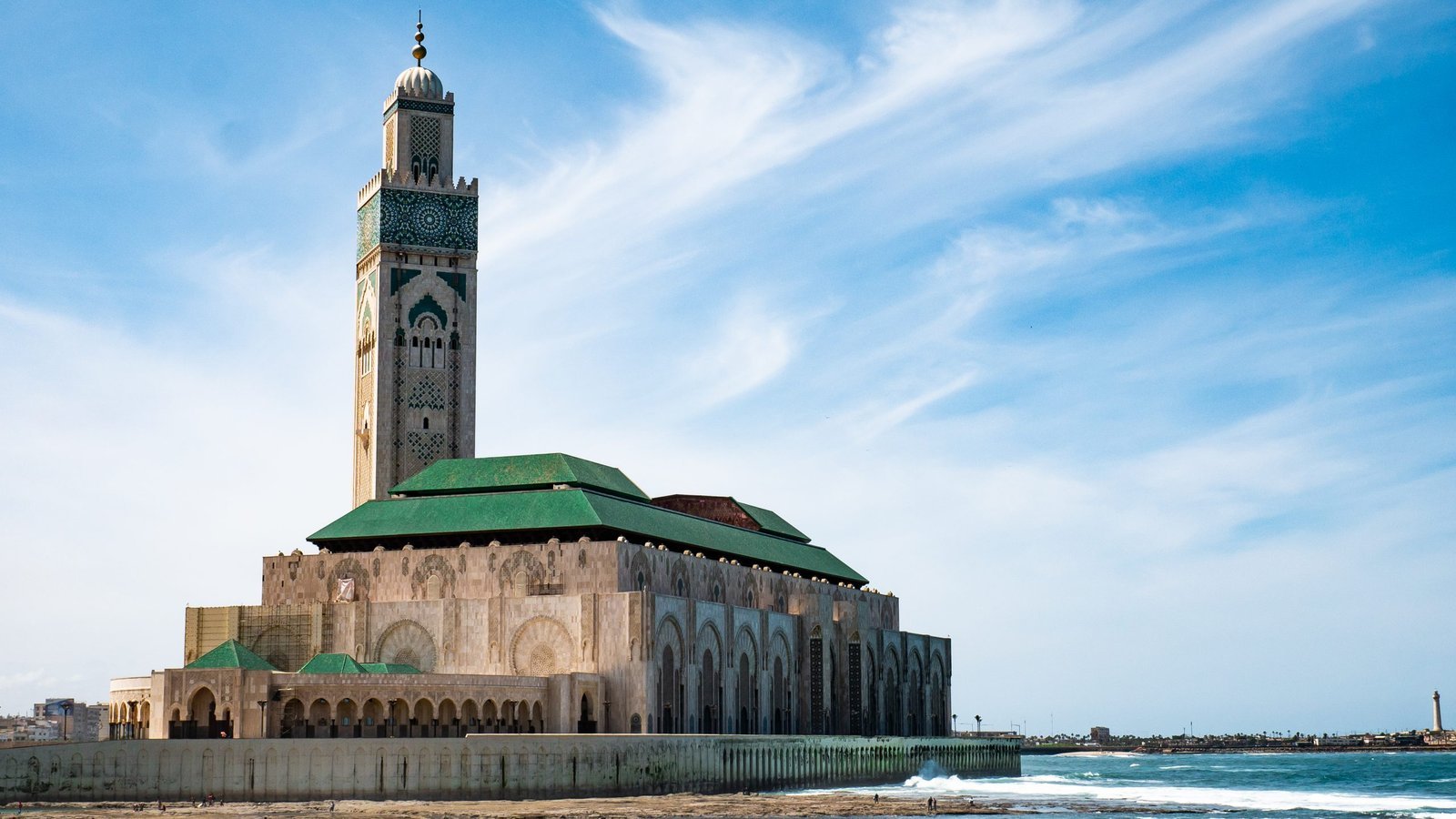
Let’s start with the obvious — because no list of things to do in Casablanca makes sense without it. The Hassan II Mosque is not just Casablanca’s main attraction; it’s one of the most extraordinary buildings I’ve ever seen, anywhere in the world.
The mosque sits right on the edge of the Atlantic Ocean, and part of it is actually built over the water. Its minaret reaches 210 meters into the sky — that’s taller than a 60-story building. At night, a laser beam shoots from the top of the minaret in the direction of Mecca, visible from 30 kilometers away. The craftsmanship is staggering: over 10,000 Moroccan artisans spent years hand-carving cedar, laying intricate zellige tilework, and sculpting plaster into patterns that seem almost impossibly detailed.
What I love most is visiting at sunset. The golden light turns the cream-colored stone into something almost otherworldly, and you can hear the Atlantic waves crashing beneath the mosque. It’s one of those moments that makes you go quiet.
Practical info: Non-Muslims can visit on guided tours (check current schedule at the ticket office). Combined mosque + museum ticket costs around 140 MAD. Tours typically run until 12:30 PM. Dress modestly — shoulders and knees covered. Women do not need to cover their hair. Photography is allowed outside; check with your guide for inside. Allow 1.5–2 hours for the full visit.
Read my complete Hassan II Mosque visitor’s guide for tour times, tickets, and insider tips.
2. Climb the Secret Rooftop at Sacré Coeur Cathedral
Here’s something most tourists completely miss. The Sacré Coeur Cathedral, built in 1930, is the largest church in Morocco. It stopped functioning as a church when Morocco gained independence in 1956 and reopened in 2000 as a cultural space hosting exhibitions and events.
The architecture alone is worth the visit — it blends European and Moroccan design elements in a way that feels unique to Casablanca. Step inside and you’ll see beautiful colored glass windows displaying flags from countries around the world: Danish, Swedish, Icelandic, Brazilian, Norwegian. It’s a quietly powerful reminder of how international Casablanca has always been.
But here’s the insider tip that makes this place special: tip the guardian a few dirhams and ask to go up to the rooftop. From up there, you get a panoramic view of the entire city stretching out below you. It’s breathtaking, and almost nobody knows about it.
Practical info: The cathedral is currently under renovation (check status before visiting). Located in the city center, walkable from Mohammed V Square. No entrance fee for the main hall, but a small tip for rooftop access. Allow 30–45 minutes.
3. Soak Up History at Mohammed V Square
Mohammed V Square is the beating heart of downtown Casablanca, and it tells you a lot about this city’s layered identity. This is where Winston Churchill walked during the famous Casablanca Conference after World War II. Today, it’s a beautiful public space where modern life flows around buildings that whisper stories from the past.
What I find fascinating is how the square captures Casablanca’s duality. Everything is written in Arabic and Amazigh, showing Morocco’s commitment to its cultural roots, while the architecture around you blends French colonial Art Deco with Moroccan design. Across the square, you’ll spot the beautiful opera building — it’s been the site of public demonstrations too, a reminder that this space continues to matter to the city’s civic life.
I like to grab a mint tea at one of the surrounding cafés and just watch people cross the square — business people rushing somewhere, friends meeting up, tourists taking photos of the stunning architecture. It’s a perfect starting point for exploring the city center on foot.
4. Walk Through Casablanca’s Art Deco District
This is one of the most underrated things to do in Casablanca, and I wish more travelers knew about it. In the 1920s and 1930s, French architects essentially used Casablanca as a canvas for experimental Art Deco design, blending European modernism with traditional Moroccan motifs. The result is a city center full of gorgeous buildings that most visitors walk right past without realizing what they’re seeing.
Start at Mohammed V Square and wander through the surrounding streets. You’ll notice ornate balconies, geometric patterns, curved facades, and elaborate tile work on buildings that look like they belong in a design museum. The French influence is everywhere — many streets still carry names like Boulevard de Paris and Rue de Bordeaux.
Some standout buildings include the Bendahan Building on Boulevard de la Résistance and the Imcama Building. But honestly, the joy is in the wandering. Around almost every corner, there’s a facade that makes you stop and look up.
Local tip: Morning light is best for photographing the Art Deco buildings. Start your walk around 9–10 AM when the white facades glow in the sun. The whole downtown area is walkable — you can cover the main highlights in about 2 hours at a relaxed pace.
5. Explore the Old Medina Without the Crowds
If you’ve visited the medinas in Fes or Marrakech, Casablanca’s old medina will feel like a different world — and that’s actually a good thing. It’s smaller, calmer, and far less touristy. Nobody is going to grab your arm and drag you into a carpet shop here.
The old medina is located right in the city center, not far from the port. Inside the whitewashed walls, you’ll find narrow streets lined with small shops selling everything from spices and leather goods to household items and traditional crafts. This is where regular Casablancans actually shop — not a performance for tourists.
Look out for the Casablanca Clock Tower at the edge of the medina, a reconstruction of the original 1908 tower that once marked the border between the old city and the French-built new town.
6. Shop Like a Local in the Habous Quarter
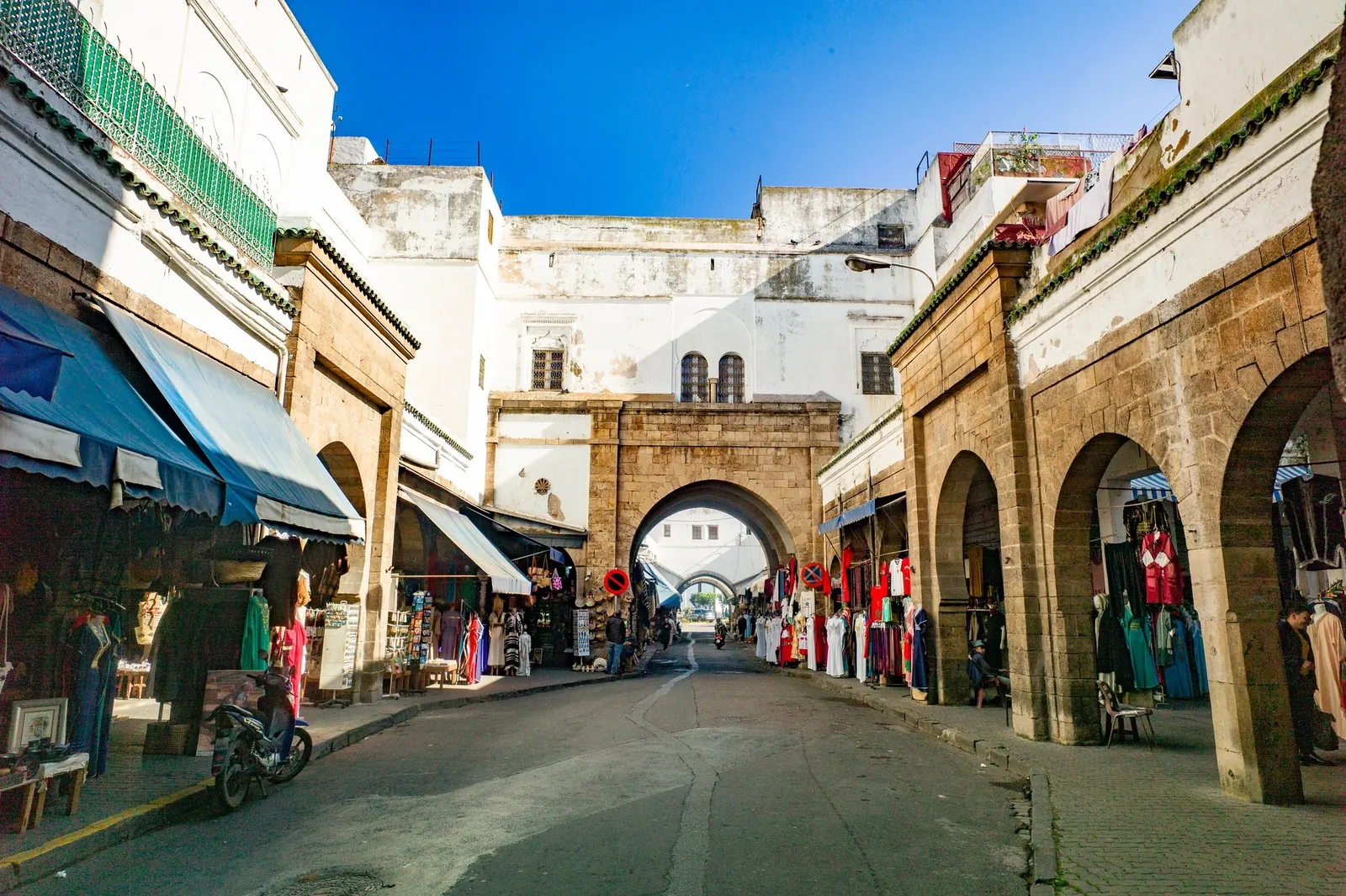
The Habous Quarter — also called the New Medina — is one of my favorite places in Casablanca. Built by the French in the 1930s, it was designed to look and feel like a traditional Moroccan medina but with wider, more organized streets. The result is the best of both worlds: authentic atmosphere without getting lost every five minutes.
This is where you come for serious shopping. The quality of traditional goods here is excellent — leather babouches (slippers), colorful djellabas, handmade ceramics, copper teapots, spices, olives, and preserved lemons. Prices are more fixed than in other medinas, though you can still negotiate a little with a smile. What I particularly love is watching the craftsmen at work, shaping leather and hammering copper the same way their grandfathers did.
No tourist guide will take you to the open-air souk deeper inside the quarter, but it’s the real deal — the most authentic, traditional market experience you’ll find in Casablanca. Follow the sounds and smells. You won’t regret it.
Practical info: Visit in the morning when shops are open and it’s less crowded. Don’t miss Pâtisserie Bennis for traditional Moroccan pastries — it’s legendary. A polite “La, shukran” (No, thank you) works perfectly if you’re not interested in buying.
Explore the full Habous Quarter guide for its history and architecture.
7. Eat the Freshest (and Cheapest) Fish at the Port
This is one of my absolute favorite things to do in Casablanca, and it’s something you won’t find in any guidebook. The port of Casablanca is famous for its fish, but most tourists end up at fancy seafood restaurants along the Corniche that charge Paris prices. Don’t do that. Do this instead.
Walk deeper into the port, past the fancy restaurants. The rule is simple: follow the smell. The stronger it gets, the closer you are. Eventually, you’ll find temporary wooden bars — basically benches with a makeshift kitchen — where fishermen serve whatever they caught that morning. There’s no menu. You eat what’s fresh. The fish is grilled right in front of you, and it costs almost nothing.
These little spots usually close by early afternoon when the day’s catch runs out. I’ve had some of the best seafood of my life sitting on a wooden bench in Casablanca’s port, with the sound of boats and seagulls around me.
Local tip: Go before noon for the best selection. These stalls are cash-only. Expect to pay 30–60 MAD for a generous plate of grilled sardines or mixed fish. The port is near Casa-Port train station, easy to combine with an Old Medina visit.
8. Stroll Along La Corniche and Ain Diab Beach
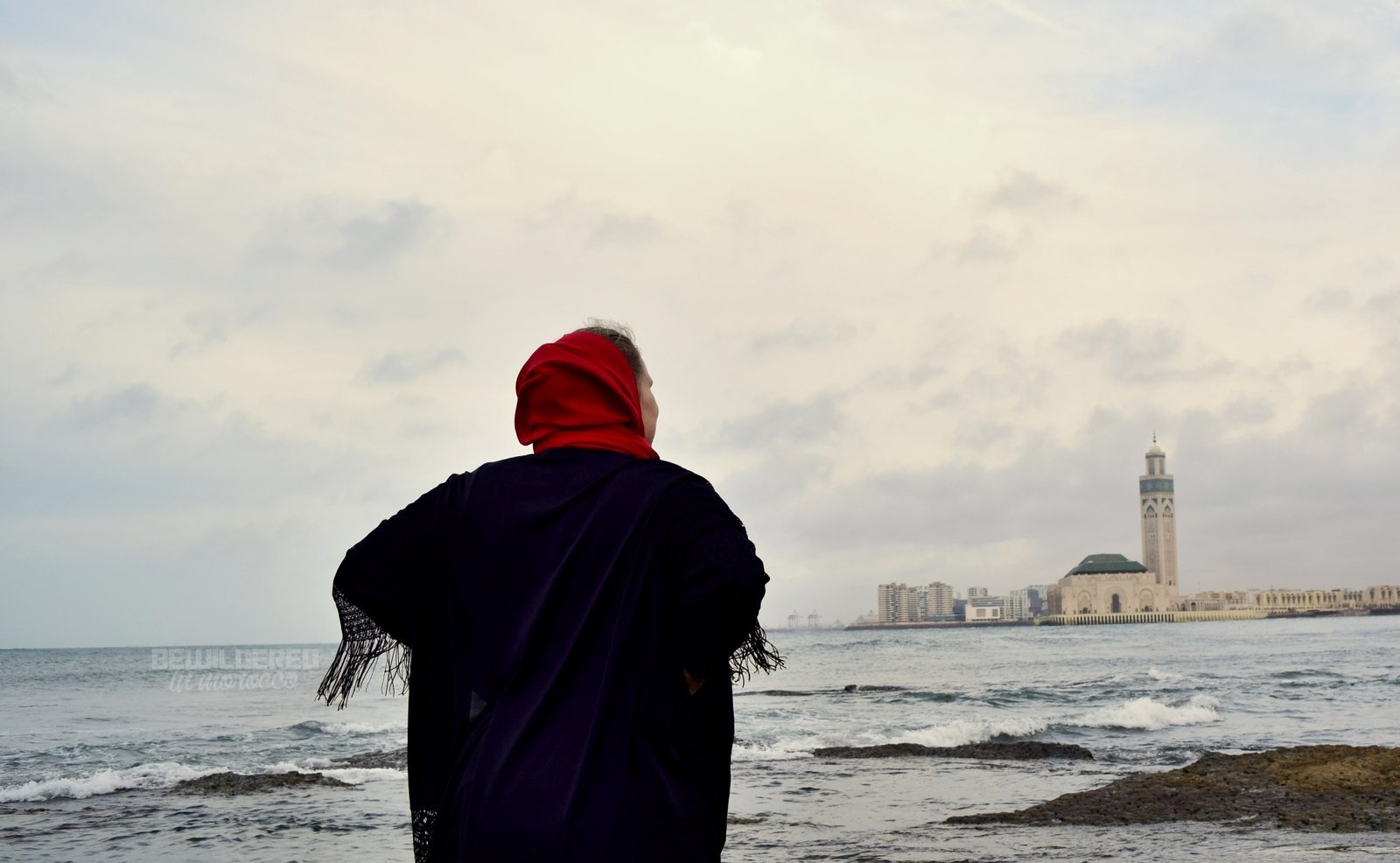
La Corniche is Casablanca’s living room by the sea. This long waterfront promenade stretches along the Atlantic coast and transforms throughout the day: morning joggers give way to families on afternoon strolls, and by evening, the cafés and restaurants come alive with young professionals and couples enjoying the ocean breeze.
Ain Diab is the beach area of the Corniche. In summer, it’s packed with families — Moroccans absolutely love their beach time. Even outside of swimming season, it’s a beautiful walk with the endless Atlantic stretching out before you.
Pro tip: Visit around sunset for the most magical light — perfect for photos. The wind off the Atlantic can be strong, so hold onto your hat! The Corniche connects to Morocco Mall at one end, making it easy to combine both into one afternoon.
9. Discover the Secret Spot Behind the Lighthouse
This is my favorite hidden gem in all of Casablanca. Behind the El Hank lighthouse, there’s a stretch of coastline that most Casablancans don’t even know about, let alone tourists. Technically it borders an old military base, surrounded by ruins of abandoned buildings.
It sounds rough — and it is, in a raw, beautiful way. There’s nothing polished here. Just you, the rocks, the ocean, and the occasional local family having a barbecue on the boulders. In summer, people swim in the natural rock pools.
I’ve sat here watching the Atlantic crash against the rocks while the sun goes down, and it’s one of the most peaceful experiences Casablanca offers.
10. Visit the Mysterious Island of Sidi Abderrahmane
Now this is a truly unusual thing to do in Casablanca. Just off the Corniche, connected to the mainland by a short causeway (until 2013 it was only accessible by boat!), sits the tiny island of Sidi Abderrahmane.
This is a place where, locals say, magic happens — literally. People come here seeking spiritual healers who can supposedly charm a spouse, cast a spell, or solve personal problems. I’m not saying I believe in all of it, but the atmosphere is genuinely fascinating. The island is a tiny labyrinth of miniature houses, narrow passages, and cats. Black cats everywhere.
Beyond the mystical reputation, what I fell in love with are the sunsets seen from the island. With the Atlantic surrounding you on all sides and the Casablanca skyline in the distance, it’s a view unlike anything else in the city.
11. Have Lunch at Rick’s Café
You can’t write about things to do in Casablanca without mentioning Rick’s Café, even though — fun fact — the classic 1942 film was shot entirely in a Hollywood studio, not in Morocco. Still, this carefully recreated restaurant captures the glamour of the movie: Art Deco décor, a grand piano, and an atmosphere that takes you back to old Hollywood.
I had lunch there (pasta and salad) and enjoyed the experience, though the food is more about the setting than the cuisine. It’s a lovely spot, especially if you’re a fan of the film. Located just outside the old medina, it makes for a natural stop after exploring the narrow streets.
Practical info: Reservations recommended, especially for dinner. Prices are higher than typical Casablanca restaurants (expect 200–400 MAD per person). Smart casual dress. Check opening times before your visit as they occasionally close for holidays.
12. Taste Your Way Through the Central Market
Marché Central (the Central Market) is located right in the heart of downtown Casablanca and it’s one of the best places to see everyday local life in action. The stalls overflow with glistening fresh fish straight from the Atlantic, mountains of colorful fruits and vegetables, fragrant spices, and trays of traditional Moroccan pastries.
I love coming here in the morning when the energy is highest. Vendors call out prices, shoppers haggle and laugh, and the smells are incredible. If you want to eat like a local on a budget, the market restaurants serve some of the freshest, most affordable seafood plates in the city.
It’s not a tourist attraction, and that’s what makes it great. This is where Casa feeds itself.
13. Experience Modern Morocco at Morocco Mall
For a completely different side of Casablanca, head to Morocco Mall — one of Africa’s largest shopping centers. I know, a mall doesn’t sound very adventurous, but hear me out. This place tells you a lot about modern Morocco. It houses international luxury brands alongside a mosque, a traditional souk section, and a massive cylindrical aquarium that’s genuinely impressive.
What fascinates me is watching how Moroccan families use the space — it’s as much a social gathering place as a shopping destination.
Budget tip: Instead of eating at the mall’s food court, venture 5–10 minutes away on foot. You’ll find local restaurants serving authentic Moroccan food at half the price. Ask any taxi driver for recommendations.
Read my complete Morocco Mall guide for the full breakdown of what’s inside.
What to Eat in Casablanca
Casablanca’s food scene deserves its own section because it’s genuinely one of the best reasons to visit. The city’s location on the Atlantic means the seafood is outstanding, and the diversity of the population means you’ll find everything from traditional Moroccan to Korean barbecue.
Must-try dishes:
- Fresh grilled sardines from the port stalls — cheap, smoky, and incredible
- Mkila — eggs cooked in tomato sauce with shrimp, a Casablanca port specialty
- Friday couscous — if you’re in Casa on a Friday, this is non-negotiable
- Traditional anise-flavored herbal drinks — perfectly iced, refreshing after walking. Around 40 MAD at cafés near the coast
- Mint tea — poured from height in the classic Moroccan style, sweet and hot
- Pastries from Pâtisserie Bennis in the Habous Quarter — legendary traditional Moroccan sweets
Where to eat on a budget: Skip the tourist-oriented Corniche restaurants and head to the port fish stalls, the Central Market restaurants, or any neighborhood restaurant in Maarif or Habous. A full meal at a local spot costs 40–80 MAD, while the same meal near the Corniche could cost 200+ MAD. For the full rundown, see my guide to the best restaurants in Casablanca.
Practical Information for Visiting Casablanca
Getting There
Mohammed V International Airport is Morocco’s largest, with direct flights from major European, Middle Eastern, and African cities. The airport train connects to Casablanca city center in about 45 minutes. If you’re already in Morocco, the train from Marrakech takes about 3 hours and is comfortable and reliable.
Getting Around
Central Casablanca is surprisingly walkable. The medina, Mohammed V Square, Sacré Coeur, and downtown Art Deco buildings are all within walking distance of each other. For the Corniche, Morocco Mall, and Hassan II Mosque, petit taxis (red taxis) are cheap and everywhere. Insist on the meter! The tramway also connects several key areas.
Where to Stay
For first-time visitors, I recommend staying in the city center near Place Mohammed V or along the Corniche. City center puts you within walking distance of the medina, Art Deco architecture, and downtown attractions. The Corniche gives you ocean views and proximity to the beach, Morocco Mall, and Hassan II Mosque. Planning a longer stay? Read my guide to Casablanca neighborhoods.
Safety
Casablanca is generally safe for tourists, with the same common-sense precautions you’d take in any large city. Stay aware of your surroundings in crowded areas, keep valuables secure, and stick to well-lit streets at night. The tourist areas (mosque, Corniche, Habous, city center) are well-patrolled and safe. Traveling alone? Read about my solo 48 hours in Casablanca, and if you’re deciding between the two imperial cities, see my Rabat vs Casablanca comparison. If you’re in town for the tournament, don’t miss my hidden CAN 2025 spots guide.
Best Time to Visit
Spring (March–May) and fall (September–November) offer the most comfortable temperatures. Summer can be hot, but the Atlantic breeze along the coast keeps things bearable. Even rainy days have their charm — watching the rain kiss the white buildings of Casablanca is its own kind of magic.
Suggested Casablanca Itineraries
One day in Casablanca: Morning: Hassan II Mosque (guided tour) → walk through the Old Medina → lunch at the port fish stalls. Afternoon: Sacré Coeur Cathedral (don’t forget the rooftop!) → Mohammed V Square → Art Deco walk through downtown. Evening: Stroll along La Corniche at sunset → dinner at a Corniche restaurant or Rick’s Café.
Three days in Casablanca:
- Day 1: Hassan II Mosque tour + museum → Old Medina → port fish lunch → Sacré Coeur + rooftop → Mohammed V Square → sunset at La Corniche.
- Day 2: Habous Quarter shopping + Pâtisserie Bennis → Art Deco walking tour → Central Market lunch → Morocco Mall afternoon → Ain Diab Beach.
- Day 3: El Hank lighthouse + secret coastline spot → Sidi Abderrahmane island → Rick’s Café lunch → afternoon at your favorite Corniche café → traditional hammam experience to end your trip.
Traveling with family? Read my Casablanca with Kids guide.
FAQs
How many days do you need in Casablanca? One full day covers the highlights including the Hassan II Mosque, the Old Medina and the Corniche. Two to three days lets you discover the hidden gems, local food spots and neighborhoods that give you the real feel of the city. At least two days is recommended.
Is Casablanca worth visiting, or should I skip it for Marrakech? Both, ideally. They are completely different experiences. Marrakech gives you the traditional Morocco of souks, riads and desert trips. Casablanca shows you modern Morocco, where real life happens, where the food is excellent, and where the Atlantic coastline adds a dimension no inland city can match. Read my full answer on whether Casablanca is worth visiting.
Is Casablanca safe for tourists? Yes, Casablanca is generally safe. Use the same common sense you would in any major city. The tourist areas are well patrolled and have a visible police presence.
Can non-Muslims enter the Hassan II Mosque? Yes. The Hassan II Mosque is one of the few mosques in Morocco open to non-Muslim visitors. Entry is through guided tours that run several times daily. The combined ticket for the mosque and museum offers the best value.
What language do people speak in Casablanca? The main languages are Darija (Moroccan Arabic), Amazigh and French. English is spoken in tourist areas and hotels but is less common in everyday life. Learning a few basic Darija phrases goes a long way and locals genuinely appreciate the effort.
What is the best area to stay in Casablanca? For tourists, the city centre near Place Mohammed V or the Corniche and Ain Diab area. For longer stays or expats, Maarif is a great choice: welcoming, walkable and full of good shops and restaurants.
Casablanca isn’t the Morocco of postcards and travel posters. It’s something better: it’s the Morocco where real life happens. A city of contrasts — where Art Deco buildings stand next to ancient medina walls, where fishermen sell their morning catch steps from luxury shopping malls, and where the Atlantic Ocean reminds you, at every turn, that you’re somewhere extraordinary.
Have you visited Casablanca? Did I miss your favorite spot? Drop a comment below — I’d love to hear about your experience!


