
When I first heard about Chefchaouen Morocco, I wondered if it was just another overhyped tourist spot. A whole city painted blue? It sounded almost too good to be true. After spending several days exploring this mountain town, I can finally answer the question everyone asks: Is Chefchaouen paradise or tourist trap?
The honest answer? It's a bit of both, and that's exactly what makes it fascinating.
Why Chefchaouen Morocco Is Painted Blue
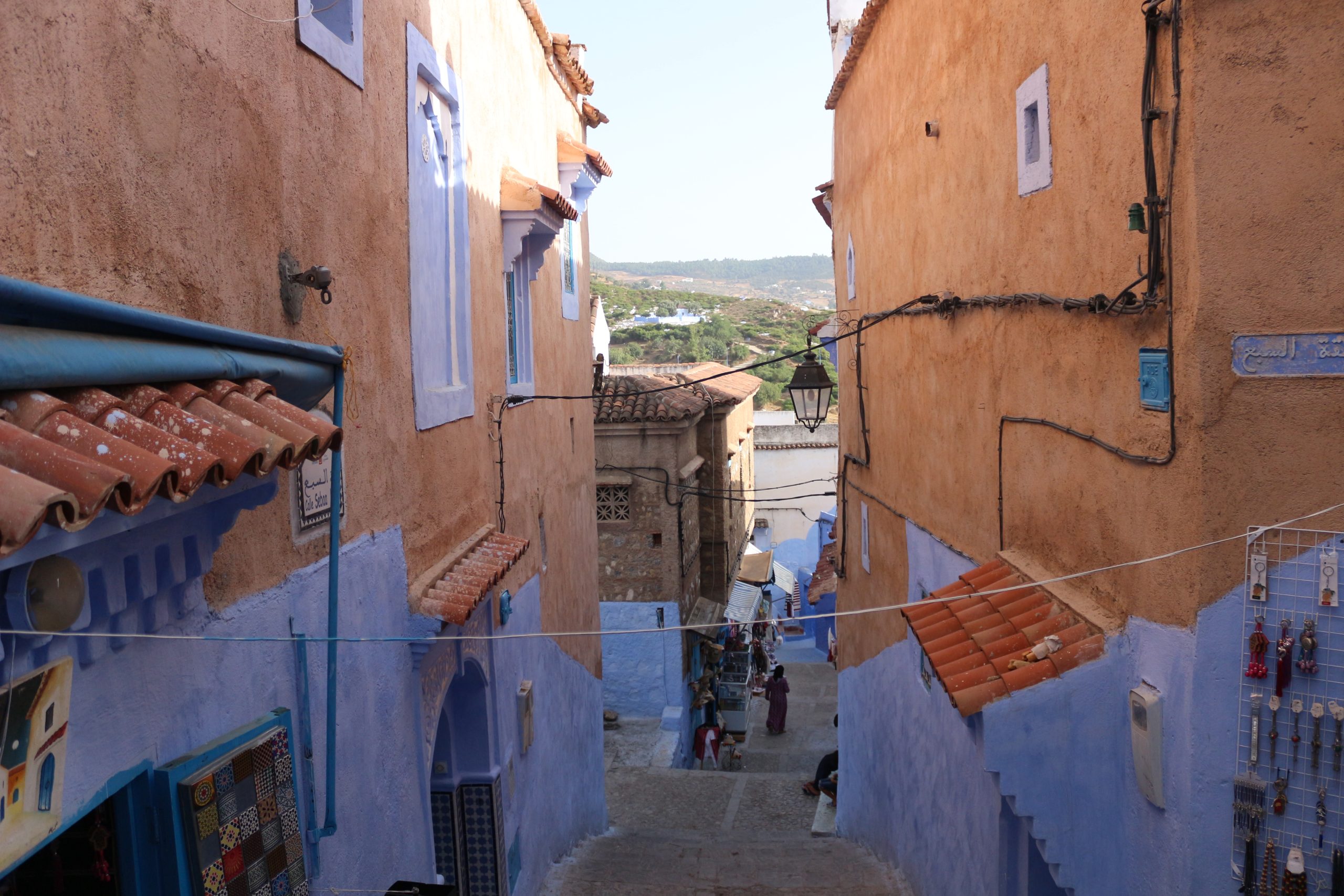
Walking through the medina at 10 AM, you'll see hundreds of tourists snapping photos of the famous blue walls. But here's what most visitors don't know about this color.
The blue paint isn't just for looks. The tradition started with the Jewish community who settled here after being expelled from Spain during the Reconquista in the 1930s. For them, blue represented the divine and the spiritual. Each family mixed their own shade using indigo plant, which grows naturally in the region. That's why you'll see every possible shade of blue as you wander the streets—from deep navy to sky blue to turquoise.
Today, residents repaint their homes regularly, keeping the tradition alive. Some still use natural indigo mixed with lime, though many now use modern pigments to get those Instagram-perfect blues.
A City Built on Secrets and Survival

Chefchaouen Morocco wasn't always open to visitors. The city was founded in 1471 by a descendant of Prophet Mohammed, but not as a tourist destination. It started as a fortress—a bastion against Portuguese invasions.
Here's something that surprised me: Until the 1920s, Christians were completely forbidden from entering Chefchaouen. The penalty for breaking this rule? Death. The locals wanted to preserve their culture and religion from colonial influence. This isolation lasted for nearly 450 years.
When Jews and Muslims fled Spain together, they built this city into something special. You can still see the Spanish influence today. Street signs are written in Spanish because Chefchaouen was under Spanish protectorate until the 1950s.
The Tourist Reality in Chefchaouen Morocco
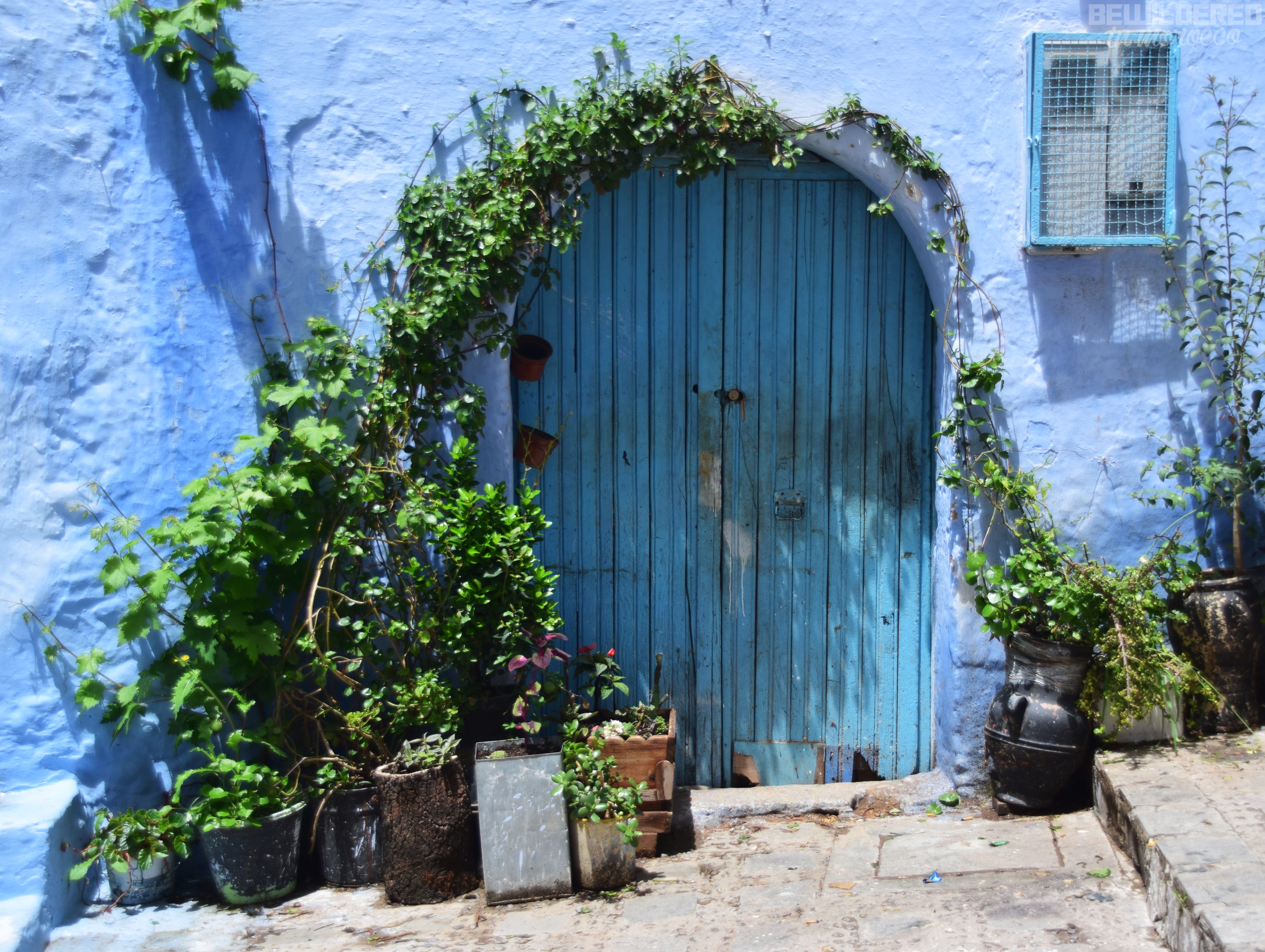
Let me be honest with you. Yes, Chefchaouen is very touristy. The main streets are packed with souvenir shops selling paintings, jewelry, and traditional crafts. Every few steps, you'll find Instagram-worthy photo spots that shopkeepers have set up specifically for tourists.
But here's what I learned: The tourist experience depends entirely on your attitude.
On my first day, I worried the constant attention from vendors would ruin the experience. Many travelers had warned me about feeling harassed in Morocco. But in Chefchaouen, something different happened.
I met a local artist in his small shop. He didn't push me to buy anything. Instead, he invited me to watch him paint, explained his techniques, and offered mint tea. When I asked about his art, he smiled and said his father taught him everything. He even wished me a beautiful journey through Morocco without expecting anything in return.
This became my normal experience in Chefchaouen Morocco. Yes, there are persistent vendors. But most people are genuinely friendly if you take a moment to connect with them. Learning a few Arabic words—just "Salam" (hello) and "Shukran" (thank you)—completely changed how people interacted with me.
Getting Lost Is the Best Advice for Chefchaouen Morocco
The main tourist streets are beautiful, but they're also crowded. My best discovery came when I deliberately got lost in the small alleyways away from the crowds.
Suddenly, I found myself completely alone on quiet blue streets. I stumbled upon artisan workshops where craftspeople worked without any tourists watching. I saw local children playing in the streets. An elderly woman carrying bread invited me to eat at her home.
These small, authentic moments exist everywhere in Chefchaouen Morocco, but you have to step off the main path to find them.
What Makes Chefchaouen Worth Visiting
The Kasbah: Where Chefchaouen Began
I paid 8 euros to enter the Kasbah, the old fortress at the heart of the medina. It was worth every dirham. This 15th-century building is incredibly well-preserved, with a beautiful garden courtyard, a small museum, and most impressively, an octagonal minaret.
That octagonal shape is extremely rare in Islamic architecture. From the top of the tower, you get 360-degree views of the surrounding Rif Mountains—green, rocky peaks that explain the city's name. "Chefchaouen" means "look at the horns" in Berber, referring to the mountain peaks that look like goat horns.
Inside the Kasbah, there's also a sobering reminder of colonial history. The prison where Abdel Krim's father died is still there. Abdel Krim was a Rif hero who defeated the Spanish colonial army in 1921, inflicting the greatest defeat of a colonial army in Africa. He later liberated Chefchaouen from colonizers in 1924.
The Food Will Make You Happy
One afternoon, I found a small restaurant serving tajine for 30 dirhams (about $3). The tajine arrived bubbling hot in a traditional clay pot. Mine had goat meat with prunes—a perfect sweet and salty combination that made me understand why Moroccan food is famous worldwide.
Don't leave without trying:
- Tajine: So many variations—chicken with lemon, beef with prunes, vegetables
- Mint tea: A true Moroccan tradition, served sweet and hot
- Amlou: The local spread made from honey, ground almonds, and argan oil (only 20 dirhams per kilo!)
- Bissara: A hearty fava bean soup that locals eat for breakfast or dinner
Sunset at the Spanish Mosque
Every evening, hundreds of people hike to the Spanish Mosque viewpoint. I joined them one night and watched the sky turn pink while the city lights flickered on below. The blue streets glowed in the fading light. It was magical, even with all the other tourists around.
The Real Chefchaouen Morocco Lives Alongside Tourism
Here's what I realized: Chefchaouen Morocco is touristy, yes. But it's also a real city where over 40,000 people live normal lives. While tourists photograph the blue medina, locals are building hundreds of new apartment buildings around the old city. Half of those are also painted blue.
The city is called "the city of peace" because the blue color supposedly calms the spirit. Walking through those peaceful blue streets surrounded by green mountains, I felt it was true. Despite all the tourism, there's something genuinely peaceful about Chefchaouen.
Practical Tips for Visiting Chefchaouen Morocco
Getting Around: Be ready to climb stairs. Everywhere. Chefchaouen is built on steep hills, and walking around is a serious workout. I started jogging through the streets in the mornings as a way to explore and exercise at the same time.
Taxis: Shared taxis to other cities can be difficult to arrange for tourists. I found that drivers often refused shared rides and insisted on private taxis (which cost 120 euros for a 2-3 hour trip to Fes versus 50 euros by bus).
Language: Street signs are in Spanish and Arabic. Many locals speak some combination of Arabic, Spanish, French, and English. Don't worry if you don't speak Arabic—people are very welcoming if you try.
Cannabis: The Rif region is the world capital of hashish production. It's common to smell cannabis and to be offered some in the streets. Remember that recreational use is strictly illegal, though Morocco legalized medical cannabis in three provinces including Chefchaouen in 2021.
Best Time to Visit: I visited in autumn and the weather was perfect—not too hot for all that stair climbing!
So, Paradise or Tourist Trap?
Chefchaouen Morocco is neither purely paradise nor purely tourist trap. It's a living city that happens to be incredibly beautiful and historically significant. Yes, you'll encounter tourist infrastructure and souvenir shops. But you'll also experience genuine hospitality, incredible food, stunning architecture, and peaceful mountain scenery.
The secret to enjoying Chefchaouen is simple: Don't just stick to the main Instagram spots. Wander the quiet alleyways. Smile at locals. Learn a few Arabic words. Accept invitations for tea. Get lost in the blue maze.
When you approach Chefchaouen with curiosity and respect instead of just hunting for photos, you'll discover why this blue city has captivated travelers for decades.
Your Turn: What Do You Think?
Have you visited Chefchaouen Morocco? Did you find it lived up to the hype, or did the tourism overwhelm the experience? If you haven't been yet, what questions do you have about visiting?
I'd love to hear about your experiences or help you plan your trip. Drop a comment below and let's talk about this magical blue city!