
Tangier has always been hard to define — and that's exactly what makes it worth exploring. Perched at the northern tip of Morocco, where the Atlantic Ocean and the Mediterranean Sea almost touch, this city carries the energy of somewhere that has never quite belonged to one world alone.
Exploring Tangier, Morocco means stepping into a place shaped by centuries of trade, storytelling, and cultural crossroads. Every street corner holds something unexpected. Every hill offers a view you won't forget.
The Grand Socco: Where Daily Life Happens Out in the Open
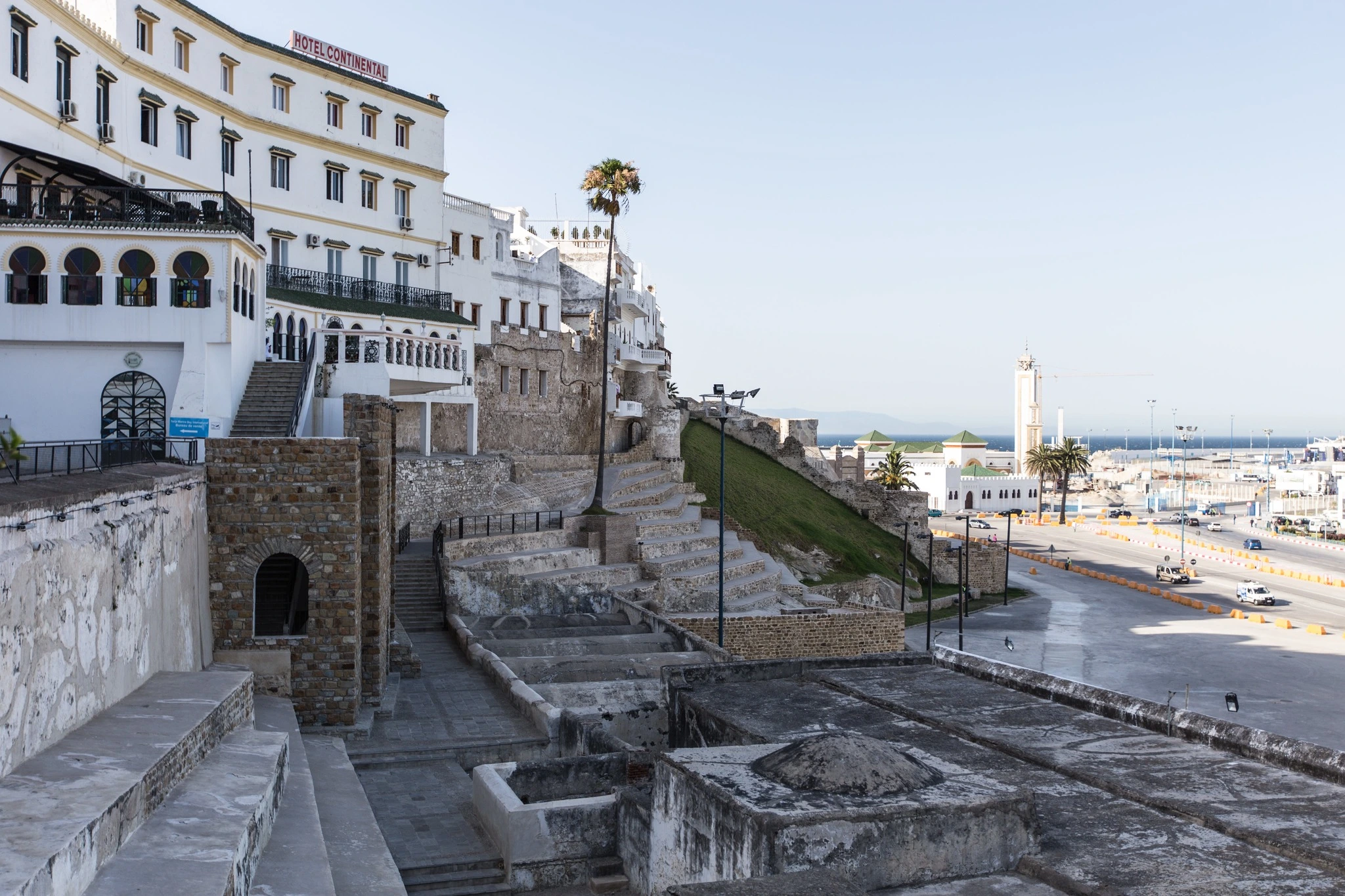
Start where locals start — the Grand Socco, the historic square at the heart of Tangier's old city. This is the kind of place where the rhythm of everyday Moroccan life plays out in full view.
The market next to the square is one of the oldest in Tangier. Stalls overflow with fresh fruit, vegetables, and spices — everything you'd need for a proper Moroccan meal. Go early, take your time, and don't be afraid to ask what anything is. Vendors are used to curious visitors.
Outside the covered market, street vendors sell calentica — a warm, savory chickpea tart. Grab one and eat it as you walk. It's cheap, filling, and genuinely delicious.
Handicrafts Worth Stopping For
Tucked among the market stalls, there are shops packed with Moroccan decorative goods — pottery, carved wooden furniture, mirrors, and hand-stitched textiles. What's remarkable is learning who makes them. In many workshops, the majority of the textile work is done by women, with skills passed down carefully through generations.
The detail on some of these pieces takes months to produce. Knowing that changes how you look at them.
The Kasbah of Tangier: Exploring Tangier Morocco From Above

No visit to Tangier is complete without climbing to the Kasbah — the ancient hilltop fortress that has watched over the city for hundreds of years. From here, you can see Tangier spread out below: white walls, terracotta rooftops, and the blue-grey sea stretching to the horizon.
The view gives the city a Mediterranean quality that surprises many first-time visitors. It's a moment that puts everything in perspective — the old medina below, the port in the distance, and the hills rolling beyond.
Just above it all sits the Fairmont Tazi Palace, a former royal residence turned luxury hotel. Even if you're not staying there, it's worth knowing it exists — a reminder that Tangier has always attracted people who wanted to be close to beauty and history at the same time.
Beyond the City: Nature, Legends, and the Edge of Two Seas
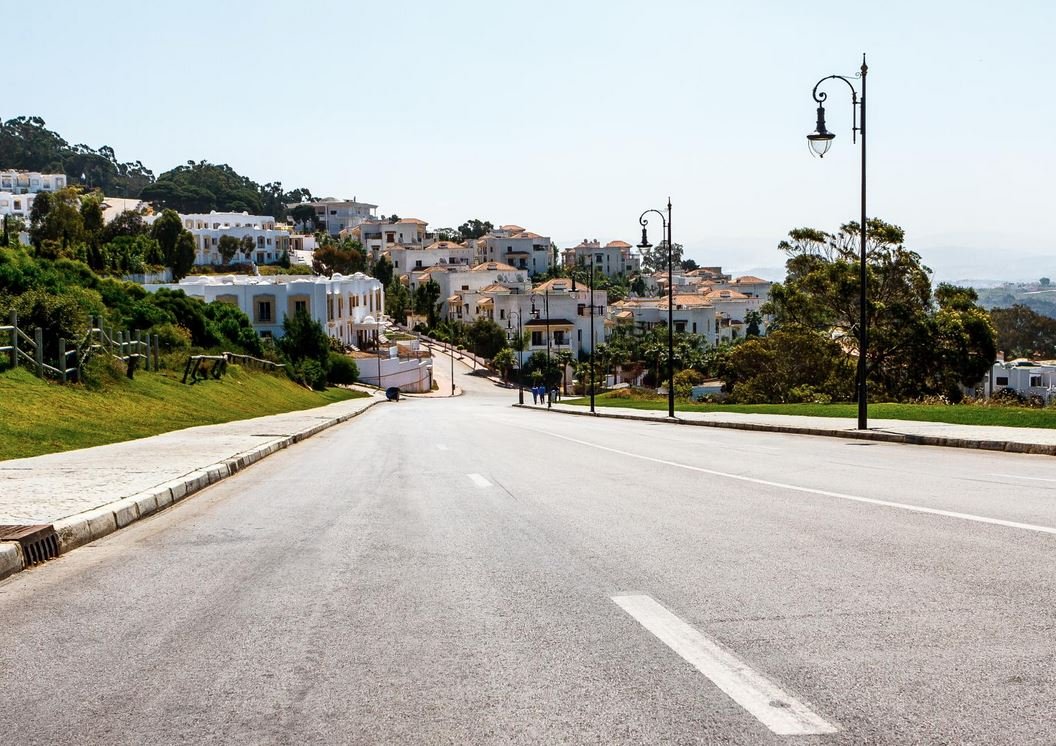
Perdicaris Park: Tangier's Hidden Green Space
Most visitors to Tangier stick to the medina. That means the Perdicaris Forest Park — also known locally as Rmilat — stays quiet, which is exactly what makes it special.
This 700,000 square meter Mediterranean forest sits on the edge of the city and is home to cork oak trees, pine, hedgehogs, turtles, and seasonal birds. Walking trails wind through the canopy, and on a clear day, you can see all the way from the Atlantic to the Strait of Gibraltar.
It's a good reminder that Tangier isn't just ancient alleyways and stone walls. Sometimes the city breathes.
Cap Spartel: Where Two Seas Become One
A short drive from the city brings you to Cap Spartel, one of the most striking spots on Morocco's coastline. This is where the Mediterranean Sea meets the Atlantic Ocean — a collision of currents so powerful that ships have needed a lighthouse here since 1864.
That lighthouse is worth looking at closely. Built as a collaboration between Morocco and several European nations, it was designed in a Moorish Andalusian style because Morocco insisted on keeping its own architectural identity in the project. The result is elegant and proud — exactly what you'd expect from a country that has always known who it is.
The Caves of Hercules: Ancient Wonder by the Shore
Further along the coast, the Caves of Hercules jut out over the Atlantic. These naturally-formed limestone caves were shaped by centuries of wind and waves, and they've been used by humans for thousands of years.
According to legend, the hero Hercules rested here during his travels. The name of his wife — Tingis — is said to be the origin of the name Tangier itself. Whether you believe the myth or not, standing at the cave entrance with the ocean crashing below, it's easy to see why this place has captured imaginations for so long.
Practical Tips for Exploring Tangier, Morocco
Getting there: Tangier is well-connected by train, bus, and ferry from Spain. From Marrakech, the train journey takes around 9 hours — long, but comfortable, and worth it for the views.
Getting around the city: The medina is best explored on foot. The streets are narrow and often steep, so wear comfortable shoes. For Cap Spartel and the Hercules Caves, take a petit taxi — negotiate the price before you get in.
Best time to visit: Spring (March to May) and autumn (September to November) offer the most comfortable temperatures. Summer can be warm, but the Atlantic breeze keeps the city cooler than other parts of Morocco.
How long to spend: Two to three days gives you enough time to explore the medina, visit the Kasbah, and make a half-day trip to Cap Spartel and the caves. Add a morning in Perdicaris Park if your schedule allows.
A quick tip: Tangier's medina is compact, but it's easy to get turned around. That's not a problem — getting a little lost is actually one of the best ways to find the parts of the city that don't appear in any guidebook.
Final Thoughts: A City That Stays With You
Exploring Tangier, Morocco isn't about ticking off a list. It's about letting the city surprise you — with a view from the Kasbah you didn't expect, a market stall that pulls you in, a lighthouse that tells you something about national pride, or a cave that makes an ancient legend feel almost plausible.
Tangier is the kind of place that sits with you long after you've left. And if you're already thinking about where to go next in Morocco, there's a lot more waiting.
Have you been to Tangier? What was the moment that surprised you most — the market, the Kasbah, or something else entirely? Leave a comment below. And if you're planning your first visit, drop your questions — happy to help you make the most of it.