
Two hours from Marrakech, I found myself standing beside a peaceful lake, surrounded by mountains that seemed to touch the sky. The air smelled of wild herbs and olive trees. A local shepherd waved as he passed with his goats. This was Ouirgane, and I knew immediately I had discovered something special.
So, is Ouirgane worth visiting? After exploring this quiet valley, meeting Berber families, and hiking through ancient villages, my answer is a clear yes. Let me show you why this mountain gem deserves your attention.
What Makes Ouirgane Special?
Screenshot
Ouirgane sits in the High Atlas Mountains, about 60-65 kilometers south of Marrakech. Unlike the busy streets of the Red City, this valley moves at a different pace. Here, you'll find traditional Berber villages that have kept their authentic character, stunning natural beauty, and warm hospitality that makes you feel like family.
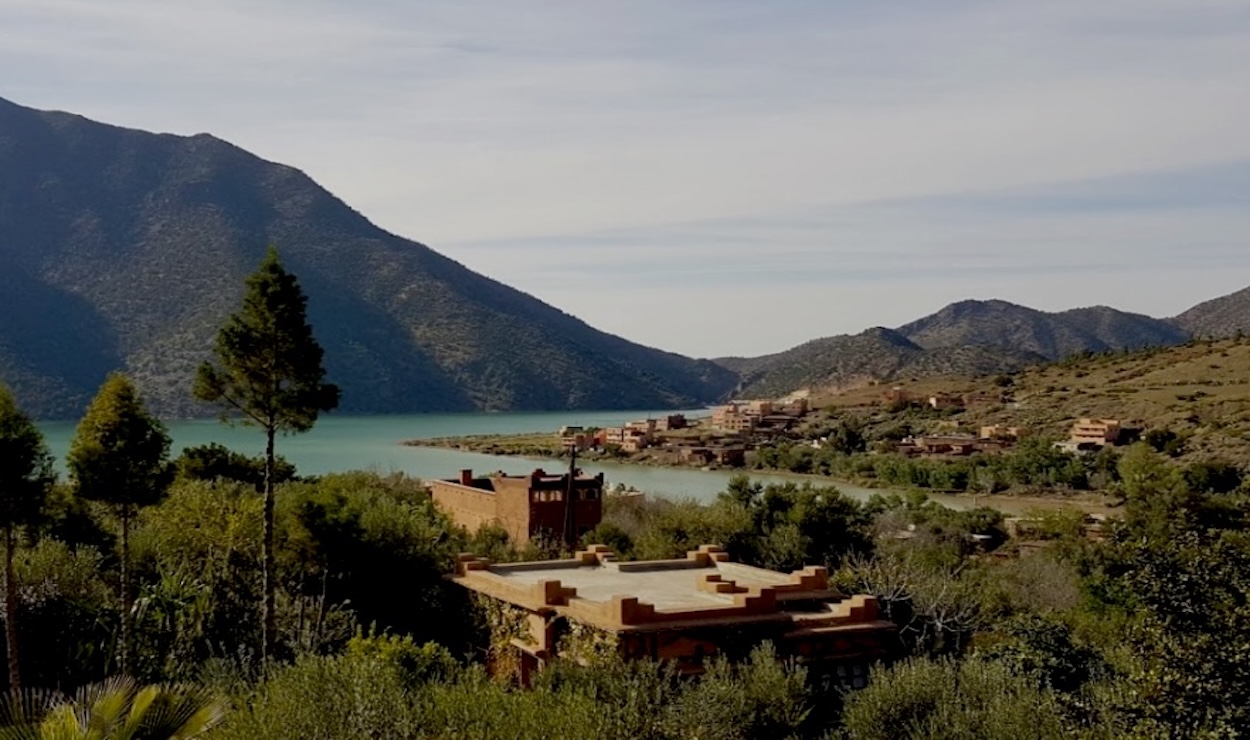
The valley cradles itself in the foothills of Morocco's highest peaks. Mount Toubkal rises in the distance, and the Ouirgane Dam creates a mirror-like lake that reflects the surrounding mountains. Fields of olive trees, almond orchards, and terraced farms paint the landscape in shades of green and gold.
Why Ouirgane Is Worth Visiting for Nature Lovers
The scenery here took my breath away. The valley offers something different from Morocco's deserts and coastal cities—a lush mountain paradise where you can breathe clean air and reconnect with nature.
The Ouirgane Dam and Lake
The dam creates the heart of the valley. On my first morning, I walked along its shores as the sun painted the mountains orange and pink. The water was so still it perfectly mirrored the sky. Locals fish here, families picnic on weekends, and photographers come for the magical light at sunrise and sunset.
Mountain Views That Inspire
From almost anywhere in Ouirgane, you can see impressive peaks. Mount Toubkal, Morocco's tallest mountain at over 4,000 meters, dominates the skyline. The changing light throughout the day transforms these mountains—soft and purple at dawn, sharp and dramatic at noon, golden at dusk.
Hiking and Outdoor Adventures

For anyone who loves walking or hiking, Ouirgane becomes a playground. The trails here suit all levels, from easy strolls through olive groves to challenging treks into Toubkal National Park.
Village-to-Village Walks
One afternoon, a local guide named Mohammed took me on a walk connecting five Berber villages. We followed dusty paths through orchards heavy with plums and figs. Children played in the streets, women waved from doorways, and men gathered at small cafes drinking mint tea.
Each village had its own character. Some clung to hillsides with narrow stone streets. Others spread across valleys with wide views. The traditional architecture—earth-colored buildings with flat roofs and small windows—has remained unchanged for generations.
Mountain Biking Through the Valley
The terrain also works perfectly for mountain biking. The routes wind through varying landscapes—rocky paths, smooth dirt roads, and trails through fragrant orchards. You can rent bikes from several lodges and explore at your own pace.
Trekking to Remote Places
More adventurous travelers can arrange longer treks toward Mount Toubkal or the Amizmiz region. Local guides know hidden paths to waterfalls, old salt mines, and viewpoints where you can see across the entire valley. These excursions take you deeper into Berber country, far from any tourist crowds.
Experiencing Authentic Berber Culture
What makes Ouirgane truly worth visiting isn't just the scenery—it's the people and their way of life. This valley has escaped heavy tourism, so the culture remains genuine and welcoming.
Meeting Local Families
During my visit, a Berber family invited me into their home for lunch. We sat on cushions around a low table as they served homemade tagine with vegetables from their garden. They spoke French and some English, and we shared stories about our different lives. Their hospitality was sincere, not performed for tourists.
Many visitors have similar experiences. The Berber people take pride in welcoming guests, and these encounters create lasting memories.
The Thursday Souk in Ouirgane
Every Thursday, the valley comes alive with its weekly market. Farmers bring fresh produce, women sell handmade crafts, and merchants offer everything from spices to household goods. I arrived early and watched as vendors set up their stalls, greeting friends they've known for decades.
The souk isn't designed for tourists—it's where locals shop and socialize. You'll find seasonal fruits, aromatic herbs, traditional bread, and handwoven textiles. Bargaining happens in Darija (Moroccan Arabic), but friendly gestures work just as well.
The nearby town of Asni also hosts a Saturday market that's equally vibrant. Both souks offer authentic glimpses into daily Moroccan life.
Traditional Crafts and Architecture
Walking through the villages, you'll notice the distinctive building style. Thick walls keep homes cool in summer, and small windows protect against winter cold. Some houses feature beautiful carved wooden doors and hand-painted details passed down through families.
Local women still practice traditional weaving and pottery. If you're interested, some families welcome visitors to watch and learn. These crafts connect directly to centuries of Berber heritage.
A Peaceful Retreat Close to Marrakech
One reason Ouirgane is worth visiting is its perfect location. The valley feels remote and peaceful, yet it's only a two-hour drive from Marrakech. This makes it ideal for a day trip, a weekend escape, or a longer retreat.
The Journey from Marrakech
The drive itself becomes part of the experience. You'll leave the city behind and wind through mountain roads lined with olive groves. Small villages appear around each curve. The landscape gradually changes from flat plains to rolling hills to dramatic mountain valleys.
You can arrange private transport through your accommodation, hire a taxi, or take a shared grand taxi from Marrakech. The shared taxis leave when full, usually carrying six passengers, and offer a budget-friendly option.
Where to Stay in Ouirgane
The valley has several excellent lodges and guesthouses. Many are eco-friendly, built with local materials and traditional designs. They offer comfortable rooms with mountain views, delicious Moroccan food, and warm hospitality.
Some accommodations include spa facilities with traditional hammams and massage services. After a day of hiking, relaxing in a hammam feels wonderful. The emphasis everywhere is on slowing down and enjoying simple pleasures.
When to Visit Ouirgane
The valley welcomes visitors year-round, but timing affects your experience.
Spring: The Best Season
Late March through early May is magical. The valley explodes with spring flowers—wild poppies, roses, and countless others I couldn't name. The fields turn bright green, temperatures stay comfortable for hiking, and everything feels fresh and alive.
During one April visit, the almond trees were blooming, covering the hillsides in white and pink blossoms. Local families were celebrating the season with outdoor gatherings. The mood was joyful and hopeful.
Other Seasons
Summer brings heat, but the valley's elevation keeps it cooler than Marrakech. Start activities early in the morning when the air is still fresh.
Autumn offers pleasant temperatures and beautiful colors as leaves change. The harvest season brings activity to the farms and orchards.
Winter can be cool, especially at night, and higher elevations might see snow. But the valley itself usually stays warmer than higher mountain areas like Imlil. Winter has its own quiet beauty, with clear skies and crisp air.
Practical Information for Your Visit
How Long to Stay
Many travelers come for day trips, which gives you a taste of Ouirgane's beauty. You can enjoy lunch, take a short hike, and visit a village before returning to Marrakech.
However, staying overnight or for a weekend lets you truly relax and explore. You'll experience the valley at different times of day, meet more locals, and find your own favorite spots.
What to Bring
Pack comfortable walking shoes, sun protection, and layers for changing temperatures. A camera is essential—the photo opportunities are endless. If you're visiting the souk, bring cash in small bills for purchases.
Family-Friendly Destination
Ouirgane works well for families. The environment is safe, the pace is relaxed, and children enjoy the animals, outdoor activities, and friendly locals. Many lodges accommodate families comfortably.
Dining Options
Most accommodations serve excellent traditional Moroccan meals. The food highlights local ingredients—fresh vegetables, olives, almonds, and aromatic spices. Some lodges offer cooking classes where you can learn to prepare tagine or Moroccan salads.
Guided tours sometimes include meals with Berber families, which provides an authentic taste of home cooking and warm conversation.
So, Is Ouirgane Worth Visiting?
After exploring this beautiful valley, meeting its people, and hiking its trails, I can say with certainty: yes, Ouirgane is absolutely worth visiting.
It offers what many travelers seek but struggle to find—authentic culture that hasn't been staged for tourists, stunning natural beauty without crowds, and meaningful connections with local people. Whether you have one day or one week, whether you're an active hiker or prefer gentle strolls, whether you travel solo or with family, Ouirgane has something genuine to offer.
The valley provides balance. It's adventurous but accessible, cultural but welcoming, peaceful but not boring. It gives you the Morocco you imagined—traditional villages, mountain vistas, warm hospitality—without the overwhelm of busier tourist destinations.
Your Turn to Discover Ouirgane
Have you visited Ouirgane or other High Atlas valleys? What drew you to the mountains, or what questions do you have about planning a visit? Share your experiences or questions in the comments below—I love hearing from fellow Morocco explorers!
If you're planning a trip from Marrakech and want to escape the city buzz, Ouirgane deserves serious consideration. Pack your walking shoes, bring your curiosity, and prepare to discover one of Morocco's most peaceful mountain treasures.