
When you step into Morocco's mountains, something shifts inside you. The air tastes different—crisp and clean. The sounds change too. You hear donkeys braying on distant slopes, the murmur of Berber voices, and sometimes just the wind moving through cedar forests. That's when you realize you've found something special. This Moroccan mountain hiking experience is nothing like trekking anywhere else.
For years, I watched travelers rush through Morocco's cities, ticking off the famous landmarks. Most never ventured beyond the medinas and desert camps. But the real magic? It lives in the mountains. The trails wind through centuries-old traditions, past villages where time moves differently, and across landscapes so stunning they almost don't feel real.
Whether you're planning your first trek or you're a seasoned mountaineer looking for your next adventure, this guide will help you prepare, discover, and truly experience what Moroccan mountain hiking offers.
Why Morocco's Mountains Matter: A Brief History
Morocco's mountains aren't just beautiful backdrops—they're the heart of the country's identity. The Berber (Amazigh) people settled these peaks long before Arabs arrived, creating communities so isolated that some villages are still only reachable on foot. That's why traditions have survived here in ways they've disappeared elsewhere.
Walk through a High Atlas village today, and you'll see life almost unchanged from centuries ago. Women still weave carpets on rooftops. Men still tend sheep using methods passed down through generations. Families gather to prepare couscous using recipes their great-grandmothers taught them. The Ahouach—a communal circle dance—still happens at celebrations, just as it always has.
During the French Protectorate in the early 1900s, European explorers raced to climb and map these peaks. Mount Toubkal's first recorded ascent was in 1923, but here's the thing: local communities had been reaching the summit for generations. They just didn't need a record book to prove it.
Understanding this history changes how you experience the mountains. You're not just trekking—you're walking through living heritage.
The Three Mountain Ranges: Your Moroccan Mountain Hiking Options
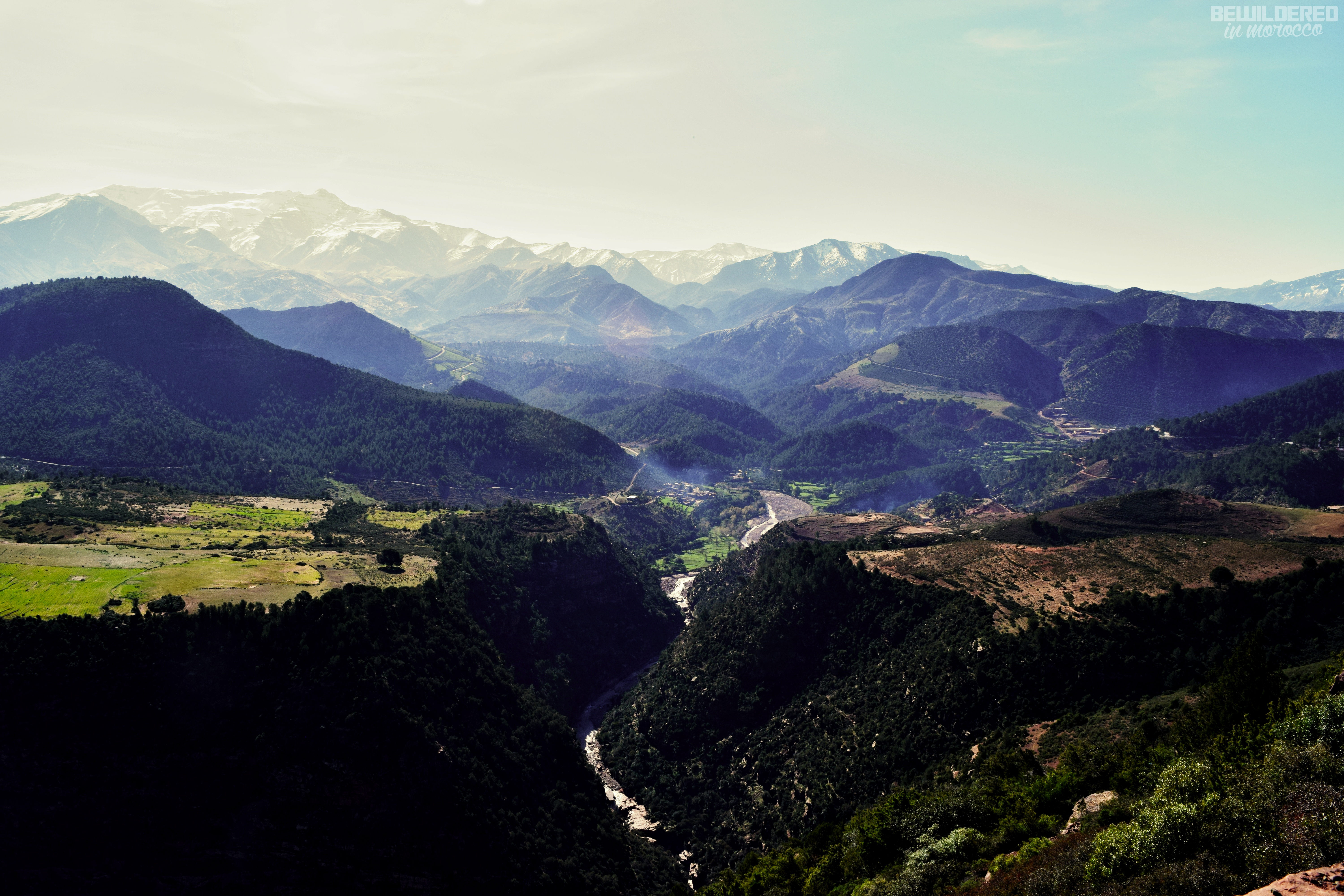
High Atlas Mountains: The Roof of Morocco
The High Atlas is Morocco's backbone, stretching over 2,500 kilometers from the Atlantic coast toward Tunisia. This range contains some of North Africa's most dramatic peaks and is home to roughly half the country's population of Berber communities.
Jebel Toubkal (4,167m) – The Classic Trek
Standing as North Africa's highest mountain, Toubkal draws hikers from around the world. Most start from the village of Imlil, just 90 minutes from Marrakech. From there, mule trails wind upward past walnut groves, shepherds' huts, and terraced fields carved into impossibly steep slopes.
The ascent isn't technically difficult—most fit people can reach the summit in two days. But Toubkal demands respect. In winter, the peak transforms into a snow-covered fortress of silence. In summer, afternoon heat can be intense. Weather changes quickly, sometimes within hours.
Pro tip: Always start early (usually around 4 AM from your overnight camp) to reach the summit and descend before afternoon storms roll in. A local mountain guide isn't essential for Toubkal itself, but they're worth it for the stories, cultural insights, and safety margin.
Ait Bouguemez (The Happy Valley)
If Toubkal feels too intense, discover Ait Bouguemez instead—a peaceful valley locals call "the Happy Valley" for good reason. Green pastures roll between earth-red villages. Mountains hug the valley on all sides like protective arms. In spring, when cherry blossoms burst across the landscape, the entire valley looks like someone painted it.
Walking here feels gentler than other High Atlas trails, but that doesn't mean it's less rewarding. You'll meet shepherds, sit in family homes, and taste food that tastes like it came from the earth itself.
MGoun Massif – Less Crowded, More Wild
Want to escape the Toubkal crowds? The MGoun Massif offers wild landscapes, deep gorges, and multi-day trekking options. The crowds thin considerably here, but the scenery rivals any peak in the range.
Here's something beautiful: locals often invite hikers in for mint tea. They do this because hospitality isn't a tourism strategy—it's part of their culture. That tea, sipped in a Berber home after a full day of hiking, tastes like generosity itself.
Rif Mountains: Northern Treasures
If the High Atlas is Morocco's backbone, the Rif Mountains are its gentle northern shoulder. Lush and green, these hills roll across the north near Chefchaouen, famous for their cedar forests and cascading waterfalls.
Talassemtane National Park
Rugged cliffs rise dramatically from cedar forests. Trails wind through valleys alive with wildflowers, especially in spring. The park sits close enough to Chefchaouen's famous blue-washed medina that you can combine a mountain hike with a day exploring the town—a perfect pairing.
Akchour Waterfall to God's Bridge Trail
Most tourists visit the waterfall at Akchour and call it a day. Few discover what lies beyond. There's a natural stone arch—called "God's Bridge" by locals—carved high above a rushing river. The water below is cool and clear. In the right light, the whole scene feels almost otherworldly.
One afternoon, I hiked this trail and met a group of friends sharing their picnic under the shade of ancient trees. We didn't speak the same language, but we shared bread, cheese, and the kind of laughter that needs no translation. That's the Rif Mountains for you—unexpectedly warm and welcoming.
Anti-Atlas: Southern Wilderness
The Anti-Atlas forms Morocco's southern spine, a rugged landscape of ancient peaks, dramatic gorges, and small Berber villages that see fewer tourists than anywhere else in the country.
Ameln Valley Near Tafraoute
Pink granite boulders glow almost red at sunset in this often-overlooked valley. Locals paint rocks with mysterious symbols. In spring, almond blossoms create a white-and-pink wonderland that photographers dream about.
This valley feels remote and wild, but it's also deeply welcoming. Visit the small town of Tafraoute for painted rocks and artistic energy, then venture into the valley trails for solitude and stunning geology.
Jebel Sirwa – Remote Adventure
For those craving true wilderness, Jebel Sirwa offers volcanic ridges, ancient kasbahs, and views that stretch all the way to the Sahara on clear days. The remoteness means fewer people and more of that authentic mountain experience—exactly what many hikers travel thousands of miles to find.
What Makes Moroccan Mountain Hiking Unique?
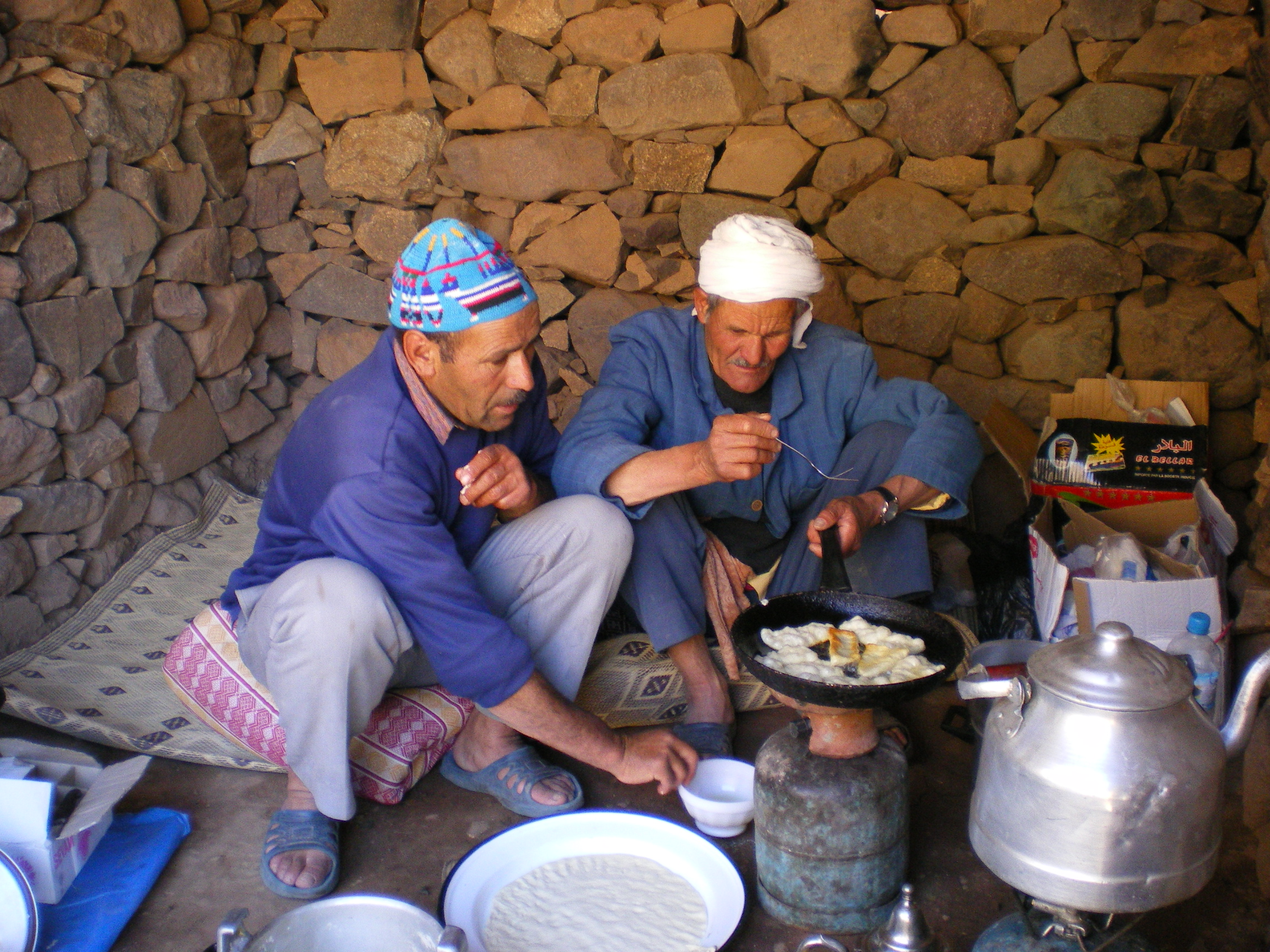
Berber Hospitality That Touches Your Soul
In most hiking destinations, you pass through villages as an outsider looking in. In Morocco's mountains, something different happens. People invite you into their homes for tea, bread, or a simple meal. They do this without expectation of payment or social media mention. It's just how they live.
This hospitality stems from the Islamic concept of diyafa—the duty to welcome strangers. When someone offers you tea in the mountains, they're honoring a centuries-old tradition. Accepting matters. Refusing can seem disrespectful, and frankly, you'd be missing out on one of the most genuine moments of your trip.
Ever-Changing Scenery in a Single Day
Moroccan mountain trails shift constantly. One moment you're scrambling over rocky ridges where every handholds counts. The next, you're walking through pine and cedar forests where sunlight filters through needles. Then suddenly, a river valley opens before you, and the landscape becomes lush and green.
This variety keeps hiking interesting and prepares you for changing weather and conditions.
Ancient Traditions Still Alive
Summer transhumance—the seasonal moving of livestock to fresh grazing lands—still happens much as it did centuries ago. Seasonal festivals celebrate harvests. Mountain villages use age-old farming methods and build homes with thick mud walls and intricate tilework called zellige.
Living history surrounds you on every trail.
Simplicity as a Strength
Mountain villages don't have shopping centers or convenience stores. They have what they need: terraced fields, livestock, family connections, and time. Experiencing this simplicity offers something we've mostly forgotten in modern life—presence.
Wildlife Worth Watching
Keep an eye out for Barbary apes in the Rif Mountains—one of the world's few macaque species found outside Asia. The Anti-Atlas hosts wild thyme, distinctive cacti, and desert animals adapted to harsh terrain. The High Atlas mountains shelter golden eagles, lammergeiers, and Barbary leopards (increasingly rare but present).
Practical Guide: When to Hike and What to Bring
Best Times for Moroccan Mountain Hiking
High Atlas Mountains: April to June and September to November offer ideal conditions. Summer heat (especially July-August) can be intense at lower elevations, though higher peaks stay cool. Winter brings snow to Toubkal and other high peaks—beautiful but potentially dangerous without alpine experience.
Rif Mountains: Year-round hiking is possible, but spring (April-May) shows the landscape at its most vibrant. Wildflowers bloom, temperatures are mild, and villages feel alive with post-winter energy.
Anti-Atlas: October to April is perfect. Summer heat here is genuinely dangerous—temperatures soar above 40°C (104°F), and water sources dry up. Winter and spring offer comfortable conditions and stunning light.
Essential Packing List for Moroccan Mountain Hiking
- Hiking shoes or boots – Trails can be rocky and uneven. Proper footwear prevents twisted ankles and foot pain.
- Layers – Mornings are cool; afternoons can warm up. High elevations get cold even in summer.
- Sun protection – Hat, sunscreen (SPF 50+), and sunglasses are non-negotiable.
- Water bottle – Refillable and durable. Streams sometimes dry up, especially in summer.
- Light snacks – Nuts, dates, dried fruit, or energy bars keep energy steady.
- First aid basics – Blister treatment and pain relief matter more than you'd think.
- Map or offline GPS – Cell service is unreliable in mountains.
- Phrasebook or translation app – Even a few words of Darija (Moroccan Arabic) or Tamazight open doors.
- Modest clothing – Respect local culture by covering arms and legs, especially in villages.
Guide or Solo?
Exploring well-marked routes like Toubkal or Akchour solo is possible if you're experienced. For remote areas or first-time trekkers, hiring a local guide transforms the experience. You'll learn things no guidebook covers. Your money supports local families. And frankly, you'll hike safer and have someone to share the good moments with.
Key Attractions: Beyond the Main Trails
Mountain Markets (Souks)
Mountain souks overflow with energy and color. Try the Monday souk in Imlil or Thursday market in Azilal. The smells—spices, grilling meats, fresh mountain cheese—are unforgettable. These aren't tourist markets. They're where locals buy and sell what they need, and you get to witness real mountain commerce.
Mountain Kasbahs and Guesthouses
Many old kasbahs (fortified houses) have been converted into guesthouses. Staying overnight in one offers warmth, authentic meals, and the chance to sit with families. Mountain couscous and tagine prepared traditionally taste completely different from restaurant versions—earthier, richer, somehow truer.
Waterfalls and Natural Pools
Ouzoud Falls in the Middle Atlas cascade dramatically and offer natural swimming pools. Akchour near Chefchaouen combines waterfall beauty with hiking adventure. Izourar Lake in the High Atlas sits high and remote, surrounded by peaks.
Locals love these spots for picnics and swimming. You can too.
Seasonal Festivals
The rose festival in Kelaat M'Gouna celebrates the region's famous roses. Mountain villages host harvest celebrations with traditional music and dancing. Attending these events (if timing works) offers windows into Berber culture that tourists rarely see.
Staying Safe and Respectful: Mountain Ethics
Before You Go
- Tell someone your planned route, especially if hiking alone or during off-season.
- Check weather forecasts and conditions with local guides or guesthouses.
- Start early to avoid midday heat and afternoon storms.
- Carry cash; most villages lack ATMs.
During Your Hike
- Dress modestly. Women should especially cover arms and legs out of respect for local culture.
- Ask permission before photographing people or inside homes—most will say yes once asked.
- Support local businesses: eat in small restaurants, buy handmade souvenirs, hire local guides.
- Stay on established paths to prevent erosion and respect private property.
Sustainable Hiking Practices
Morocco's mountains are fragile. They stay beautiful only if we help protect them.
- Take all trash back with you. Leave nothing behind except footprints.
- Use refillable water bottles instead of buying plastic bottles in villages.
- Avoid picking wildflowers—let others enjoy them too.
- If using mules for gear, ensure they're healthy and well-cared for. Ask guides about their practices.
- Stay in family guesthouses rather than large resorts when possible. Money goes directly to communities.
What the Mountains Teach
Every hike in Morocco's mountains changes something inside. They teach patience—some trails really are longer than they look, and no amount of rushing makes them shorter. They teach humility—you'll be outpaced by a local grandmother carrying a sack of barley like it weighs nothing. They teach the joy of simple moments: watching the sun slip behind a ridge with a glass of tea in your hand, meeting a child who smiles without reason, sharing bread with someone whose language you don't speak.
Whenever I leave the mountains, my legs feel tired. My boots are dusty. My camera overflows with photos. But my heart feels lighter—warmed by moments that can't be photographed or easily described. That's what Moroccan mountain hiking offers: not just beautiful views, but a different way of being in the world.
Ready to Explore? Share Your Mountains Journey
This is where your adventure begins. Whether you choose Toubkal's iconic summit, the peaceful valleys of Ait Bouguemez, the hidden waterfalls of the Rif, or the remote wilderness of the Anti-Atlas, Morocco's mountains are waiting.
What draws you to mountain hiking? Are you planning a trip to one of these ranges? Have you already explored Morocco's peaks? Drop a comment below—I'd love to hear your stories, questions, or recommendations. If you've hiked these trails, what moments surprised you most?
And if you're just beginning to dream about Moroccan mountain hiking, let's talk about how to make it real. Comment with your questions about timing, difficulty, or what to bring—fellow hikers and I will help guide you.
Ready for more travel guides? Subscribe to Bewildered in Morocco to receive new hiking guides, cultural insights, and practical tips delivered to your inbox. Let's explore Morocco's magic together.