
Salam, friends! Hassan here. Today, I want to share with you the final leg of my Morocco coastal journey that took me along the beautiful Atlantic shoreline between Agadir and Essaouira. This particular stretch of coast holds a special place in my heart – it's where powerful waves meet ancient culture, where surfers and fishermen share the same waters, and where modern changes are reshaping traditional coastal towns.
This trip was different from my usual adventures. While I'll show you the stunning landscapes and hidden gems I discovered, I also want to share some honest conversations I had with local Moroccans about the changes happening in coastal towns like Imsouane. It's important to see both the beauty and challenges of a place to truly understand it.
So come with me as we explore these three distinctive coastal treasures – each with its own character, charm, and story to tell.
Starting the Journey: Relaxing in Natural Hot Springs
Before hitting the coastal road, I treated myself to something special – a few days at natural hot springs inland. I must confess, as someone who's been living a nomadic lifestyle for years, the one luxury I truly miss is a good bath! So whenever I find natural hot springs, I'm overjoyed.
These springs were truly magical. Sometimes I had them all to myself, enjoying peaceful moments in the warm, mineral-rich waters. Then suddenly, the atmosphere would transform as Moroccan families arrived for the day. They'd bring tajines to cook, children would splash and play in the water, and the whole place would buzz with laughter and conversation.
The springs became especially busy on weekends when they'd fill with so many local families that there was barely room to squeeze into the water! With around thirty children packed into the bath, these springs became a wonderful place to experience authentic Moroccan family life – chaotic, warm, and incredibly welcoming.
Travel Tip: When visiting natural hot springs in Morocco, try going on weekdays for a quieter experience. If you want to immerse yourself in local culture, weekends offer the full Moroccan family experience – bring patience and a smile!
The Coastal Road: Morocco's Atlantic Treasures
Taghazout: Where Camels Might Become Friends
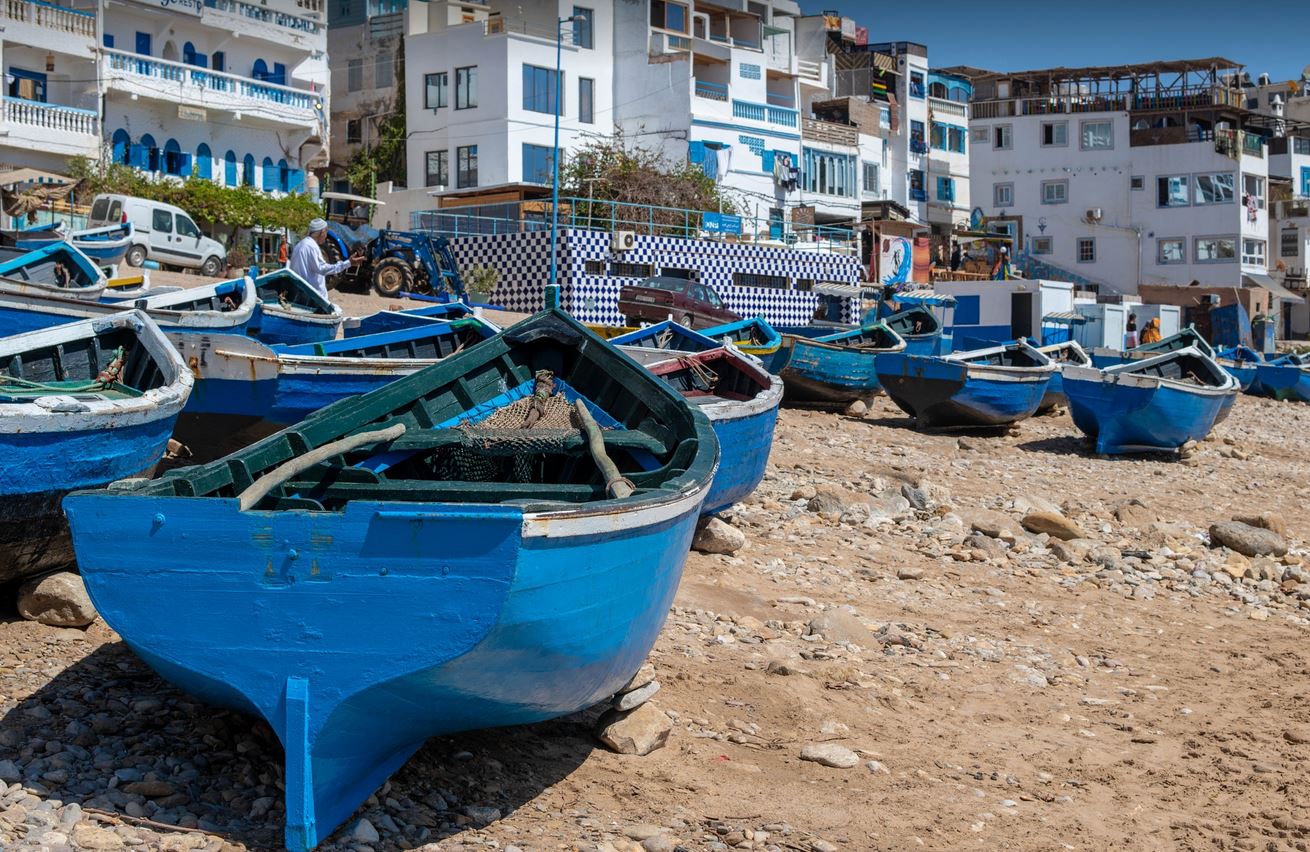
After my hot spring retreat, I hit the road again and made a short stop near Taghazout, a small fishing village that has become a surfer's paradise. I parked my camper near the beach, and to my surprise, I had an unexpected visitor – a friendly dromedary camel who decided to hang out next to my vehicle!
This gentle giant was so charming that I was tempted to adopt him as a travel companion. We spent some time together before I reluctantly had to be sensible and continue my journey. But that unexpected encounter is exactly what makes travel in Morocco so special – you never know what surprise awaits around the corner!
Taghazout itself is a laid-back coastal village that has transformed in recent years. What was once a quiet fishing community has become a popular destination for surfers from around the world. Despite this change, it still maintains much of its authentic charm, with small cafés serving fresh fish and locals going about their daily routines alongside visitors.
Local Insight: If you visit Taghazout and see camels on the beach, remember they usually have owners nearby. Always ask permission before approaching or photographing them. A small tip is appreciated if you want to take pictures or interact with the animals.
Imsouane: Africa's Longest Wave and Recent Changes
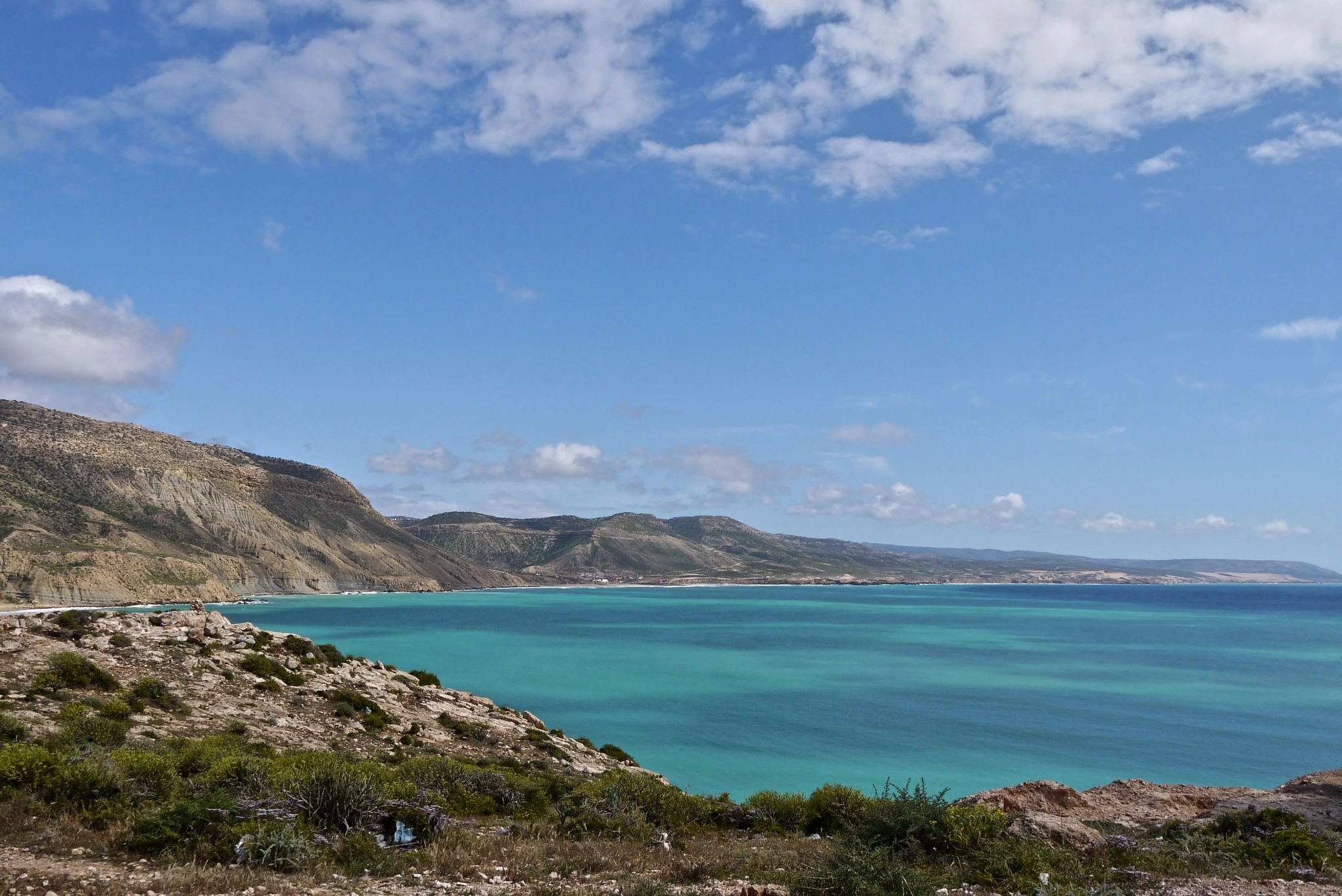
My next stop was Imsouane, a place known to surfers for having the longest wave in Africa – an impressive 800-meter ride! Though I'm not a surfer myself, I could appreciate why this spot draws wave enthusiasts from across the globe.
Upon arriving in Imsouane, I met Mohamed, a friendly local who offered to show me around the village. This is one of the things I love most about Morocco – the genuine hospitality of its people and their eagerness to share their culture and knowledge with visitors.
Mohamed pointed out a beautiful village across the way, explaining it was worth visiting but difficult to access without a 4x4 vehicle. My camper van definitely wasn't up for that challenge, so it remains a mystery spot on my map – something to explore on my next visit perhaps!
One thing I noticed immediately while walking with Mohamed was how proud he was to share the Amazigh (Berber) names of places. This cultural pride is something I've encountered throughout Morocco – a sincere desire to preserve and share indigenous heritage that makes learning about the country so enriching.
The Cathedral Viewpoint
Mohamed took me to a spot called "Cathedral" where you can watch waves crash dramatically against the rocks. The view was absolutely breathtaking – the raw power of the ocean meeting the rugged coastline creates a natural spectacle that no photograph can truly capture. I stood there for what felt like hours, mesmerized by the rhythm of the waves.
Must-See Spot: When in Imsouane, don't miss the Cathedral viewpoint. Go during the late afternoon when the light turns golden and the waves are illuminated beautifully. It's an excellent spot for photographers!
Understanding Changes Along Morocco's Coast: Imsouane's Transformation
My visit to Imsouane happened to come at a significant moment in the town's history. As I walked along the beach with Mohamed, I noticed many tents and makeshift shelters. These, I learned, were homes for people displaced by recent demolitions that had occurred about a year earlier, in early 2024.
Mohamed explained that many houses along the coastline had been demolished as part of what authorities called a "liberation of the public maritime domain." While many of these homes weren't technically legal on paper, they had stood for years – some for decades – without issue. Suddenly, residents were given just 24-48 hours to leave.
I wanted to learn more about this situation, so I met with another local who preferred to remain anonymous. This person showed me areas where demolitions had taken place and shared several possible explanations for the authorities' actions.
Safety Concerns and Development
According to my guide, some homes had been built in the riverbed – a dangerous location that could lead to disaster during the rare but powerful flash floods that can occur in Morocco's typically dry landscape. When it rains here, the parched ground can't absorb water quickly, leading to sudden and destructive flooding.
Other destroyed homes had been built on the corniche (cliff edge) on friable soil, with some even having excavated beneath other houses, potentially destabilizing the cliff face. These safety concerns could explain some demolitions.
However, my guide pointed out inconsistencies that made the situation difficult to understand. Some surf shops were demolished while others nearby were spared, despite some of the demolished businesses having paid taxes and held permits for years.
What was clear was the ongoing construction of new tourist complexes in Imsouane. Official signs at the village entrance announced these development projects, which some locals connected to Morocco's preparations for hosting major sporting events like the Africa Cup of Nations and the World Cup.
While walking through areas where demolitions had occurred, I could still see rubble from the former homes. The government was also conducting river management work to protect upstream houses – raising questions about whether similar protections could have been extended to the demolished homes instead.
Reflective Moment: Standing there looking at the construction sites, I felt conflicted. While I understand the need for safety and development, seeing charming traditional homes replaced by modern tourist complexes made me a bit sad. But as a visitor, I recognize it's not my place to judge – each country must chart its own development path.
A Hasty Departure to Essaouira

I had planned to spend more time exploring Imsouane, but life had other plans. My dog Hermione suddenly fell ill, and I had to rush to Essaouira to find a veterinarian. Thankfully, she received good care and recovered well, but our unplanned visit gave me a chance to briefly explore Essaouira's famous medina.
Essaouira: The Windy City by the Sea
Essaouira, also known as the "Wind City of Africa," has a completely different character from Imsouane and Taghazout. A UNESCO World Heritage site, this fortified coastal city has massive stone ramparts that have stood guard against the Atlantic for centuries.
My impromptu tour began with a taxi ride into the center, where the rhythmic sound of horse-drawn carriage hooves echoed on the pavement – a reminder of how traditional and modern life blend seamlessly in Morocco.
Before diving into the medina (walled old city), I took a stroll along the beach adjacent to the great ramparts. The wide, sandy shore stretches for kilometers, with the ancient stone walls providing a dramatic backdrop. The constant wind that gives Essaouira its nickname makes it popular for kitesurfing and windsurfing.
Wandering the Historic Medina
Passing through the impressive gates of the medina, I entered a world of narrow alleyways, blue and white buildings, and artisan workshops. Essaouira's medina feels more relaxed and less overwhelming than those in larger cities like Marrakech or Fez, making it perfect for unhurried exploration.
During my walk, I happened upon a woodworker practicing the art of marquetry – a traditional craft that Essaouira is famous for. This intricate technique involves inlaying different types of wood to create detailed patterns and images. I was so captivated by the craftsman's skill that I couldn't resist purchasing some pieces as souvenirs of my journey.
Shopping Tip: Essaouira is known for its high-quality woodwork, especially items made from local thuya wood. Watch artisans at work before buying to appreciate the skill involved and to ensure you're getting authentic handcrafted items.
My brief visit ended with a leisurely wander through the charming streets of the medina. Even though my time in Essaouira was cut short, the city left a strong impression – its unique atmosphere created by centuries of cultural exchange as a major port city is something that stays with you.
Reflections on My Morocco Coastal Journey
Over the three months I spent traveling through Morocco, I witnessed incredible landscapes, connected with wonderful people, and immersed myself in the rich Amazigh culture. This final coastal stretch between Agadir and Essaouira offered a perfect conclusion to my journey – showcasing both Morocco's natural beauty and its evolving identity.
What struck me most was the contrast between preservation and development along this coastline. While change is inevitable and often necessary, finding the balance between progress and protecting what makes these places special remains a challenge – not just in Morocco, but worldwide.
I left with a tattoo (a story for another blog post!) and countless memories of my Morocco coastal journey. Now back in my home, I'm already planning my next Moroccan adventure. There's still so much more to discover and share with you all!
Final Thought: Morocco's Atlantic coast offers something for everyone – from world-class surfing spots to historic cities, natural wonders to cultural experiences. Whether you're seeking adventure, relaxation, or cultural immersion, this coastline deserves a place on your travel list.