
When I first heard about Taliouine, I was planning a road trip from Taroudant to Ouarzazate. Friends kept mentioning this small town in the Anti-Atlas Mountains, calling it the "Saffron Capital of Morocco." Honestly, I wondered—is Taliouine worth visiting, or would it be just another quick stop along the way?
After spending time there, I can tell you this: Taliouine surprised me in the best way possible. This isn't a place for luxury resorts or bustling nightlife. Instead, it offers something far more valuable—a genuine connection to Morocco's agricultural heart, Berber traditions, and landscapes that make you stop your car just to take it all in.
Why Taliouine Deserves Your Attention

Taliouine sits quietly between the Anti-Atlas and High Atlas foothills. Most travelers rush past it on their way to bigger destinations, but that's exactly what makes it special. The town has kept its authentic character precisely because it hasn't been overrun by tourism.
The main reason people visit Taliouine is saffron—that precious red spice that costs more than gold. This region produces some of the world's finest saffron, and watching the harvest process changed how I think about the food we eat. But there's more to this place than just one crop.
The Red Gold Experience: Saffron Up Close

Walking through a saffron field during harvest season feels almost sacred. The delicate purple crocus flowers bloom for just a few weeks each year, from late October to November. Local farmers wake before dawn to pick these flowers by hand, then carefully extract the tiny red threads—all before the sun gets too strong.
At the Coopérative Souktana du Safran, a kind woman named Fatima showed me the entire process. She explained how it takes 150 flowers to produce just one gram of dried saffron. When you understand the work involved, you realize why this spice is called "red gold."
The Maison du Safran serves as a central information point where you can learn about cultivation techniques passed down through generations. What I appreciated most was the honesty—the cooperative members don't just sell saffron, they share their knowledge freely. You leave understanding why Taliouine saffron is considered among the best globally.
Mountains, Gorges, and Trails That Take Your Breath Away
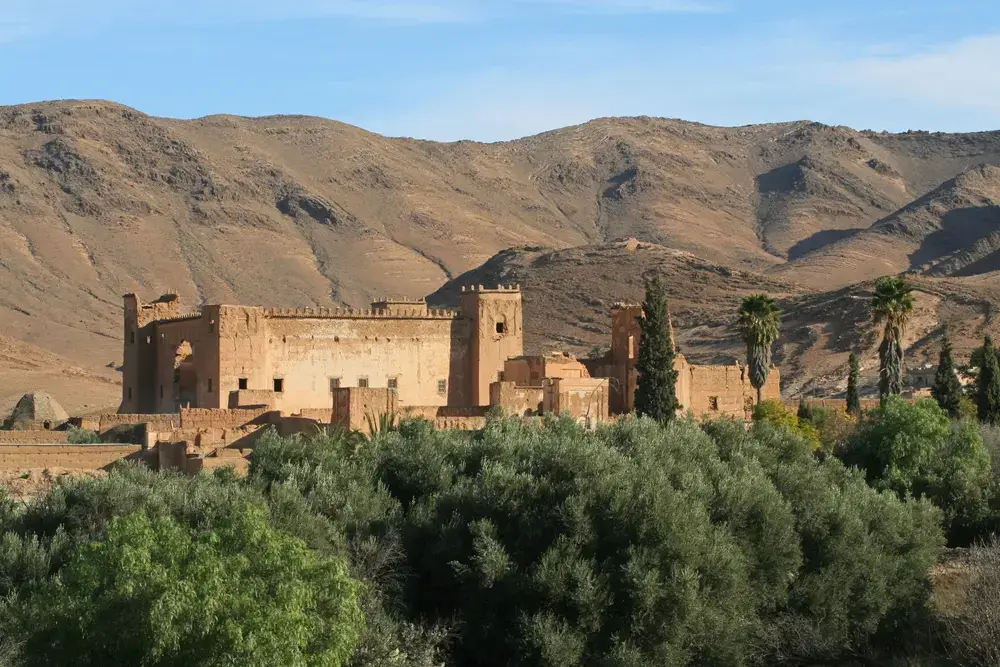
My background in construction makes me notice landscapes differently. The rock formations around Taliouine tell stories millions of years old. The Tislit Gorges, just a short drive from town, feature dramatic cliffs and peaceful green spaces that seem impossible in this dry climate.
I spent an afternoon hiking toward the Siroua Mountains. The trail wasn't difficult, but it rewarded me with views across the Anti-Atlas range that stretched forever. You can spot traditional Berber villages clinging to hillsides, their earth-colored buildings blending perfectly with the mountains.
The beauty of hiking here is the variety. Whether you want a gentle two-hour walk or a full-day mountain trek, the trails around Taliouine accommodate different fitness levels. Spring and autumn offer the best weather, though November's cooler temperatures made my hike especially pleasant.
Berber Culture That Hasn't Been Packaged for Tourists

Taliouine feels real in a way that some Moroccan tourist destinations don't. The Old Town of Sovila has existed for over a thousand years, and walking its narrow streets, you sense that history. The Kasbah du Glaoui stands as a reminder of the region's strategic importance, its thick walls and traditional architecture demonstrating the building techniques my construction background finds fascinating.
Every Monday, the weekly souk transforms the town. This isn't a tourist market—it's where locals come to buy vegetables, sell livestock, and catch up with neighbors. The energy is incredible. Vendors arrange pyramids of spices in every shade of red and orange. Women in colorful traditional dress bargain over fresh produce. Men drink tea and discuss business in the shade.
I bought saffron at the souk, along with some locally woven blankets. The trader who sold me the saffron invited me for tea and spent thirty minutes explaining how to tell authentic saffron from fake versions. That kind of genuine interaction is rare in more touristy places.
The Saffron Festival: Setting Realistic Expectations

Many articles mention Taliouine's November Saffron Festival, so I want to be honest about what to expect. Unlike the vibrant festivals you might imagine—with music, dancing, and street celebrations—this event functions more as a business trade fair.
Saffron producers, buyers, and agricultural experts gather to discuss crops, prices, and techniques. It's fascinating if you're genuinely interested in agritourism or want to understand the saffron trade. But if you're expecting Moroccan festival entertainment with musicians and performers, you might feel disappointed.
That said, the festival does offer a unique window into how important saffron is to this region's economy and identity. You'll see the pride locals take in their product and understand why they work so hard to maintain quality standards.
Practical Details for Your Taliouine Visit
Let me share some practical information that helped make my visit smooth. Taliouine sits along the road between Taroudant and Ouarzazate, making it easy to include in a southern Morocco road trip. The drive itself is spectacular—especially the Taznakht-Taliouine crossing, which offers constantly changing desert views.
Accommodation options are modest but clean and welcoming. I stayed in a small guesthouse where the owner's wife cooked traditional tagine for dinner. The room was basic—clean bed, working shower, WiFi that mostly worked—but the hospitality made up for any lack of luxury. Prices are very reasonable compared to Marrakech or Fes.
The best time to visit Taliouine is definitely during the saffron harvest from late October to November. The fields are blooming, cooperatives are bustling with activity, and the mountain weather is perfect for hiking. Spring and autumn also work well if you're mainly interested in nature and culture.
Time your visit to catch the Monday souk if possible. Arriving Sunday afternoon means you wake up to market day, which adds so much color and energy to your experience.
How Taliouine Compares to Other Moroccan Destinations
Taliouine offers something completely different from Morocco's famous cities. Marrakech gives you historic medinas and vibrant souks but can feel overwhelming and tourist-heavy. Fes showcases incredible artisanal traditions but with similar crowds. Essaouira provides coastal relaxation but less cultural depth.
Taliouine delivers authenticity and tranquility. It's where Moroccans actually live and work, not a place designed for tourists. The infrastructure is basic, accommodation is simple, and you won't find fancy restaurants or nightlife. But you will find genuine connections, breathtaking nature, and a chance to understand rural Moroccan life.
For budget travelers, Taliouine is excellent value. Everything costs less than in major cities, yet the experiences feel more meaningful. For those seeking luxury, this probably isn't your destination—though the luxury here is of a different kind: peace, authenticity, and space to breathe.
Why I Think Taliouine Is Worth Visiting
After several trips around Morocco, I can say that Taliouine is absolutely worth visiting for the right traveler. If you measure a destination by five-star hotels and Instagram-famous landmarks, you might leave underwhelmed. But if you measure it by authenticity, natural beauty, and cultural connection, Taliouine exceeds expectations.
The town taught me that Morocco's most rewarding experiences often happen in smaller places that don't make tourist brochures. Watching farmers harvest saffron with the same techniques their grandparents used, hiking trails where you meet shepherds instead of tour groups, shopping at a souk where you're the only tourist—these moments stick with you.
Taliouine won't work for everyone. If you need constant entertainment, extensive facilities, or urban energy, look elsewhere. But if you want to step off Morocco's beaten path and discover something real, this saffron town in the Anti-Atlas Mountains delivers something precious—perhaps as precious as the red gold it produces.
Your Turn: Have You Discovered Morocco's Hidden Gems?
Have you visited Taliouine or other off-the-beaten-path Moroccan destinations? What made your experience special? Or are you planning a trip and wondering if Taliouine should make your itinerary? Share your thoughts and questions in the comments below—I'd love to hear about your Moroccan adventures or help you plan your journey to this remarkable corner of the country.