
When I first drove through the winding roads of the High Atlas Mountains and caught sight of Ouarzazate spreading across the valley below, something clicked. This wasn't just another stop on the tourist trail—this was where Morocco's ancient soul meets its cinematic dreams. If you're planning a trip to southern Morocco, this Ouarzazate travel guide will help you understand why this "city without noise" deserves more than just a quick photo stop.
Ouarzazate (pronounced war-zah-zaht) gets its name from Amazigh words meaning "without noise," and trust me, it lives up to it. After the constant hum of Marrakech, arriving here feels like finally being able to hear yourself think. But don't mistake quiet for boring—this desert city has stories written into every sun-baked brick.
Why Ouarzazate Earned Its Hollywood Nickname
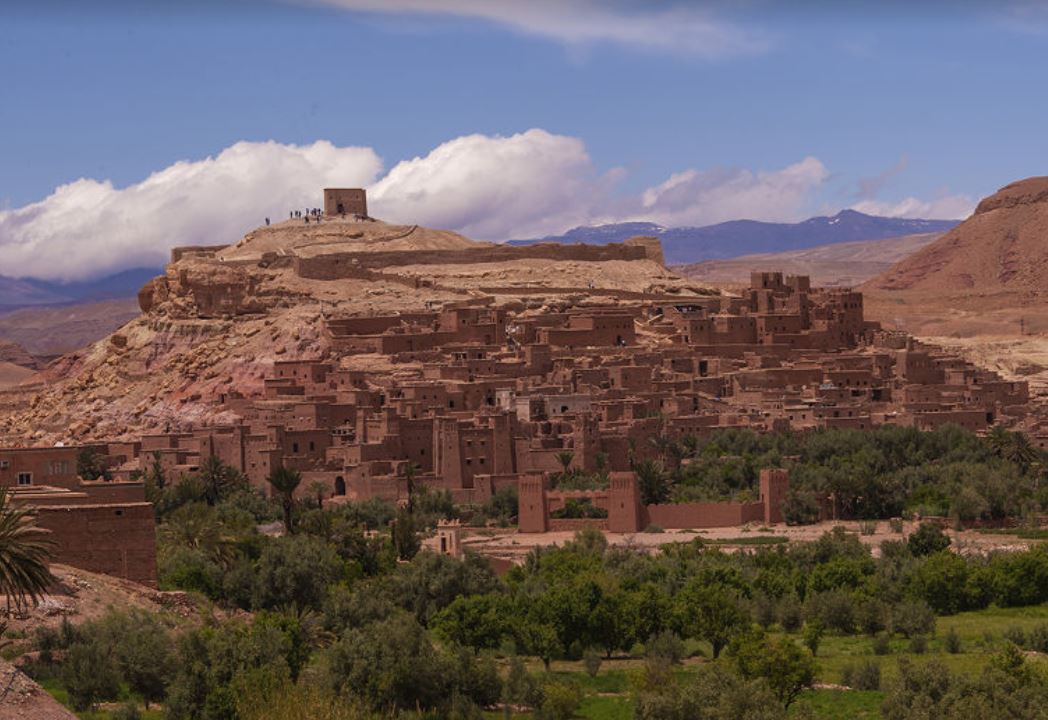
You know those epic desert scenes in Gladiator? The sweeping landscapes of Lawrence of Arabia? The exotic cities in Game of Thrones? They were all filmed right here. Ouarzazate has become Africa's unofficial film capital, and walking through the Atlas Film Studios feels like stepping between worlds.
During my first studio visit, I watched a guide pointing out where Russell Crowe stood for certain scenes, and where elaborate Egyptian temples were built for The Mummy. What strikes you isn't just the scale—it's realizing how this desert city has quietly shaped some of cinema's most memorable moments.
If you're a film buff, here's what you need to know: both Atlas Film Studios and CLA Studios offer guided tours. I'd recommend booking a guide rather than wandering solo. The guides share behind-the-scenes stories that transform empty sets into living history. You'll walk through recreated Tibetan monasteries, Egyptian palaces, and medieval villages—all within a few dusty hectares.
The Cinema Museum, tucked near Kasbah Taourirt, offers a more intimate look at Ouarzazate's film legacy. This converted studio houses costumes, equipment, and props from past productions. It's smaller than the main studios but feels more personal—like peeking into the city's private photo album.
Ancient Kasbahs That Tell Morocco's Story
Ait Ben Haddou: Where Time Stands Still
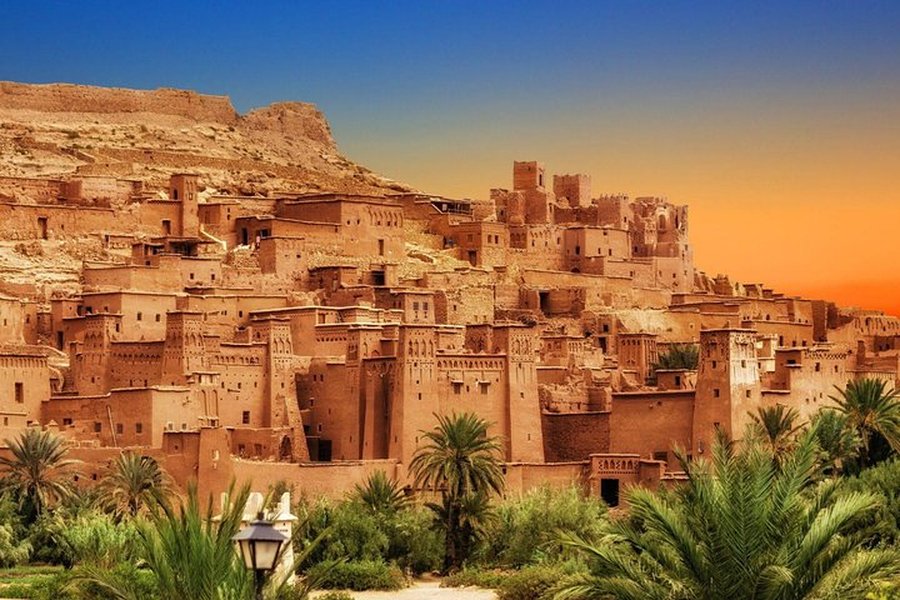
About 30 kilometers from Ouarzazate sits Ait Ben Haddou, and calling it "just another kasbah" would be like calling the Sahara "just some sand." This UNESCO World Heritage site is one of Morocco's most photographed locations, and once you see it, you'll understand why.
The ksar (fortified village) rises from the valley like something from a storybook—all earthen towers and narrow passages, built entirely from clay, straw, and stone. When I climbed to the top early one morning, the rising sun turned the walls from brown to gold to amber. The silence up there, broken only by bird calls, felt sacred.
Here's my practical advice: visit either at sunrise or late afternoon. The light transforms the kasbah into something magical, and you'll avoid the midday heat and tour bus crowds. Entry to the site itself is free, though some families living in the restored houses may ask for a small fee if you want to peek inside their homes.
Hiring a local guide costs around 50-100 dirhams and makes a huge difference. They'll show you hidden corners and explain how communities lived within these walls for centuries. The climb to the top takes about 20 minutes—wear good shoes, as the paths can be steep and uneven.
Kasbah Taourirt: Ouarzazate's Beating Heart
Right in Ouarzazate's center stands Kasbah Taourirt, once home to the powerful Glaoui family who controlled this region. Walking through its maze of rooms and courtyards, I kept thinking about the clever architecture—those tiny windows and thick walls aren't just aesthetic choices. They're brilliant passive cooling systems that keep interiors comfortable even when outside temperatures soar past 40°C.
The kasbah has been beautifully restored, showing off the intricate geometric patterns and painted ceilings that Moroccan craftsmen perfected over centuries. Take your time here. The craft shops and cafes scattered around the complex make it easy to spend a whole afternoon exploring.
Beyond the Obvious: Hidden Gems Near Ouarzazate

Fint Oasis: Your Secret Desert Garden
Here's something most tourists miss: Fint Oasis lies just 40 minutes from Ouarzazate, but it feels like entering another dimension. Four small villages nestle among thick palm groves, fed by springs that somehow survive in this arid landscape.
I stumbled upon Fint by accident after a local friend insisted I'd regret leaving without seeing it. He was right. The contrast between the barren hills and this pocket of green is almost surreal. Families here live much as their ancestors did—farming dates, tending gardens, following rhythms set by seasons rather than schedules.
There aren't official tour operations here, which is part of the charm. Just drive out, park respectfully, and wander the paths between palm trees. If you're lucky, locals might invite you for tea—accept, and bring a small gift as thanks.
Tizi n'Tichka Pass: The Journey Becomes the Destination
If you're driving between Marrakech and Ouarzazate (and I highly recommend making this journey rather than flying), the Tizi n'Tichka Pass rewards you with some of Morocco's most dramatic scenery. This mountain road winds through the High Atlas, climbing above 2,000 meters with hairpin turns revealing new vistas around every bend.
Stop at the roadside stands selling fossils and minerals. Even if you don't buy anything, chat with the vendors—many speak excellent English and love sharing stories about the mountains. Pack snacks and water, as good restaurants are scarce along this route.
Practical Travel Tips for Your Ouarzazate Visit
Getting There and Around
Ouarzazate has its own international airport just three kilometers from downtown, though flights are limited. Most travelers arrive by road—either by bus, grand taxi, or rental car from Marrakech.
The drive from Marrakech takes about four hours, and here's my honest opinion: rent a car if your budget allows. Public transport works fine, but having your own wheels gives you freedom to explore places like Fint Oasis or stop for photos along Tizi n'Tichka whenever you want.
Grand taxis (shared taxis) cost less but only leave when full—which could mean waiting an hour or more. Buses run on schedule but make multiple stops. For getting around Ouarzazate itself and visiting nearby sites, I'd suggest either renting a car or booking tours through local agencies.
When to Visit
Spring (March through May) and autumn (September through November) offer the sweet spot—comfortable temperatures, clear skies, and fewer crowds. I've visited in both seasons and can't pick a favorite.
Summer brings brutal heat. We're talking 45°C days that make even walking feel like work. If you must visit between June and August, plan activities for early morning and late afternoon, and embrace the siesta tradition.
Winter stays relatively warm and dry, though strong winds can kick up. Nights get surprisingly cold—pack layers.
Where to Stay
Ouarzazate has accommodation options ranging from budget guesthouses to upscale hotels. For authentic atmosphere, I'd recommend staying in a traditional riad or guesthouse. Many family-run places near Ait Ben Haddou offer incredible hospitality, home-cooked meals, and rooftop terraces perfect for watching sunset over the kasbahs.
Riad Dar Rita gets consistent praise for its sunny terrace and helpful staff—ideal if you're using public transport, as they'll help coordinate your travels. Dar Kamar brings historical character with modern comfort, including a hammam. Le Petit Riad charms guests with bold design and expansive valley views.
The Sustainable Side of Ouarzazate
Something that surprised me: Ouarzazate is leading Morocco's renewable energy revolution. The Noor solar power station, sprawling across the desert landscape just outside the city, ranks among the world's largest concentrated solar plants.
Seeing those reflective panels stretching toward the horizon creates an odd but hopeful contrast—ancient earthen kasbahs in the foreground, cutting-edge solar technology in the background. It's Morocco honoring its past while building its future.
What Makes This Ouarzazate Travel Guide Different
Most guides give you facts and move on. But understanding Ouarzazate means appreciating how everything connects—how its position between mountains and desert made it a crucial trading hub for centuries, how that strategic location attracted filmmakers searching for authentic backdrops, how the same landscape now hosts sustainable energy projects.
This city rewards slow travel. Instead of rushing from kasbah to studio to next destination, take time to sip mint tea in a local cafe, watch craftsmen at work in their workshops, or simply sit on a terrace watching light shift across the valley.
Your Ouarzazate Adventure Starts Here
Ouarzazate might not shout for attention like Marrakech or Fez, but that's exactly its appeal. This is Morocco for people who want to dig deeper, who find magic in ancient architecture and endless horizons, who appreciate places that reveal themselves slowly.
Whether you're here to explore film sets, wander through UNESCO-listed kasbahs, or use it as your launchpad into the Sahara, Ouarzazate offers something genuinely special. It's where Morocco's extraordinary past and innovative future coexist under that vast desert sky.