Ait Benhaddou: My Journey Through Morocco's Incredible Fortified Village

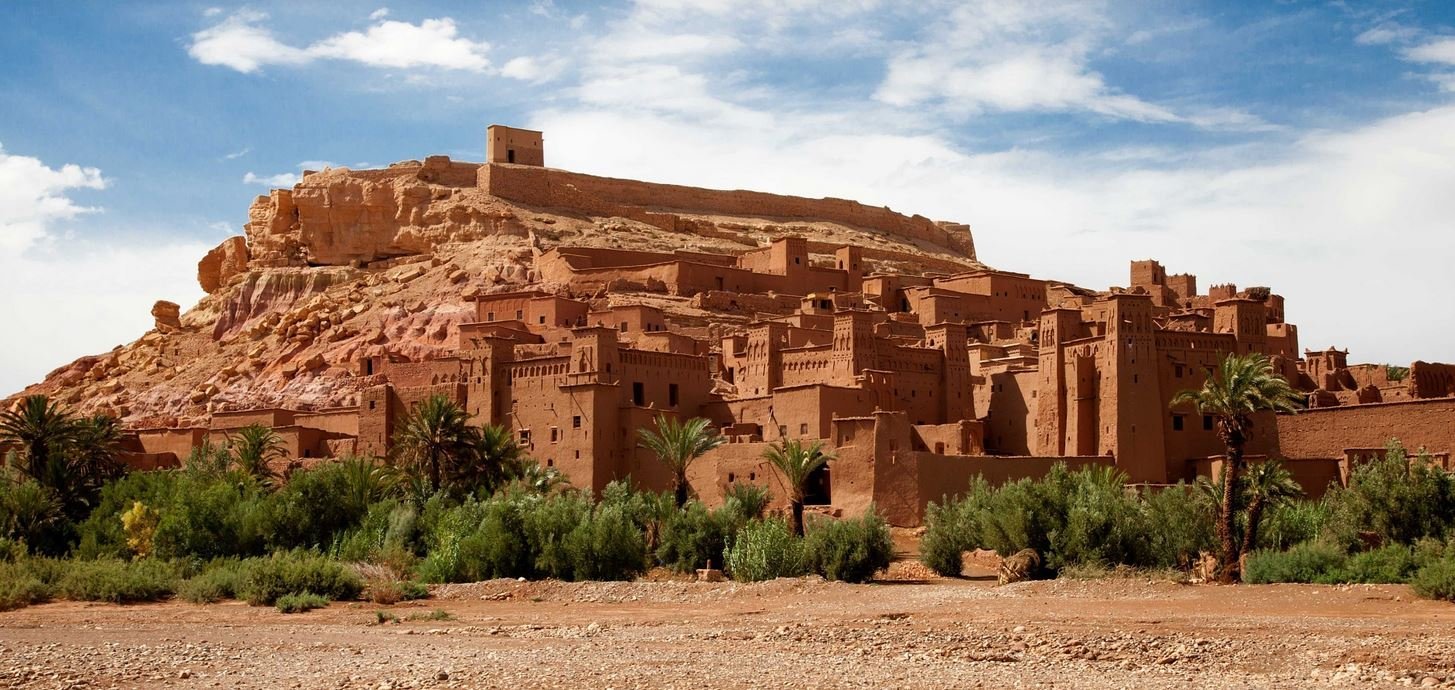
Have you ever wanted to walk through a movie set that’s actually a real, ancient village? That’s exactly what you’ll experience when visiting Ait Benhaddou, Morocco’s most famous fortified village. I still remember my first glimpse of this magnificent ksar (fortified village) rising from the dusty landscape – a breathtaking collection of earthen buildings that has stood the test of time for centuries.
Located in the foothills of the southern slopes of the High Atlas Mountains in the Ouarzazate province, this UNESCO World Heritage site has captured the imagination of filmmakers and travelers alike. From Gladiator to Game of Thrones, Ait Benhaddou’s distinctive silhouette has graced our screens many times – but nothing compares to seeing it with your own eyes.
Join me as I share my recent adventure to this incredible historic site, along with practical tips to help you plan your own visit to one of Morocco’s most unforgettable destinations.
How to Reach Ait Benhaddou from Marrakech
Getting to Ait Benhaddou is part of the adventure! I took the CTM bus from Marrakech to Ouarzazate, which took about four hours. The journey itself was spectacular – winding through the Atlas Mountains, passing traditional villages, and taking in the dramatic landscapes that make this region so special.
Travel Tip: The CTM bus is comfortable and reliable. Book your ticket a day in advance if possible, especially during high season.
From Ouarzazate, it’s another 30-minute drive to reach Ait Benhaddou. You can easily find a taxi for around 40 dirhams (about $4 USD). If you’re staying in accommodations nearby like I did, ask if they can arrange transportation for you.
The drive from Ouarzazate to Ait Benhaddou offers your first glimpse of this magnificent site. I remember holding my breath as it came into view – those distinctive red mud walls standing proudly against the blue Moroccan sky.
Where to Stay: Unique Accommodations Near Ait Benhaddou
I stayed at a guest house called “Tig Minou,” which means “my house” in Berber. What made this place special wasn’t just its proximity to Ait Benhaddou, but its authentic construction. Just like the historic ksar itself, these buildings are made of adobe clay, straw, and mud – traditional materials that have been used in this region for centuries.
The walls of my room had visible straw poking through the mud, and the ceiling featured wooden beams and bamboo supporting the roof. Despite its rustic appearance, it was surprisingly comfortable and naturally cool inside – a welcome relief from the Moroccan heat!
Accommodation Tip: For around 110 MAD (about $11 USD) per night including breakfast, you can experience staying in a traditional building. Many places also offer dinner for an additional cost.
The best part of staying near Ait Benhaddou rather than in Ouarzazate is waking up to incredible views. From the terrace of my guest house, I could see the rural landscape stretching out before me – palm trees, cacti, rocky terrain, and traditional buildings dotting the scene. There was even a small pool to cool off after a day of exploration!
Exploring Ait Benhaddou: A UNESCO World Heritage Treasure
The Perfect Time to Visit
Most locals will tell you the best times to visit Ait Benhaddou are early morning or late afternoon. This helps you avoid both the crowds and the intense midday heat. I arrived around 3 PM, which worked well, though going even later would let you catch the sunset over the village – something I’d definitely try next time!
Finding the Perfect Viewpoint
Before entering the ksar itself, I recommend finding the panoramic viewpoint. It gives you that postcard-perfect view of the entire fortified village with the shallow riverbed (often dry in summer) in the foreground and the mountains behind. It’s the ideal spot for photos and helps you appreciate the scale and design of this ancient marvel.
Entrance Fee and Preservation
While I initially thought entrance was free, there is actually a 20 dirham per person fee that goes toward restoration efforts. This seems more than fair considering the importance of preserving this historical treasure.
The ksar consists of five separate kasbahs (fortified dwellings), and the buildings require constant maintenance using traditional methods. As a UNESCO site, restoration must follow strict guidelines – only adobe clay, earth, straw, and wood are permitted. Modern materials like concrete or cement are forbidden, which helps maintain its authentic character but also means the structures need regular upkeep as they deteriorate from rain and other elements.
Inside the Ancient Walls
Walking through the narrow passages of Ait Benhaddou feels like stepping back in time. The village consists of tightly packed earthen buildings connected by winding alleyways that climb up the hill. As you ascend to the top, each level reveals more breathtaking views of the surrounding landscape.
One thing to note – it can get quite sandy and windy! I learned the hard way that sunglasses are a good idea to protect your eyes from the occasional gust that kicks up dust and sand.
Historical Significance of Ait Benhaddou
Ait Benhaddou wasn’t just built to look impressive – it served a crucial purpose along the caravan route between Marrakech and the Sahara Desert. Merchants transporting valuable goods like gold, silver, and spices would stop here during their months-long journeys.
The fortified village provided safety and essential services for these travelers, including:
- An inn for accommodation
- A granary for food storage
- A mosque for prayer
- A well for water
While people have lived in this location for centuries, the structures we see today mostly date back to the 17th century. It’s remarkable to think how many travelers have passed through these same gates over hundreds of years.
A Living Museum: Traditional Crafts in Ait Benhaddou
One of the highlights of my visit was watching local artisans at work. Inside the ksar, I discovered workshops where traditional techniques are still practiced.
I was particularly fascinated by the textile dyeing process. Local artists demonstrated how they create those vibrant colors that Morocco is famous for:
- Saffron for yellow hues
- Indigo for blues
These techniques have been passed down through generations, though one artist mentioned their particular method has been around for about 20 years. The results are stunning – beautifully colored fabrics that showcase Morocco’s rich artistic heritage.
Shopping Tip: Ait Benhaddou is an excellent place to purchase authentic Moroccan crafts directly from artisans. I found the shopkeepers here to be fair with their pricing and open to reasonable negotiation – much more so than in some of the busier tourist areas.
Ait Benhaddou on Screen: A Hollywood Star
It’s no wonder filmmakers have been drawn to Ait Benhaddou – its dramatic appearance provides the perfect backdrop for historical and fantasy productions. During my visit, I learned that it has appeared in numerous famous films and TV shows, including:
- Gladiator
- Game of Thrones
- Lawrence of Arabia
While I was there, preparations were underway for filming Gladiator 2. My guide shared that Denzel Washington would be starring in this sequel instead of Russell Crowe – exciting news for film buffs!
Walking through areas where these famous productions were filmed adds another layer of interest to the visit. For movie enthusiasts, it’s like walking through a piece of cinema history.
Practical Tips for Visiting Ait Benhaddou
Getting Around
There are multiple entry points to the ksar. I entered through one of the kasbahs, where I paid the entrance fee, but later discovered you can also cross via the bridge without paying (though I recommend contributing to the preservation efforts regardless).
If you visit during the dry season when the riverbed has no water, you can actually walk across it instead of using the bridge – a more adventurous approach!
Food Options
While there aren’t many restaurants inside the ksar itself, you’ll find a few cafés in the area. I noticed one run by a women’s cooperative, which is worth supporting if you have the chance.
If you’re staying at a nearby guest house like I did, many offer dinner options. My meal cost 190 dirhams per person and featured a delightful mix of Moroccan and French influences – from crunchy breaded turkey with perfectly seasoned potatoes to a creamy panna cotta dessert with almond crumble. Just remember to book dinner in advance!
Cultural Connections
One of the most rewarding aspects of visiting Ait Benhaddou is connecting with the local Berber people. I found them incredibly welcoming and eager to share their culture and history.
Try learning a few words in the Berber language – even a simple “thank you” (tan merita) goes a long way in showing respect for the local culture.
Best Time of Day to Photograph Ait Benhaddou
For photography enthusiasts, timing is everything when visiting Ait Benhaddou. The changing light throughout the day transforms the appearance of the ksar:
- Early Morning: Soft light with fewer tourists
- Midday: Harsh contrast but vivid colors
- Late Afternoon/Sunset: Golden light that makes the red clay buildings glow
- Blue Hour (just after sunset): Magical atmosphere as the lights come on in the village
I visited in the afternoon, which provided beautiful lighting for photos, but next time I’d definitely stay for sunset. Watching the golden light wash over those ancient walls as the sun dips behind the mountains must be truly magical.
Is Ait Benhaddou Worth Visiting?
Absolutely, without a doubt! Ait Benhaddou offers a perfect blend of history, culture, natural beauty, and architectural wonder. It’s one of those rare places where you can feel the weight of centuries while also enjoying a vibrant, living tradition.
What makes it special isn’t just its impressive appearance or Hollywood connections, but the authentic glimpse it offers into Morocco’s past. Walking the same paths that traders traveled for centuries connects you to a rich history that’s increasingly rare to experience in our modern world.
For me, standing at the top of Ait Benhaddou with the wind in my hair, looking out over the stunning landscape, was one of the highlights of my Moroccan adventure. It’s a memory I’ll treasure forever.
Frequently Asked Questions About Ait Benhaddou
Enter your textHave you visited Ait Benhaddou or are you planning a trip to Morocco? I’d love to hear about your experiences or answer any questions you might have! Drop a comment below or share your own photos from this incredible fortified village. here…


